

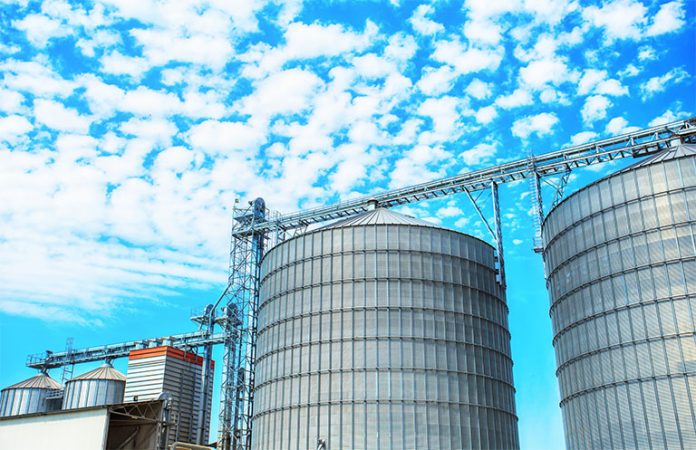
West Lafayette, IN – Five agricultural dust explosions were recorded in 2016 – the lowest overall number in 10 years – but three workers lost their lives, according to a recently released annual report from Purdue University.
The fatalities were the first recorded since 2013.
Data compiled by researchers in the university’s Department of Agricultural and Biological Engineering shows that the incidents took place at one feed mill, two grain mills and two grain elevators. Grain dust was the source of fuel in three of the explosions; fuel source was unknown in the other two. Overheating was identified as an ignition source in two cases and a spark in one case, and in two cases the ignition source was unknown.
“The two most important factors in preventing an explosion are keeping the facilities clean and the equipment in good working condition,” Kingsly Ambrose, assistant professor of agricultural and biological engineering at Purdue, said in a press release. “If the facility is clean, then the amount of potential fuel is minimized. If the equipment is in good working condition, there is less chance of ignition.”
Regular equipment maintenance is important in the prevention of fires and explosions, the release stated.
“We can be happy that the number of explosions is down, but it’s important to stay vigilant,” Ambrose said. “I always tell people to keep their eyes, nose and ears open – if you see something strange, hear an odd noise or smell something unusual, then that’s the time to shut down and check all the equipment. It’s not about completing a one-day maintenance and thinking you’re done for the year. It’s a constant, ongoing process.”