
Arlington, VA — The Mine Safety and Health Administration recently released its annual safety alert spotlighting hazards unique to the mining industry during winter.
The risk of explosion increases during cold weather because lower barometric pressure helps methane move more easily throughout the mine atmosphere, MSHA states. In addition, dry air conditions underground can keep coal dust in the atmosphere, potentially contributing to an explosion.
MSHA stresses mine examinations as “the first line of defense” underground. Procedures should include:
- Checking for methane
- Knowing the ventilation plan and maintaining controls
- Repeatedly applying rock dust to prevent explosions
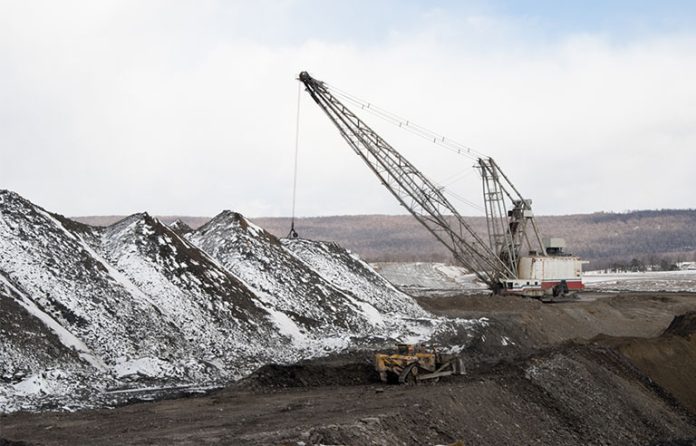
Other winter-related hazards include limited visibility, slippery walkways, and freezing and thawing highwalls. MSHA recommends:
- Checking highwalls and benches for stability
- Checking vehicles for exhaust leaks and consider limiting engine idle time
- Removing snow and ice from roadways and using sand to improve traction
“The cold winter months bring an increased risk of underground coal mine explosions, as well as an increase in hazards associated with ice and snow that collect at surface facilities and preparation plants,” MSHA administrator David Zatezalo said in a Dec. 5 press release. “During the Winter Alert campaign, MSHA personnel will work to ensure miners and mine operators have information to maintain safe and healthful working conditions.”
MSHA personnel will travel to mines from December through March to help bring awareness to the issue while sharing resources about best practices.