
West Lafayette, IN — Researchers at Purdue University have outlined recommendations for enhancing the safety of a popular method for repairing water pipes that may release hazardous chemicals into the air, as part of a recent study on rehabilitating damaged drainage culverts.
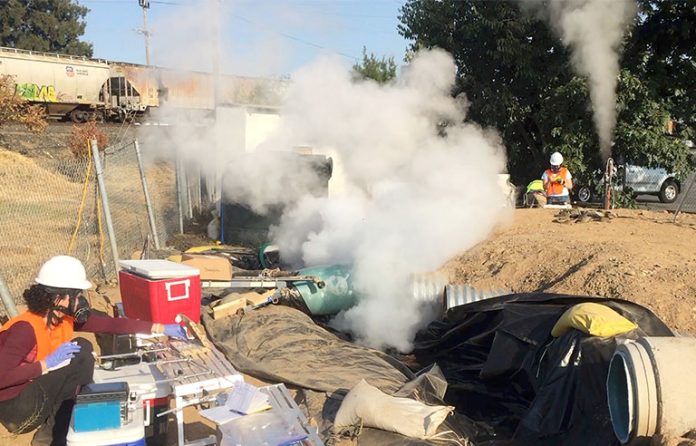
The cured-in-place pipe repair method, or CIPP, involves inserting a resin-impregnated fabric tube into a damaged pipe and curing it with hot water, pressurized steam or ultraviolet light to create a new plastic pipe. A Purdue study published in July 2017 contradicted existing assumptions about the technology’s safety, stating that chemical plumes once thought to be steam actually contained organic vapors and compounds – including some known carcinogens and endocrine disruptors.
According to the National Environmental Health Association, CIPP is used for about half of water pipe repairs nationwide.
Led by Andrew Whelton, an assistant professor of engineering at Purdue, the new study includes recommendations for CIPP procedures based on field testing, an analysis of literature reviews and a survey of 32 state transportation agencies. The researchers suggest any organization or agency involved in CIPP operations or overseeing projects:
- Request a free health hazard evaluation from NIOSH that includes a set of representative CIPP projects. “This activity enables NIOSH to conduct confidential worksite monitoring to determine if any upgrades in practices are needed to protect workers.”
- Upgrade existing outdoor CIPP manufacture construction practices.
- Require emission capture and confirmation of capture via monitoring.
- Provide additional oversight “that includes well-trained environmental monitoring and industrial hygiene professionals to CIPP worksites.”
Further, the study examines the spray-on lining pipe repair method, which also involves the creation of a new plastic liner outdoors.
“These technologies can likely be used without endangering human health or the environment if appropriate controls were implemented,” Whelton said in a Nov. 22 press release. “Now there’s independent evidence which controls are necessary.”
The study was published Oct. 31 and appears online as part of the Purdue University Joint Transportation Research Program.