

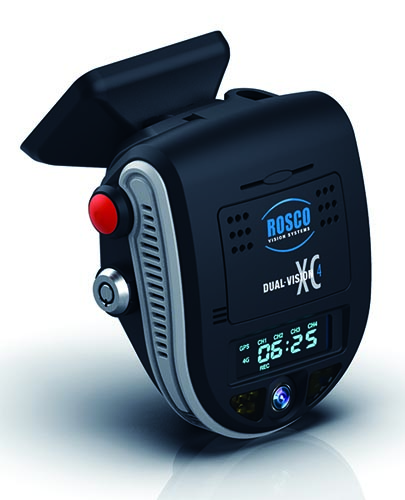
Responding is Amy Ahn-You, senior manager of marketing and digital engagement, and Jim Fecile, national sales manager of truck and off-road vehicles, Rosco Inc., Jamaica, NY.
Existing and emerging technologies are important tools for fleet owners and managers to operate efficiently. Investments into these technologies can help keep drivers safe on the road and fleets in compliance with federal laws and regulations.
When introducing technologies to fleet operators, include essential staff before, during and after the onboarding process. Get everyone’s attention and keep them engaged. From standard backup cameras to advanced collision avoidance systems, new implementations won’t be effective if operators aren’t properly trained or comfortable with the technology.
Often, in-cab recorders are viewed negatively by drivers, who have the sense that they’re being watched. This can create a stigma around the devices, which are meant to help operators and fleets. These types of misconceptions are why managers should train employees before adoption and highlight the benefits these advancements bring to the fleet and the individual.
Involve the organization from the start
Change is inevitable, but it can also be hard to accept. It’s important to have proper introduction and onboarding phases with all employees to ensure the message is of safety – not blame. Pre-training and preparations for a new in-cab camera allow managers to address concerns voiced by operators and debunk misconceptions before implementation.
Highlight the benefits: Here to help
In-cab recording technology is meant to protect fleets and operators. Cameras are installed to keep drivers accountable and compliant and, more importantly, can exonerate and keep drivers safer on the road. Today’s camera technology includes safety features such as speed limit, lane-departure and forward-collision warnings.
A common goal
Everyone’s goal should be the same: a safe work environment. Large vehicle operators are responsible for the safety of themselves and others inside and around the vehicle. Fleet managers can best equip operators with proper technology and training. Adopted technology is only as effective as the training given to the user. Make sure drivers know how the technology works, why it was put in place and how it can help.
Acknowledge the good
It’s easy to identify “bad” or distracted driving behavior with cameras, but those same cameras can highlight “good” behavior as well. Most in-cab cameras include software or a telematics platform for video review and data management. With the collected information, fleet managers can access reports that include “safest drivers” and “fewest events.” Acknowledging the best or safest drivers with a reward system gives operators a goal to reach.
Editor's note: This article represents the independent views of the author and should not be construed as a National Safety Council endorsement.