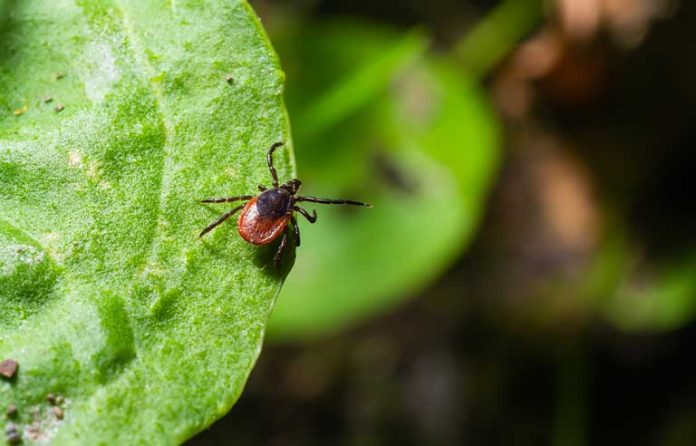
The rate of the tick-borne parasitic disease babesiosis increased an average of 9% annually over a recent seven-year period in the United States, according to a new study.
Also known as “American malaria,” babesiosis is transmitted by blacklegged ticks – commonly called deer ticks and found in the Northeast and Midwest. Like malaria, babesiosis infects red blood cells and can cause similar flu-like symptoms. The Centers for Disease Control and Prevention says the disease can be deadly for older adults and people with certain health conditions, such as a weakened immune system.
Researchers from Penn State Health Milton S. Hershey Medical Center and the Pennsylvania State University College of Medicine used data for more than 250 million people in the United States and identified more than 3,500 who were infected with babesiosis between October 2015 and December 2022.
Most of the cases occurred during the summer months and were reported in the Northeast. More than 2 out of 5 of the patients infected (42%) had a least one other tick-borne disease, such as Lyme disease. That’s a higher rate than discovered in previous studies, according to a PSU press release.
To help avoid tick bites, the researchers say to:
- Be vigilant, especially during the summer months.
- Wear long-sleeved shirts and pants, and light-colored clothes.
- Use tick repellent.
- Check for ticks after spending time outdoors.
The study was published in the journal Open Forum Infectious Diseases.