Ann Arbor, MI — Researchers from the University of Michigan are working to establish “return-to-performance” protocols for performing artists who sustain a concussion.
As a doctoral student at U-M, Allyssa Memmini observed that although students have return-to-learn protocols and athletes have return-to-sport protocols, no comparable guidelines exist for student performers – even though they often encounter similar physical and cognitive post-concussion challenges.
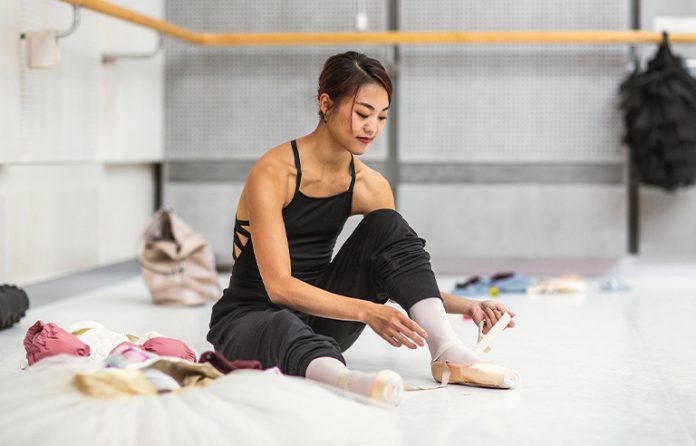
Performing artists are exposed to environments that can be sensory heavy, with bright stage lights, loud music and fast movements. These factors can lead to a prolonged recovery and a potentially unsafe return to performance.
The researchers used the Delphi study method to gather opinions and feedback from a diverse group of faculty members, past students with concussions, researchers, academic counselors and others. Memmini is collecting the learnings to inform “return-to-performance” protocols for performing artists.
Memmini, who is now a faculty member at the University of New Mexico, says rest is a key factor. However, performing artists who choose to rest can lose their role/position in a performance or experience financial hardship if a scholarship is tied to academic standing. This can contribute to artists failing to report a concussion and performing through an injury.
Memmini and her colleagues are “working closely with other institutions across the state and nationally to achieve their goal of widespread adoption of these protocols and future initiatives across universities, seeking to establish a new industry standard,” a U-M press release states.
In 2018, Ohio University researchers reported that 70% of theater workers who sustained hits to the head continued to work after the incidents. Their study also revealed that 67% of respondents experienced at least one impact to the head during their work, and 39% reported having more than five head injuries.