Gloves are often the first thing most people think of when it comes to winter-specific personal protective equipment – and for good reason. Cold hands quickly lose dexterity, slowing down work and raising safety risks. But the rest of the body is just as vulnerable. Even in moderate winter conditions, heat escapes quickly from exposed areas like the head, neck and ears. That loss doesn’t just make workers feel chilly, it reduces focus and efficiency. As temperatures drop further into sub-zero territory, that risk escalates to frostbite or hypothermia.
In this article, we’ll look at PPE protection beyond safety gloves and apparel that shields workers from cold hazards.
Key apparel for winter protection
Cold stress isn’t just uncomfortable – it’s a safety hazard. Numbness, reduced circulation, and slower reaction times weaken grip strength and delay decision-making. For workers climbing scaffolding, handling power tools or operating near moving equipment, those delays can be the difference between a near miss and an incident.
The good news: The right PPE closes those gaps, keeping workers warm, safe and focused – even in harsh wintertime conditions.
To fully protect workers, winter gear should be treated as a system – not an afterthought. Beyond gloves, key essentials include:
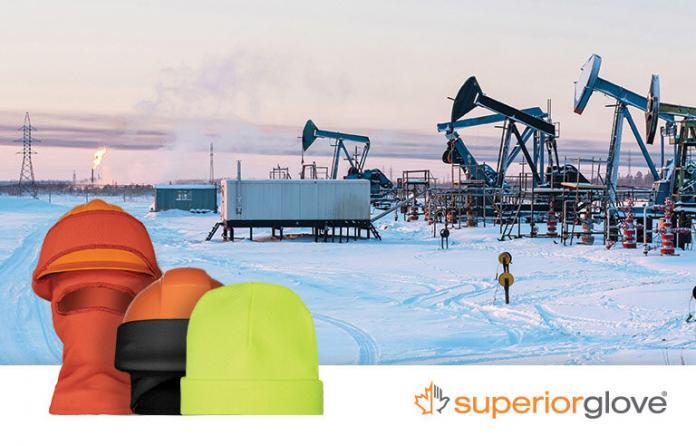
Neck gaiters and balaclavas: Insulate the neck, face and head to help workers retain heat where it’s most easily lost. They’re slim enough to fit under hard hats and breathable for all-day comfort.
Hard hat liners and ear covers: Standard hard hats don’t protect against cold. Thermal liners and ear covers integrate seamlessly, protecting ears and the scalp from frostbite without compromising compliance.
Layered apparel: Industrial-grade jackets, vests and thermal base layers balance warmth with mobility. A layered system lets workers adapt to changing conditions without unnecessary bulk.
High-visibility winter gear: With fewer daylight hours and reduced visibility, high-visibility outerwear is critical. Reflective striping on jackets or pants help workers remain visible in low-light conditions.
Used together, these essentials complement safety gloves and help close the gaps in winter protection, reducing both discomfort and cold-related risks.
Industries that rely on winter PPE
While winter protection is valuable across any outdoor or cold-exposed job, some industries face higher risks and tougher conditions.
Construction and infrastructure: Crews working at height or on open sites are exposed to wind, snow and freezing rain, making head and neck protection critical.
Utilities and energy: Lineworkers and field technicians spend long hours outdoors in extreme conditions, where cold stress can compromise safety and response times.
Oil and gas: Remote and offshore environments expose workers to prolonged cold, wet and windy conditions, demanding layered and insulated PPE.
Transportation and logistics: Drivers, loaders and dock workers move between warm and freezing environments throughout the day, requiring adaptable gear.
Mining and resource extraction: Both underground and surface operations expose workers to cold, damp and low-visibility conditions where protective apparel is vital.
Agriculture and forestry: Long outdoor shifts in harsh weather call for PPE that delivers warmth and mobility for physically demanding tasks.
Benefits of comprehensive protection
Relying on gloves alone can leave critical gaps in protection. A comprehensive approach to winter PPE ensures workers stay protected across all vulnerable zones, not just the ones most obvious.
Effective winter PPE isn’t about adding bulk – it’s about smart designs that combine warmth, comfort and compatibility with existing safety equipment to encourage consistent use. And consistency is what drives both compliance and real protection, so choose winter protection that helps your workers stay safe, focused and productive on the job.