

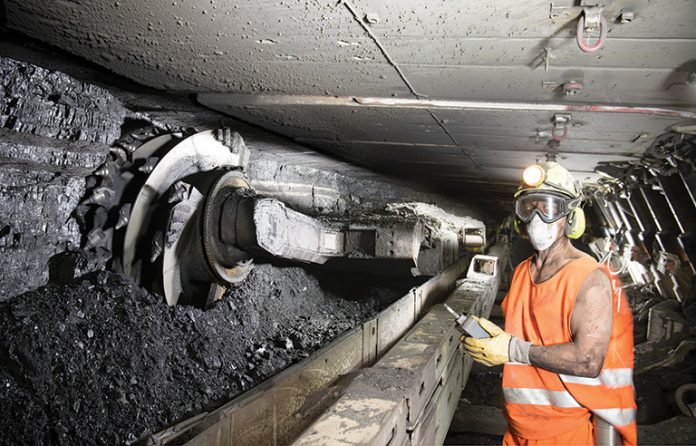
In recent years, cases of black lung
have surged among coal miners.
Every year, about 1,000 miners die
from it, according to the Mine Safety
and Health Administration.
Also known as coal workers’ pneumoconiosis,
black lung is a “job-related
disease caused by continued
exposure to excessive amounts of
respirable coal mine dust,” NIOSH
says. “This dust becomes imbedded
in the lungs, causing them to harden,
making breathing very difficult.”
Miners may not show symptoms
during the early stages of the disease,
but those in the later stages of
black lung – which is referred to as
progressive massive fibrosis – may
experience:
- Shortness of breath
- Coughing
- Painful breathing
To determine if a miner has black
lung, they’ll need an X-ray and pulmonary
function tests. Your employer
can help: “Every operator of an underground
coal mine is required to have
an X-ray plan approved by NIOSH,” the
agency says. “If an X-ray shows that you
have black lung, you will be notified by
the Mine Safety and
Health Administration
of the results, and
of the right to work in
a low-dust area under
the requirements of 30
CFR Part 90.”
To help reduce the
risk of developing this
condition, NIOSH recommends
miners:
- Become familiar with
the dust control provisions
in your mine’s
ventilation plan. - Use controls such as scrubbers and
dry dust collectors. - Wear respiratory protection when
necessary. - Ensure a respirable dust control
on-shift examination is
conducted at underground coal
mines.

