

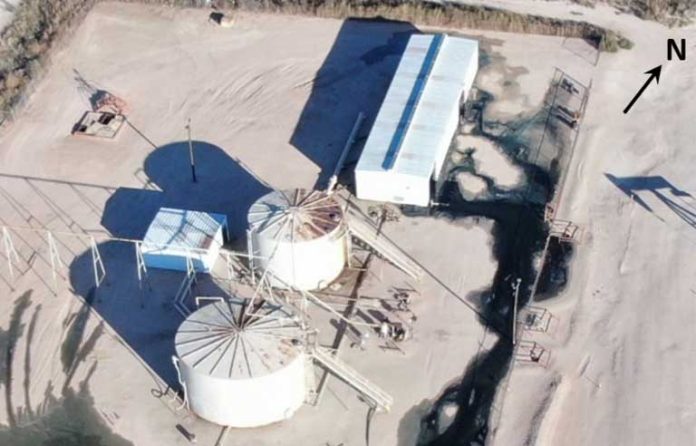
Washington — OSHA is warning employers and workers about the risk of hydrogen sulfide poisoning in the agency’s latest edition of Fatal Facts.
The resource details the Chemical Safety Board’s investigation into the October 2019 hydrogen sulfide release at the Aghorn Operating Waterflood Station in Odessa, TX. During the incident, a worker responded to an alarm from a water pump, which was part of the process of extracting natural gas and crude oil. The worker was alone in the pump house when he tried to close process valves to isolate the pump.
“Either before the worker’s arrival or during his work, the pump unexpectedly energized, releasing water containing H2S gas into the pump house,” the newsletter states. “The H2S concentration reached fatal levels, killing the worker.”
OSHA offers likely causes for the incident and lists steps to prevent future incidents. Recommendations include:
- Mandate the use of personal hydrogen sulfide detection devices as an integral part of every employee or visitor personal protective equipment kit before entering the vicinity of the facility.
- Ensure detector use is in accordance with manufacturer specifications.
- Commission an independent and comprehensive analysis of each facility’s ventilation design and mitigation systems to ensure workers are protected from exposure to toxic gas.
- Ensure the hydrogen sulfide detection and alarm systems are properly maintained and configured, and develop site-specific detection and alarm programs and associated procedures based on manufacturer specifications, current codes, standards and industry good practice guidance.

