

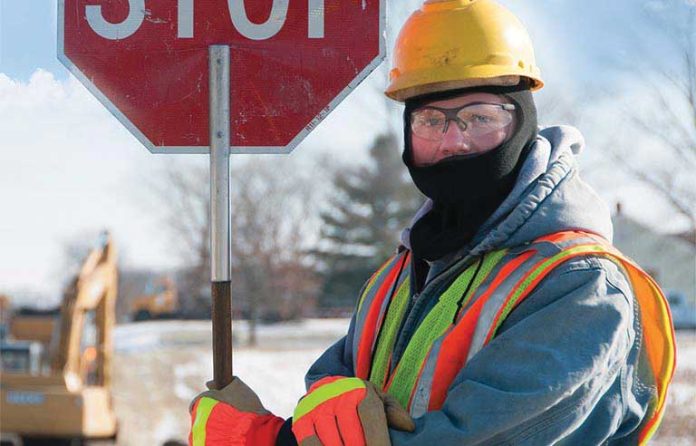
A thorough workplace safety and health plan should include steps to protect workers from cold-related hazards. This is particularly important for workers in the services, transportation, construction and agriculture industries.
“Exposure to cold can be an uncomfortable and potentially dangerous situation,” says NIOSH, which offers recommendations for both employers and workers.
Employers should:
- Digital Partners -
- Train supervisors and workers to prevent, recognize and treat cold-related illnesses and injuries. This training should be presented in a language all workers understand.
- Reduce the amount of time workers spend in a cold environment. Rotate workers in and out on long, demanding jobs.
- Provide access to warm areas, and encourage workers to take breaks in those areas. Also, set up a place for workers to change out of wet clothes.
- Initiate a buddy system for workers to help monitor them in cold conditions.
- Keep a first aid kit stocked, and make sure to include a medical and environmental thermometer as well as chemical heat packs.
- Provide appropriate cold-weather gear such as hats, gloves and boots for work in cold environments. Don’t forget wind-protective clothing based on air velocities.
- Give prompt medical attention to workers who show signs of cold-related illness or injury.
Workers can help by:
- Taking regular breaks to warm up.
- Monitoring your physical condition and that of co-workers.
- Staying hydrated.
- Snacking on high-carbohydrate foods.
- Avoiding touching cold metal or wet surfaces with bare skin.

