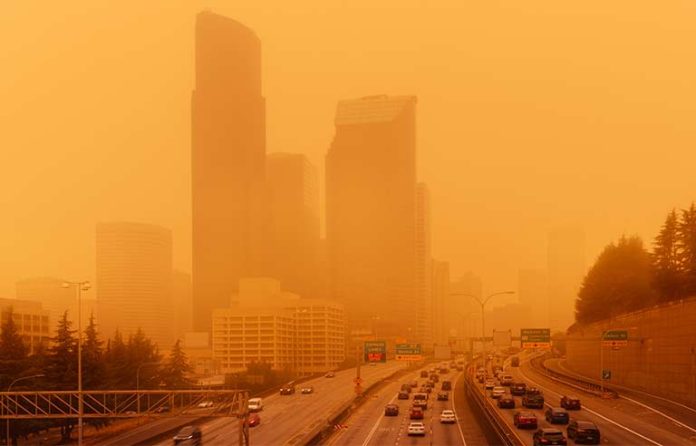
Washington — As smoke from U.S. and Canadian wildfires affects air quality throughout much of the United States, NIOSH says employers and workers can team up to limit exposure to this “major health hazard.”
In a recently published resource, NIOSH cautions that workers “may be exposed to varying types and amounts of compounds in wildland fire smoke.” Although noting that the effects of long-term, repeated exposure to such smoke aren’t fully known, the agency encourages employers to be mindful of the adverse health effects that are understood or suspected to be caused by exposure to wildfire smoke:
- Symptoms such as eye irritation, sore throat, wheezing and coughing
- Asthma and chronic obstructive pulmonary disease (COPD) exacerbations
- Bronchitis and pneumonia
- Adverse birth outcomes
- Heart and blood vessel outcomes
NIOSH offers strategies to reduce smoke exposure during outdoor work:
- Frequently monitor local air quality and fire conditions via the Environmental Protection Agency or state health department websites.
- Relocate or reschedule work to smoke-free or less smoky areas or times of day.
- Reduce levels of physical activity when possible, especially strenuous and heavy work.
- Take frequent breaks in smoke-free areas.
- If possible, move work duties indoors or to areas with limited exposure.
For indoor work, the agency recommends lowering exposure by:
- Installing air cleaners equipped with a HEPA filter or electrostatic precipitators.
- Closing windows and other building openings such as loading docks.
- Using the recirculate setting when operating heating, ventilation and air conditioning systems or temporarily reduce outdoor air supply.
- Installing the highest efficiency filters recommended by the HVAC system designer or manufacturer.
The resource also includes guidance on respirators, which “may be one of the easiest, and in some cases the only, control” available. Take frequent breaks and stay hydrated when using respirators, especially in hot conditions or during active work.
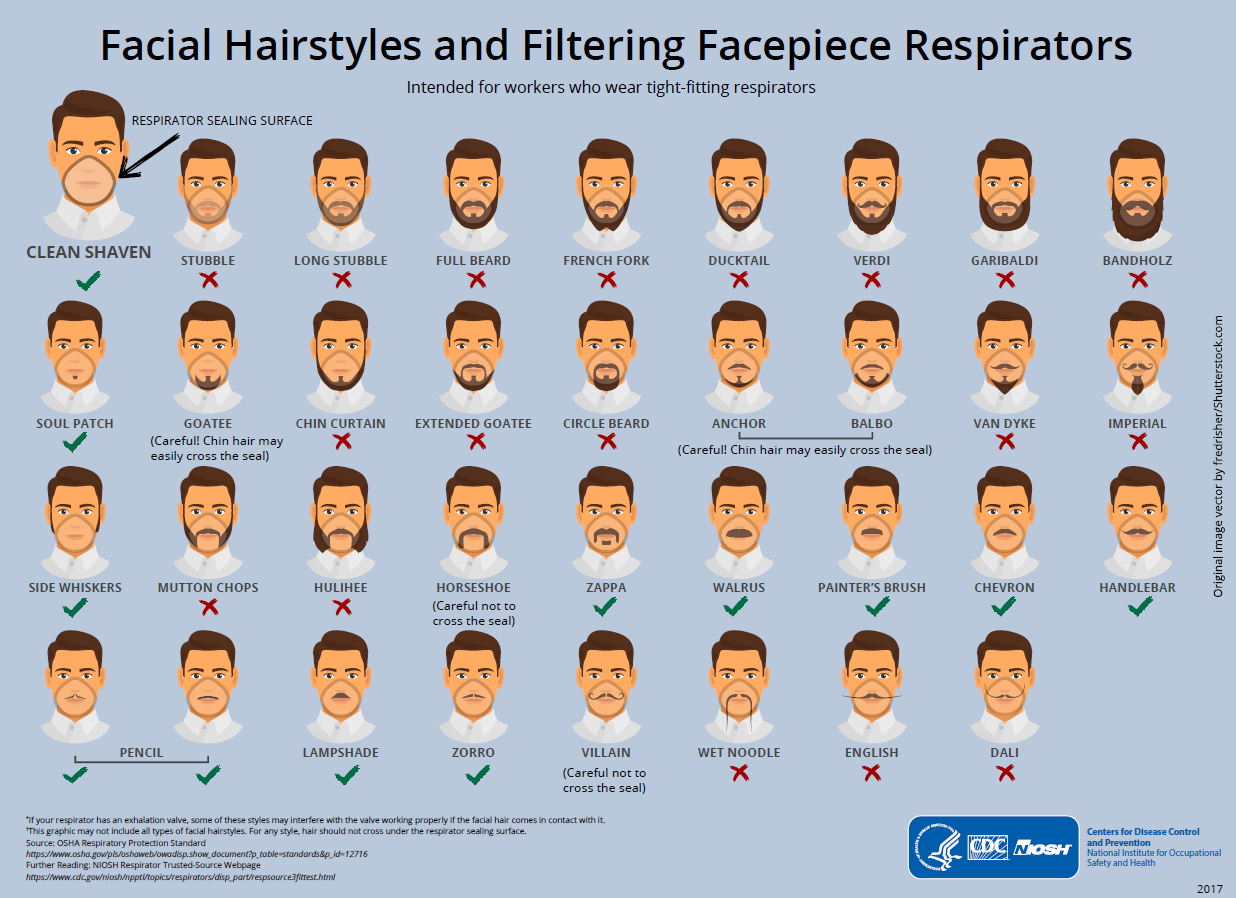
Filtering facepiece respirators don’t protect against gases such as carbon monoxide, NIOSH cautions. Additionally, individuals with facial hair that interferes with the face seal shouldn’t use tight-fitting respirators.
“Employers and workers should prepare for and plan to implement procedures to reduce exposures to smoke when necessary,” NIOSH says.