New York — Managers can help ensure workers with autism feel accommodated by communicating clearly, listening and showing empathy, a recent report suggests.
To one expert, these “very simple, low-lift” strategies can apply across an organization as well.
“Any types of adjustments you may make in an attempt to become more neuroinclusive really are steps that are just going to embolden and empower the entire workforce,” Abigayle Jayroe told Safety+Health magazine.
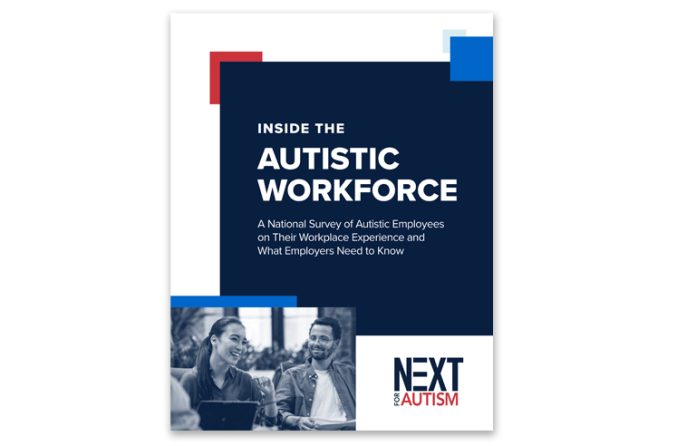
Jayroe is senior vice president of strategic operations at NEXT for AUTISM, a nonprofit advocacy group. In partnership with global research firm Sago, the organization surveyed more than 400 currently or recently employed U.S. adults with autism. The results indicate that respondents believed their relationship with their manager had the greatest effect on their daily work experience.
Managers who built mutual trust with workers – whether workers disclosed their intellectual disability or not – often experienced a workplace culture with stronger psychological safety. The workers were less likely to mask their autism, and the safety and understanding that resulted allowed them to feel more comfortable.
“When a manager is transparent and vulnerable with their employees, it opens up the door for the employee to come to them,” Jayroe said. “It’s a reciprocal relationship.”
Jayroe encourages managers to view their position as that of a “barrier remover.” Check in with employees about how they work best. Ask open, conversational questions such as, “What’s working?”, “What’s not working?” and “Where can I support you?”
For some employees, accommodation may be as basic as sending an agenda before a meeting to allow for mental preparation or setting milestones within a larger task to make the job seem more manageable.
Still, a gap exists because workers with autism face a complicated decision to disclose diagnoses. The report shows that 49% of the respondents disclosed their diagnosis to a manager or supervisor, with 41% indicating that they felt safe being open. Thirty-one percent cited trust in their manager as an influence on disclosure.
Although workers with autism aren’t legally obligated to inform a supervisor or human resources, they can’t receive reasonable accommodation under the Americans with Disabilities Act if they don’t report their diagnosis.
The report shows that 31% of the workers weren’t familiar with legal rights to reasonable accommodation, while 40% weren’t aware of what supports are available without disclosure.
Jayroe said the disclosure rate that NEXT for AUTISM found in its report was a pleasant surprise, as it trended higher than previous research.
One possible catalyst? Workers’ growing sense of trust and understanding among managers. Nearly 4 out of 5 (79%) said they feel their manager trusts them. Additionally, 69% agreed that their manager understands and respects their way of working, while 61% feel management understands their autism.
By building and maintaining trust and a culture of psychological safety, employers can help workers feel comfortable on the job. This allows them to focus their energy on work, not suppressing themselves or their conditions, Jayroe suggests.
“Just having clear communication and meeting each employee where they are is really the baseline of it, and it’s as simple as that,” she said. “Which maybe is not pizzazz-worthy, but the good news is, it’s pretty easy if you’re willing to do it.”