Pre-COVID-19 pandemic work life may not return as quickly for employees in customer-facing industries. As some experts see it, the immediate future for workers in grocery, retail, hospitality and similar sectors still includes the risk of stress and anxiety stemming from interactions with angry or aggressive customers.
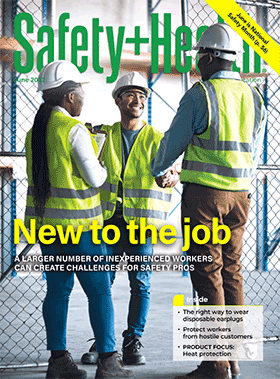
As employers struggle to fill open positions, many are turning to inexperienced workers. This presents an added challenge for safety professionals: a larger number of workers who aren’t familiar with the risks and hazards related to their new role.
“Even if we know that a certain safe behavior is expected – or even required – of us, the consequences are the most important influence on future behavior,” says Erika Gwilt of DEKRA.
Journal of Safety Research contributors talk about their work. This month: Researcher Cassandra Madigan talks about how safety professionals influence managers in their organizations.
June is National Safety Month. First announced in 1996, the annual observance encourages everyone “to help keep each other safe, from the workplace to anyplace.”
Does your job require you to stand for long periods? Or maybe you spend hours lifting and pushing heavy materials. Perhaps you’re in an office environment and sit at a desk for hours while typing on a computer most of the day. These situations are all considered risk factors for musculoskeletal disorders.
Alcohol, cannabis, prescription drugs, fatigue and mental distress can all cause impairment in the workplace. “Impairment risks are everyone’s responsibility,” the National Safety Council says.
“Whether it’s walking the factory floor, taking a stroll outside during a break or getting from one meeting to another, we’re on our feet at least part of the day,” the National Safety Council says. “With all of that foot traffic, there’s always the potential for a fall.”
A new foot safety hazards checklist from Red Wing covers specific sources of foot injuries – with some more obvious than others. From slippery floors and automatic closing doors to uneven surfaces and puncture hazards, the list takes a proactive approach to avoiding foot-related injuries and keeping your business running safely.
Download this white paper from Soter Analytics to learn how wearable technologies can automate ergonomic training processes, motivate workers and drive down injury rates as much as 55%.
One of the most effective ways to deal with this challenge is to develop a strong and effective contractor qualification framework. Download this free white paper to learn how.
This newly updated white paper includes valuable safety and compliance tips from J. J. Keller experts on important forklift topics such as equipment design, modifications/additions, operator training and more.