While growing up and working in the cattle industry, I was exposed to several safety topics. From machine guarding and operating and working around dangerous equipment, to practicing respect when working around large animals, I learned to always be safe and expect the unexpected.
However, my introduction to the safety profession came when I began as a student worker with the Department of Environmental Health and Safety at Oklahoma State University. Although I grew up with people telling me how to be safe, I never thought of safety as a profession until then.
Upon completion of my bachelor’s degree in animal science, I moved to a different department on campus that involved caring for animals used for research purposes. It was during this work that I realized many principal investigators are overly focused on their research project and how to protect an animal from outside interference or the integrity of the research project. They don’t factor in the employee/animal caretaker side of things.
Spending time under these circumstances led me to be even more safety conscious and speak up when I observed or experienced something that was unsafe. When a full-time position with the laboratory safety team in the OSU EHS department opened, I applied and made the transition. Since moving back to this department, I’ve expanded my knowledge and am now a certified chemical hygiene officer, creating relationships with researchers on campus to help educate and make the university a safer place to work.
I feel that it’s important to advocate for those workers in the laboratory setting to not only look at the hazardous procedures they’re conducting, but to remind them that they need to factor in safety with their research project. Education is a big part of my job; some lab workers don’t completely comprehend the dangers of the hazardous materials that they’re working with and need a little guidance. Some investigators don’t realize what regulations their research project falls under and need education and assistance to be in compliance.
Today, I’m still actively involved in agriculture. My husband and I run a 110-head cow calf operation, produce our own hay on 180 acres, and farm wheat and soybeans on 900 acres. As farmers, we always strive to be good stewards of the land, playing our part to improve land quality and conserve resources for the next generation. Through our cow calf operation, we produce safe, wholesome and nutritious beef for the consumer. I can say that not only am I helping to feed the world but, as a safety pro, I’m helping research to flourish safely at OSU. What impact have you made today?
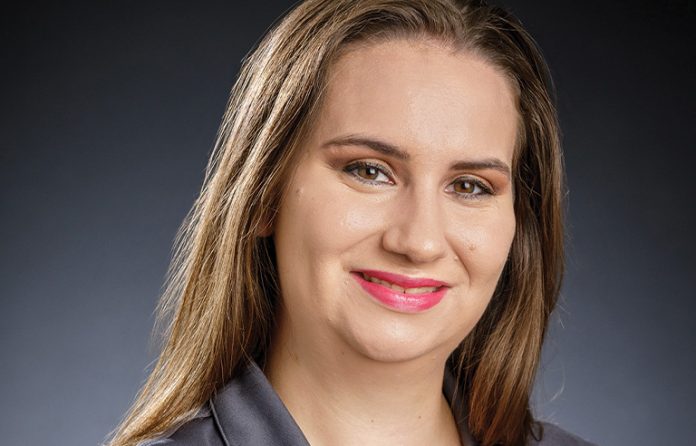
Shanda Judge
CHO
Environmental, health and safety
Oklahoma State University