
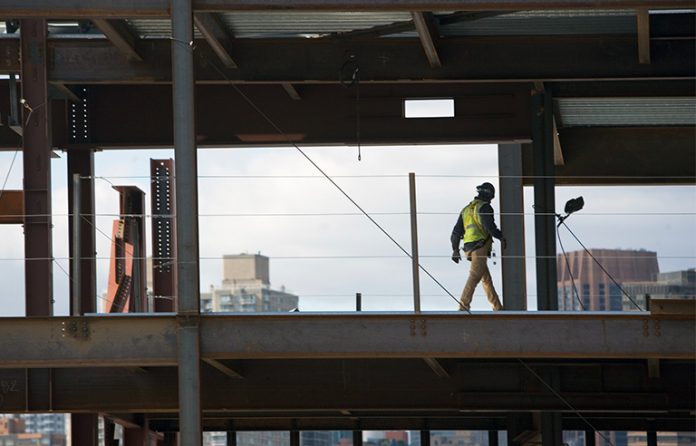
New York — The number of construction workers killed in New York state fell nearly 26% in 2024 from a 10-year high the year before, according to a recent report.
For its annual Deadly Skyline report, the New York Committee for Occupational Safety and Health gathered data from multiple sources, including the New York State Department of Labor, New York City Department of Health and NYC Department of Buildings. It found that 55 construction workers in the state died on the job in 2024 – down from 74 in 2023, but “still high among totals recorded over the past decade.” In NYC, 19 construction workers died – down from 30 in 2023, the highest single-year total in the city in the decade covered by the report.
Still, the fatality rate in construction remained significantly higher than in other industries. In NYC, the fatality rate was 9.4 deaths per 100,000 workers (compared with 1.5 for all industries); statewide, it was 8.9 (compared with 2.4 for all industries).
Other findings:
- Latino workers, who make up 18.6% of the state’s construction workforce, accounted for nearly 25.8% of the deaths.
- Non-union workers accounted for 81% of the state’s construction deaths.
- OSHA conducted 3,162 inspections in New York state in 2024, a 7.3% drop from the year before.
- OSHA investigated four worker deaths that occurred when temperatures reached or exceeded 80° F.
- The average OSHA fine for a construction death was $25,295, down from $32,123 in 2023 and the lowest average since 2017.
“The solutions to creating safer construction sites in New York state are within reach,” Charlene Obernauer, NYCOSH executive director and report contributor, said in a press release. “We must fully fund and hire staff within our state and city agencies to strengthen enforcement, ensure that public dollars never go to employers with records of safety violations and worker exploitation, and leverage local and state authority to protect workers from dangerous heat.
“Federal protections are eroding and fines against negligent employers are decreasing. We need our elected officials and agencies to step up their commitment to protecting workers.”