
Responding is Paul Shupe, director of product management, Becklar Workforce Safety, Ogden, UT.
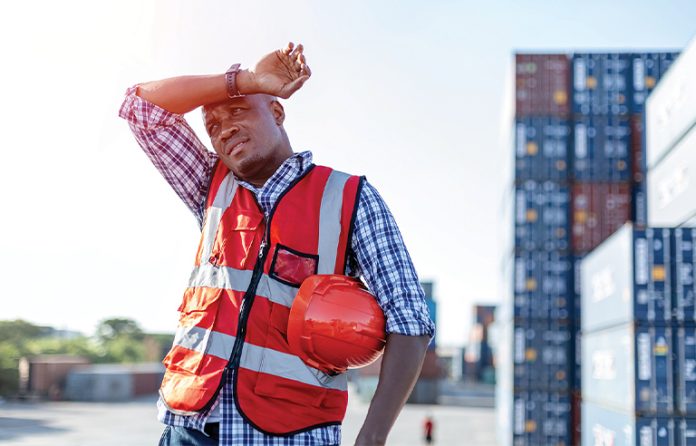
It was a mild morning (88° F) in late April, not the kind of condition that most people would call dangerous. By noon, however, two workers were dizzy and nauseated and one needed medical attention.
The problem wasn’t record-breaking heat. It was a mix of conditions that quietly added up before anyone realized the risk.
Heat stress rarely results from simply one factor. It usually happens when several elements stack together: the environment, how prepared the body is for heat, and how much heat workers are generating or trapping through physical effort and clothing. Understanding these factors can help supervisors spot problems early.
WBGT: A better way to measure heat risk
Most of us think about heat in terms of air temperature. But a regular thermometer only tells part of the story. It doesn’t account for humidity, direct sunlight, hot surfaces or wind – all of which affect how well the body can cool itself.
That’s where wet bulb globe temperature, or WBGT, comes in. WBGT combines air temperature, humidity, radiant heat and air movement. This gives a much clearer picture of how stressful the environment really is. For example, an 88-degree day with high humidity, direct sunlight and little wind can be more dangerous than a hotter day that’s dry and breezy. That’s why OSHA, NIOSH and the U.S. military use WBGT when setting heat safety and work/rest guidance.
Acclimation: Is the body ready?
The human body can adapt to heat, but it needs time. Workers who are new, returning after time away or starting the season after cooler weather are more vulnerable. A 90-degree day in April can be riskier than a 100-degree day in July because workers may not yet be conditioned for the heat.
Acclimation usually takes seven to 14 days of gradual exposure. During that time, workloads should increase slowly, with extra attention placed on hydration, rest breaks and symptoms.
Heat stress can happen in cooler weather, too. A worker dressed for a cold morning may still be wearing heavy layers when the day warms up. That trapped heat can become problematic even when the air temperature seems comfortable.
Clothing and exertion: The hidden multipliers
Physical labor creates body heat. The harder someone works, the more heat their body releases. Add personal protective clothing or equipment (such as Tyvek suits, welding gear and coveralls), which are sometimes worn with multiple layers, and cooling becomes much harder.
Some materials trap heat and block sweat from evaporating. That means one worker in full PPE may be under serious heat stress while another worker nearby in lighter clothing feels fine. Gear and exertion can quickly multiply the risk.
Getting ahead of heat stress
To understand heat risk, look at the full picture. WBGT shows what the environment is doing. Acclimation shows how prepared workers are. Clothing and exertion show how much extra heat the body is carrying.
When these factors are tracked together, supervisors can make smarter decisions about breaks, hydration, staffing and work pace. Look for apps specifically designed for heat stress monitoring, ones that pull live WBGT data, adjusting for clothing and acclimation; alert supervisors when risk is rising; and require acknowledgement from teams that they’re taking necessary safety precautions.
The goal is simple: spot the danger early, step in fast and prevent a medical emergency before it happens.
Editor’s note: This article represents the independent views of the author and should not be considered a National Safety Council endorsement.