
Responding is Ben Schmidt, vice president of sales and co-founder, HOIST, Cincinnati.
As temperatures rise across the country, heat stress is becoming one of the most overlooked workplace safety risks – particularly for employees working outdoors and in physically demanding environments. Often, dehydration is only addressed after an incident occurs. By then, productivity has dropped, focus has declined and worker safety may already be compromised.
Hydration should be treated as a proactive safety strategy, not a reactive response.
One of the biggest challenges employers face is accurately identifying dehydration before it escalates into a serious issue. Relying on thirst alone isn’t enough. By the time a worker feels thirsty, dehydration has often already begun affecting physical and cognitive performance.
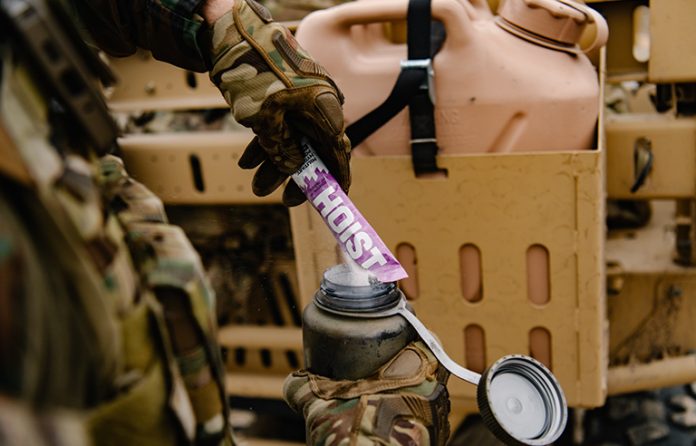
Employers should instead implement preventive measures that help identify early warning signs before they become dangerous. Pre-shift wellness screenings and urine color awareness checks are two ways to help monitor hydration levels and identify workers who may be entering a shift dehydrated. Scheduled hydration and electrolyte replacement protocols are also critical, especially in high-heat environments where workers are losing fluids continuously throughout the day.
Environmental monitoring matters as well. Temperature, humidity and heat index should be monitored alongside worker fatigue trends and productivity levels. In high-risk industries, wearable heat stress monitoring technology can provide an additional layer of protection by identifying rising body temperatures and physical strain in real time.
Equally important is supervisor education. Many early warning signs of dehydration are commonly overlooked or dismissed as “normal fatigue.” Headaches, dizziness, muscle cramps, dry mouth and excessive exhaustion early in a shift are often the body’s first signals that hydration levels are dropping. Supervisors may also miss more subtle but equally dangerous symptoms, including slower reaction times, reduced concentration, irritability, confusion and declining coordination – all of which can significantly increase the likelihood of incidents or near misses.
Employers must create environments where workers feel comfortable reporting symptoms early without fear of disciplinary action or judgment. Hydration and recovery should be normalized as part of operational excellence and workforce protection, not as interruptions to productivity.
At the end of the day, preventing heat stress isn’t just about compliance, it’s about protecting people, improving performance and ensuring workers return home safely. The organizations that prioritize hydration education, proactive monitoring and proper electrolyte replacement not only reduce safety incidents, but also build stronger, healthier and more productive teams.
Editor’s note: This article represents the independent views of the author and should not be considered a National Safety Council endorsement.