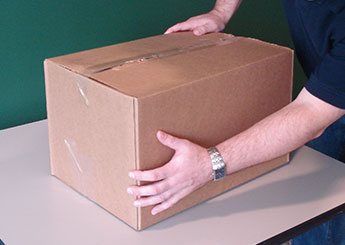
In 2011, the back was the body part involved in the largest percentage of injuries involving days away from work, according to the 2014 edition of the National Safety Council’s “Injury Facts.” Although many events can lead to back injuries, OSHA notes that lifting loads that are too heavy can be especially hazardous.
Among the tips OSHA recommends to help reduce the risk of injury from heavy loads:
- Before lifting an object, determine the maximum weight that can be safely lifted.
- Generally, if a load is heavier than about 50 pounds, do not attempt to lift it manually.
- Use a lifting device – such as a powered barrel dumper – to lift loads deemed too heavy for workers.
Using proper lifting techniques when performing manual lifts will minimize the risk of injuries to the back, OSHA states. When lifting, follow these tips to stay safe:
- Try to maintain a neutral spine alignment. Typically, bending at the knees – not the waist – will help maintain proper spine alignment.
- Keep loads close to the body. For large, bulky loads, it may be better to bend at the waist instead of the knees to keep the load closer to the body.
- Do not reach to access a load.
- Minimize bending by keeping the load between shoulder and thigh height when lifting.
- Keep heavier loads off the floor.
- Do not twist when lifting.
Lift heavier or bulky loads with a co-worker.