Boston – Women who who eat more fiber during adolescence and early adulthood may help lower their risk of breast cancer, according to a study from Harvard T.H. Chan School of Public Health.
Researchers examined information about more than 90,000 women who answered questions about their diet in the Nurses’ Health Study II. The women who ate the most fiber during high school – about 28 grams per day – had a much lower risk of breast cancer than those who ate an average of less than 15 grams per day.
Eating fiber during young adulthood reduced breast cancer risk to 12 percent from 19 percent, according to a university press release. In addition, consuming a significant amount of fiber during adolescence was linked to a 16 percent reduced risk of breast cancer and a 24 percent lower risk before menopause. Breast cancer risk decreased 13 percent for each additional 10 grams of fiber consumed daily.
Foods rich in fiber include:
- Fruit
- Vegetables
- Beans
- Nuts
- Whole-grain bread and cereal
- Peas
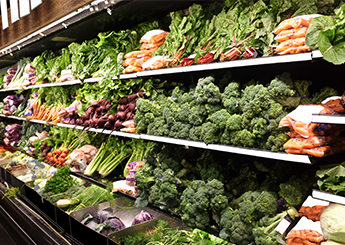
Fiber from fruit and vegetable seemed to provide the largest benefit.
“Previous studies of fiber intake and breast cancer have almost all been non-significant, and none of them examined diet during adolescence or early adulthood, a period when breast cancer risk factors appear to be particularly important,” Maryam Farvid, lead study author and visiting scientist at the school, said in the release. “This work on the role of nutrition in early life and breast cancer incidence suggests one of the very few potentially modifiable risk factors for premenopausal breast cancer.”
The study was published online Feb. 1 the journal Pediatrics.