

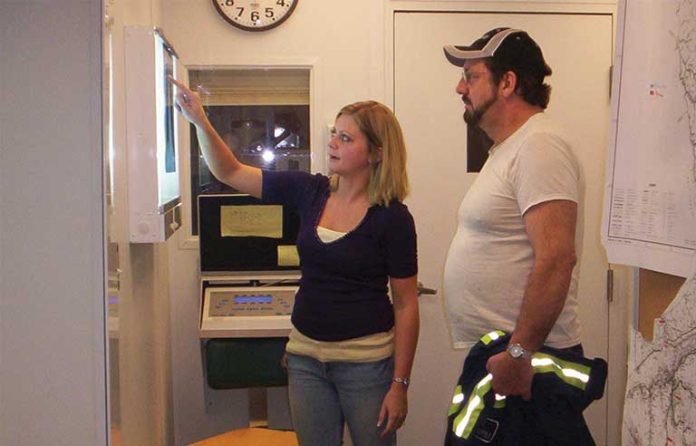
Washington — NIOSH is asking for stakeholder input on overcoming barriers to participation in the free health screenings offered through its Coal Workers’ Health Surveillance Program, according to a notice published in the Nov. 13 Federal Register.
The agency is especially interested in feedback on the following questions:
- Are coal miners aware that periodic health screenings are available, at no cost to them, through the program?
- Is lack of convenience of the screenings (e.g., screening locations or hours of availability) a barrier to participation?
- Does NIOSH’s mobile surveillance unit provide a useful supplement to services offered by approved health care facilities engaged by mine operators?
- Do coal miners receive encouragement to participate (or discouragement from participating) in CWHSP screenings from others such as employers, unions or co-workers?
- Are scheduling issues, such as the need to take unpaid time off from work or use vacation hours or non-work hours for health screenings, a barrier to miner participation in health screenings?
- Does concern about the confidentiality of medical information pose a barrier to participation?
- Does concern that the early identification of dust-related lung disease might adversely affect a miner’s career (e.g., prevent career advancement or the ability to get a new coal mining job) pose a barrier to participation?
- Does concern that early identification of dust-related lung disease might affect subsequent eligibility for compensation through federal or state programs pose a barrier to participation?
- Does concern that personal finances will require a miner to continue working despite early identification of dust-related lung disease pose a barrier to participation?
- Are there additional barriers to participation that NIOSH should be aware of?
CWHSP offers free screenings that include chest X-rays and spirometry examinations. The notice states that screenings can help detect signs of coal workers’ pneumoconiosis, a deadly but preventable condition commonly known as black lung, which is at a 25-year high.
- Digital Partners -
The deadline for comments is Jan. 14.

