

|
Sponsored by |

Human factors are an incredibly pressing safety concern. Every day, states such as rushing, distraction and fatigue increase workers’ risk of injury, and learning to reliably mitigate them can dramatically improve safety outcomes.
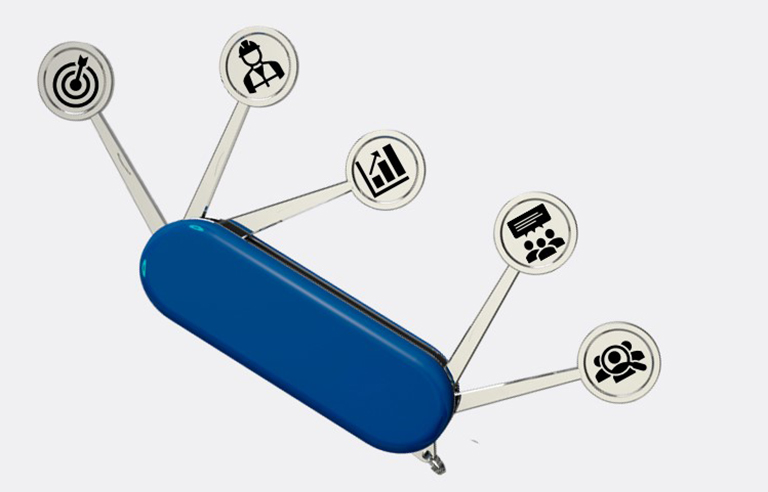
Managing human factors well can also deliver notable benefits in productivity, turnover rates and employee engagement. These gains can make the right human factors management program seem like a Swiss Army Knife – a single tool with a range of different effects across an organization.
However, properly managing human factors requires a flexible framework that’s effective at both improving personal safety skills and boosting organizational capacity for supporting workers on an everyday basis. This means teaching employees to recognize what state they’re in and how they can adjust their actions accordingly, as well as helping them build habits to fight complacency. Organizationally, it requires instilling a common language to make sure everyone’s on the same page and upskilling supervisors so they can be proactive in identifying human factors that affect their team.
All of that’s easier said than done. When organizations try to manage human factors on their own, it necessitates a great deal of time and bandwidth from a safety team that’s already stretched thin. It also means navigating competing priorities from operations and human resources, not to mention other safety initiatives.
Perhaps most challenging of all is a knowledge gap. Human factors are commonly recognized as a major issue, but few organizations have the years of expertise in managing them properly to reduce human errors and injuries.
This doesn’t mean that organizations are ignoring human factors entirely. But because most organizations haven’t developed their own human factors management framework, they often make missteps, including:
- Telling people to pay more attention rather than showing them why and how to monitor their human factors
- Treating human factors management as a one-and-done initiative rather than an ongoing process
- Failing to use the proper adult learning principles to elevate training outcomes
- Not properly getting employee buy-in
Processes like SafeStart succeed where others fail because they avoid these mistakes entirely, while also excelling at three vital elements in managing human factors.
The first element is winning hearts and minds. Positive training outcomes are closely linked to workers believing in what they’re learning. Unfortunately, years of compliance training can lead to safety feeling tedious – but SafeStart has several tactics for turning employee attitudes about safety on its head.
A strong human factors management program also needs a simple and flexible approach. Every person on a worksite should be able to learn it, remember it and use it. And the skills they learn need to apply everywhere: at work, at home and in the car. After all, data from the National Safety Council shows that most injuries happen off the clock.
Finally, a human factors management program should feel different from other safety initiatives – because it is different. You’re not managing static hazards, you’re managing people, and managing systems with people in mind. It’s a lot easier to win hearts and minds if the program looks and feels different than standard-issue compliance training, too.
Thanks to these three elements, we regularly see four concrete shifts in workplaces that use SafeStart to help sustainably manage human factors:
- Workers use it voluntarily at work and at home.
- There are measurable improvements in individual safety awareness and habits.
- A common language emerges across teams and departments.
- Other departments see improvements in quality, culture and productivity.
Intuitively, it makes sense why non-safety departments experience benefits from human factors management. When human error happens, the outcome is unpredictable. Sometimes errors cause a safety incident. On other occasions, it leads to a quality problem or a cultural conflict. Addressing human error at the root by managing human factors can stop the negative outcomes from piling up for everyone.
A human factors management program like SafeStart works like a Swiss Army Knife because it’s not a one-trick pony. Workers feel like they’re carrying a tool that’s useful in every situation. Other departments feel like they’re getting real improvements on safety’s budget. And culture improves across the board.
Although Swiss Army Knives are expertly designed, they can be used by anyone. In the same way, SafeStart addresses the expertise barrier with an effective, well-designed program that gets the entire organization up to speed quickly on managing human factors. The end result? A single safety framework that protects people and delivers outsized value across your entire organization.