

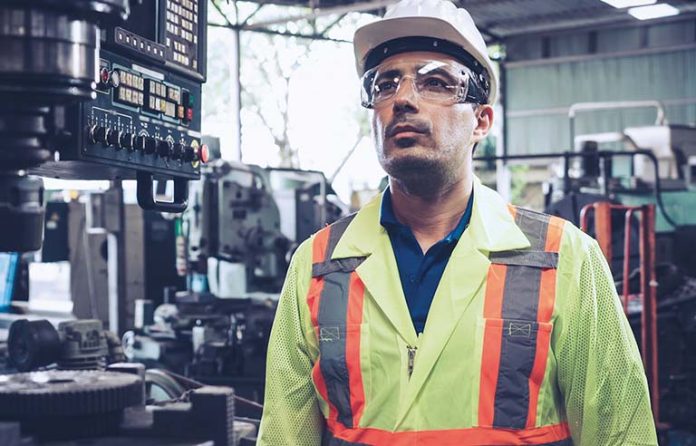
When it comes to personal protective equipment, the future is “in the ever-changing needs of the customer,” says Charles Johnson, president and CEO of the International Safety Equipment Association, a trade association of manufacturers of PPE and other safety equipment. “End-user research is vital to product development, as we need to understand from our workers what they need from their PPE.”
What hasn’t changed? The need for PPE to fit properly – and comfortably. “If it’s not comfortable, it won’t be used or worn, and therefore won’t protect the worker,” Johnson said, adding that “PPE manufacturers are adapting safety solutions to changing needs and environments of the worker, considering their many varying characteristics, preferences and working conditions.”
Here, Safety+Health asked PPE manufacturers what trends they’re seeing, what customer concerns they’re hearing and what’s on the horizon for PPE safety solutions.
What recent PPE trends have you observed?
“We’re seeing a big move to better PPE innovations. That means lighter, thinner protection from cuts, abrasions and even impacts. Customers want solutions that do more than keep their employees safe. Gloves and sleeves that are too thick or uncomfortable or that get in the way of the job are fast becoming a thing of the past.
“PPE that can help to protect workers in the heat is becoming more prominent as well. Employers are looking for proactive heat safety approaches, not just reactive.”
– Sarah Anderson, director of product management, Magid
“We’re seeing just how important buying American-made products is for our customers. This has been driven by negative experiences of importing PPE from overseas during supply shortages, a desire to support local businesses and the economy, and the need for high-quality protection that customers can trust will perform properly and is tested to our governing regulatory bodies.”
– Jack Hartley, content specialist, RPB Safety
“Three key trends we are currently seeing in the PPE category that are consistent across geographies/product lines are:
Supply chain stability: Due to COVID-19, PPE manufacturers have experienced exponential demand for their products at a time when they were also experiencing capacity constraints due to social distancing and other preventative measures at facilities to curb the spread of COVID.
Cost volatility: Due to the exponential demand for PPE products, costs such as raw material, converting and freight/shipping have exponentially increased throughout the pandemic. Even though we see signs of that stabilizing and decreasing, there still is uncertainty to whether costs will return to pre-COVID rates by 2022.
Digital presence: We have seen choosers/users increase reliance on digital content/e-commerce to evaluate and make PPE decisions versus their DSR/sales rep.”
– Mazen Kachlan, lead of Global PPE, Kimberly-Clark Professional
“There has been a recent focus on the need for higher-level protection, across all PPE, going above what has been standard. We have seen an increased awareness on the importance of proper PPE and the protection it provides, leading to users making a larger upfront investment in PPE. For example, more than half of fatal work-related traumatic injuries are a result of falls, creating more mandates on climbing style helmets to keep workers safe. This growing trend in Type 2 Helmet adoption protects the user from top and side impact.
“Additionally, there are increasingly more products aimed at varied levels of exposure, both acute and immediate – trends that are highlighting the importance of adoption.”
– Zach Richman, group product manager, Milwaukee Tool
“One major trend is a shift to prevention as a best practice over strictly relying on PPE for ‘after-the-fact’ protection. Objects at heights (dropped object prevention) is a great example – putting a focus on the solutions that can keep objects from falling in the first place can make worksites far safer than hard hats and steel-toed boots.
“Another trend we’re seeing is a move toward lower-profile solutions across all categories. An example here is the rising use of bump caps, which can be worn low and tight to the head for protection in environments where minor head injuries can occur but hard hats are not required.”
– Allie Thunstrom, field product specialist, Ergodyne
Page 2 of 3
What PPE challenges are customers reaching out to you about?
“New technologies have made it possible to create feather-light materials with the highest levels of cut protection. When you add advanced glove coatings that can absorb oils without saturating the glove, or that are custom-made for specific industries like glass with special handling needs, we’re getting down to a level of specificity that will be able to serve any industry with any need.
“New technologies in heat safety are providing materials that cool almost instantly and stay cool for as long as two full hours with unlimited reactivation. This is a huge benefit for workers who need more than shade and hydration to keep them safe from heat illness.”
– Anderson
Charles Johnson
President and CEO
International Safety Equipment Association
“With customers using PPE more frequently and for extended periods of time, they’ve become unhappy with the level of comfort they’ve experienced with tight-fitting negative pressure respirators in particular. A lot of customers have reported issues with facial bruising and difficulty breathing when using these systems. Because of this, we’ve found customers are actively searching and pursuing new forms of PPE, like powered air-purifying respirator systems, as they want to increase their level of comfort at work, while ensuring they’re better protected.”
– Hartley
“Main challenge revolves around supply chain. Our customers are reaching out to us to either commit to certain supply levels or to confirm we can supply their new customers.”
– Kachlan
“We’ve continuously seen proper fit as a growing challenge in the industry. There is a need for more sizing and fit options, specifically geared for smaller build and female workers.
“Additionally, how integration of PPE all works together can be a challenge.”
– Richman
“Given the current state of the world, one of the biggest challenges customers are facing is how to keep safety eyewear from fogging up when worn with a mask. Lenses with inherent anti-fog treatment are far and above the best solution, as wipes and after-production treatments will eventually wear off (sometimes after only a few hours of use).
“Another challenge we’re hearing about is dropped object prevention. As awareness of the ANSI/ISEA 121-2018 standard grows, we’re receiving more questions than ever about compliance, policy creation and solutions.”
– Thunstrom
Page 3 of 3
What innovations and technologies are here or on the horizon?
“New technologies have made it possible to create feather-light materials with the highest levels of cut protection. When you add advanced glove coatings that can absorb oils without saturating the glove, or that are custom-made for specific industries like glass with special handling needs, we’re getting down to a level of specificity that will be able to serve any industry with any need.
“New technologies in heat safety are providing materials that cool almost instantly and stay cool for as long as two full hours with unlimited reactivation. This is a huge benefit for workers who need more than shade and hydration to keep them safe from heat illness.”
– Anderson
“Safety is top of mind as the country reopens and workers return to their place of employment, where they want to feel protected more than ever before. Ensuring workers are protected means ensuring equipment is used, and that it is used properly. To do so, we’re seeing more employers deploy ‘smart’ technology that can responsibly monitor, collect and record location and movement data, with worker privacy in mind, to help managers determine if equipment is used properly and potentially prevent accidents.”
– Charles Johnson, president and CEO, International Safety Equipment Association
“Main innovations revolve around improving comfort/fit of PPE so that workers continue to be compliant and productive.”
– Kachlan
“Material innovation recently became an important focus. It is critical to understand what materials, in and out of our industry, offer the most protection, functionality, and comfort. Take gloves, for instance: There are multiple factors and jobsite requirements that go into a user’s decision, including cut resistance, impact resistance, dexterity, climate and more.”
– Richman
“As technology continues to advance at hypersonic speed, worksites are getting much smarter. In addition to the rising popularity of QR codes with their ability to instantly and interactively communicate messages, IoT technologies are providing immediate feedback to keep workers safe. These smart sensors can identify hazardous areas, ensure proper PPE is being worn, and even alert workers to dangerous heat and cold stress conditions – signaling break times and encouraging hydration or other preventative actions. These advancements are opening doors to things we never thought possible. It’s an exciting time for sure.”
– Thunstrom

