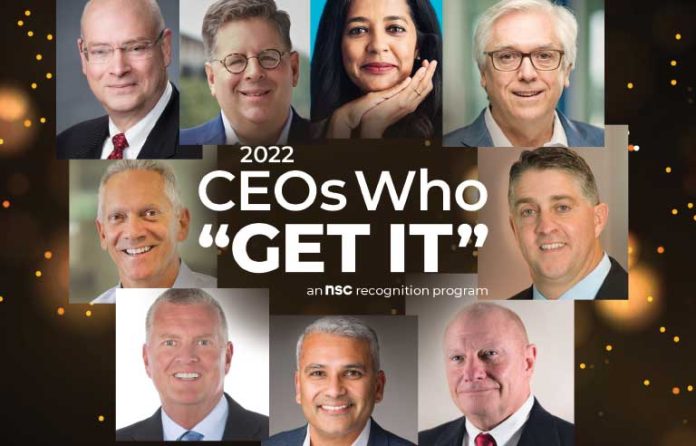
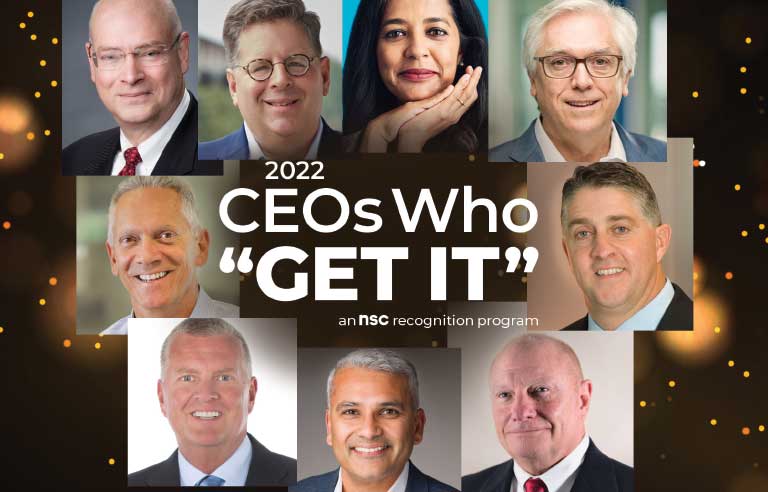
The 2022 CEOs Who ‘Get It’

2022 CEOs Who

CHOOSE A PROFILE

BROWSE ALL PROFILES

>

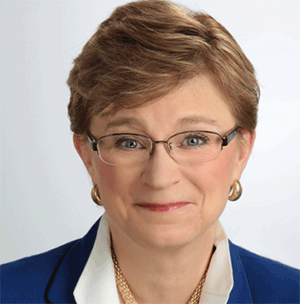
Lorraine Martin

Introduction by
Lorraine M. Martin
President and CEO
National Safety Council

A culture of safety starts at the top. It takes leaders who understand that safety needs to be at the forefront of every major business decision and ensure safety is a guiding value throughout their organization. That’s precisely what it means to be a CEO who “gets it.”

- Digital Partners -

This year’s honorees are leaders with decades of experience who represent U.S. industries coast to coast. They’re passionate about safety and the impact it has on their employees, organizations and communities. They set bold goals, focus on continuous improvement and deliver strong results, recognizing that safety never stops.

In a year like no other, these nine CEOs consistently have gone “above and beyond” for their employees. Not only do their collective efforts help advance the National Safety Council mission to save lives, from the workplace to anyplace, I have no doubt that their exemplary leadership contributed to business becoming the most trusted institution worldwide, according to the most recent Edelman Trust Barometer.

CEOs who “get it” lead by example – such as David B. Burritt of U.S. Steel Corp., whose organization was named to Newsweek’s list of the “Most Loved Workplaces” last year for its permeating belief – from the frontline to the boardroom – that each of its 23,000 worldwide employees deserves to return home safely to their loved ones every day. Or, take Matthew Flannery of United Rentals Inc.: a leader who aspires for his team to return home better for having come to work – safe, inspired and motivated. For Brian Evans, leader of Environmental Air Systems, caring for those around you means having the courage to speak up in unsafe situations – a “people-first” approach to accountability that has resulted in 50% fewer incidents in a single year.

These leaders also challenge the status quo. Nick Stanage of Hexcel believes a zero-injury workplace is possible and has implemented new policies and systems that challenge traditional safety metrics. In his prior role leading Jetco Delivery, Brian L. Fielkow went against the grain and incorporated safety into Jetco’s value proposition, which attracted clients who are willing partners in a shared safety mission.

Over the past couple of years, the divide between work and life has narrowed. These leaders recognize that the constructs of workplace safety have evolved as well. Understanding that many on-the-job incidents stem from external stressors, Mike Greenawalt of Rosendin included a program to address topics related to mental health, diversity and inclusion. Similarly, Vijay Manthripragada of Montrose Environmental Group knows that holistic employee well-being creates healthier workplaces and communities, which is why he formalized the company’s commitment to several of the United Nations’ sustainable development goals.

- Digital Partners -

Finally, CEOs who “get it” listen and have a desire to continually improve their organizations and the communities in which they live and work. After soliciting candid feedback from more than 8,000 AES Corp. employees across 30 countries and 10 languages, President and CEO Andrés Gluski embarked on a three-year project to improve safety culture, which resulted in new technologies and practices that fuel employee wellness. Similarly, Revathi Advaithi, CEO of Flex, used feedback from the company’s frontline workers to refine safety protocols and training, implementing a global program focused on eliminating machine-related injuries.

Every worker in America deserves a CEO who gets it, and these nine individuals not only inspire their own employees, colleagues and other industry leaders, but they also help people live their fullest lives – on and off the clock.

On behalf of NSC, congratulations to the 2022 honorees.

Browse individual CEO profiles by clicking on a photo below or by pressing the navigation buttons at the top of each page.

  • Revathi AdvaithiRevathi Advaithi
  • David B. BurrittDavid B. Burritt
  • Brian Evans Brian Evans
  • Brian L. FielkowBrian L. Fielkow
  • Matthew FlanneryMatthew Flannery
  • Andrés GluskiAndrés Gluski
  • Mike GreenawaltMike Greenawalt
  • Vijay ManthripragadaVijay Manthripragada
  • Nick Stanage Nick Stanage


Does your CEO ‘get it?’

Tell us why on the submission form and your CEO could appear among the 2023 selections.

Thoughts on diversity: Throughout the years that the CEOs Who “Get It” recognition program has been in existence, the National Safety Council has shone a spotlight on leaders from diverse industries. To help NSC showcase more diversity among the CEOs themselves, we encourage safety professionals whose leaders are women and minorities to submit their leaders’ names for consideration.


CEOs Who “Get It” through the years

Browse CEO picks from the class of 2015 through the present.


CEOs Who Get It 2022

CHOOSE A PROFILE

BROWSE ALL PROFILES

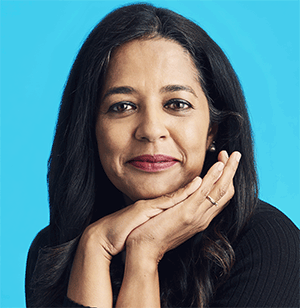
Revathi Advaithi

CEO
Flex
San Jose, CA

Revathi Advaithi


Accomplishments

  • Has set the tone and expectations that every leader is responsible to take care of their people and do the right thing always.
  • Oversaw the company’s response to the COVID-19 pandemic. Stayed steadfast in her commitment to the health and safety of Flex’s 160,000 employees worldwide across 30 countries as the No. 1 priority.
  • Recently challenged the organization to be more aggressive on reducing the total case incident rate, with a philosophy of working toward an injury-free workplace. Supported the completion of a third-party EHS management system and organization assessment.

Flex is the manufacturing partner of choice that helps a diverse customer base design and build products that improve the world. Through the collective strength of a global workforce across 30 countries and responsible, sustainable operations, Flex delivers technology innovation, supply chain and manufacturing solutions to diverse industries and end markets. The company has 160,000 employees at over 100 facilities in 30 countries with revenue of more than $24 billion.

Describe your personal journey to becoming a CEO who “gets it.”

Revathi Advaithi

Being raised by a single mother with four sisters in India played a large role in my life and influenced my leadership skills. My mother always stressed our values – the power of education, the importance of self-reliance and kindness. She encouraged us to challenge ourselves and take risks. As I reached my teenage years, I really had no idea what I wanted to do. Engineering was highly valued and felt like a good path. I landed in mechanical engineering because I liked the systematic aspect and enjoyed diving into how things work together. This in turn steered me to manufacturing.

I started my manufacturing career in America’s heartland, at Eaton, a large, diversified manufacturer, spanning many teams and divisions. After my initial stint as a shop floor supervisor, I was able to advance through different roles within the company and gain exposure to a variety of business functions and sites across the world. Irrespective of geography or location, facilities with high marks in safety typically had strong operational performance and engagement from employees, who are truly the lifeblood of any organization. While at Eaton, I began to understand that being a good leader means that you have a responsibility to take care of your people – to provide a safe, supportive environment.

Several countries and years later, I arrived at Flex as CEO in February 2019. I quickly instilled an authentic, results-driven approach to our health and safety practices. For me, it all started with our core values as a company, focused on doing the right thing always. With Flex’s size, I knew that we had to empower Flex leaders at every level to be responsible for taking care of their people and do the right thing always. And during the COVID-19 pandemic, the health and safety of our people was – and continues to be – my top priority.

The results-driven approach extends to my views toward managing the safety and well-being of our global employees. I believe that you can tell a lot about a manufacturing facility based on their safety metrics. A quick glance at those metrics and their trajectory conveys a great deal of information: first and foremost, about the extent to which the company values its employees and prioritizes their safety. Is the company doing everything it can to minimize risk and course correct for issues that impact employee safety?

Safety commitments and metrics tell you what you need to know not only about the leadership team’s efforts and attitudes toward their employees, but about their ability to ensure the facilities under their stewardship have the processes – and workplace culture – in place to optimize worker safety. Attention to detail and our workforce’s commitment to a safety-first approach are key to minimizing risk of injury.

As CEO, my primary goal will always be to ensure we are continuously identifying ways to improve employee safety. I understand that a commitment from the top that is reaffirmed at every level of the organization is the only way to build a workplace culture that truly values safety.

What is the biggest obstacle to safety at your organization, and how do you work to overcome it?

In any manufacturing environment, there is inherent risk. Big, loud machines are operating 24/7 to manufacture products for our customers across the world, and at each site, there are hundreds, if not thousands, of employees involved in this process. Machine- and equipment-related injuries are the biggest obstacle to safety for any manufacturing site.

To manage machine- and equipment-related injuries at Flex, my leadership team and I have approved significant CapEx projects related to machine safeguarding. In addition, we have provided the necessary support to drive a global program focused on safeguarding high-risk machines to eliminate serious injuries and work toward eliminating all machine-related injuries.

As part of our sustainability goals, I recently challenged the organization to be more aggressive with reducing the total case incident rate and established a target of 0.2 or less by 2025, with our philosophy of working toward an injury-free workplace. I have also supported the completion of a third-party EHS management system and organization assessment. This comprehensive assessment was completed to provide recommendations supporting our road map and drive toward the long-term TCIR targets and continued path toward an injury-free workplace.

I also oversaw our company’s response to the COVID-19 pandemic. When the pandemic hit, I stayed steadfast in my commitment to the health and safety of Flex’s 160,000 employees worldwide across 30 countries as the No. 1 priority. My leadership team and I prioritized the development of a detailed playbook to manage the situation and then replicated it across Flex’s factories around the world. Activating resources and establishing protocols to protect employees with personal protective equipment, temperature screening and physical distancing parameters happened very quickly. This enabled Flex employees to work safely and confidently as they made many of the essential products people and businesses around the world needed, including masks and ventilators.

Why is safety a core value at your organization?

The safety and well-being of our employees is Flex’s top priority. That is why I have made it a priority to set the tone and expectation that every leader is responsible to take care of their people and do the right thing always. Flex leaders are accountable to demonstrate improvements and show positive safety results along with other financial and operational KPIs regularly.
I made the decision to make safety targets a part of the company goals for fiscal years 2020, 2021 and 2022 – the first time this had ever happened at Flex. Those safety targets have been cascaded into personal objectives throughout all levels of leadership across the organization. This has included a stronger focus on indicators such as reducing the TCIR and also doubling down on efforts around our culture of safety maturity assessment, which is completed at the site level, assessing 20 key processes necessary to drive a strong culture of safety.

During site visits, I have led conversations in which I’ve asked purposeful safety questions, resulting in a strengthened safety-first approach throughout Flex, including starting meetings with a safety message. In addition, the company began tracking risk assessments completed globally along with actions required to mitigate significant hazards.

How do you instill a sense of safety in employees on an ongoing basis?

I believe there are two pillars that are critical for instilling a sense of safety for employees. The first is frequent communications and education. We strive to be transparent with our 160,000 employees across the world, and that requires consistent communications that reaffirm our commitment to safety as Flex’s No. 1 goal. That’s not just top-down from the CEO – we encourage any and all leaders to be open and honest in their communications around employee safety.

Communication also does not just mean offering platitudes about safety. It means providing frequent, valuable educational trainings – and refresher safety training programs – for all site managers, supervisors and employees. Overcommunicating the importance of safety is an effective way of ensuring you’ve got a safety-first culture – and that’s important to us.

The other pillar is accountability. I provide more details in my response to the next question about measurement, but we have developed the Flex Scorecard, which is our data-driven forcing mechanism for accountability.

We have taken a programmatic approach to safety, including the development and deployment of a global machine safety standard, and a program used globally to reduce machine-related incidents. We’ve created and put into place an enhanced site-level risk assessment process that ensures Flex is consistently recognizing, evaluating and controlling risk, leading to site-specific plans based on site injury and illness trends.

Finally, I am also a firm believer that culture is an important driver of safety. We strive to foster a sense of accountability and ownership within each and every employee at Flex. When employees feel empowered and valued, we have found that they are far more engaged and better equipped to ensure the safety of themselves and their co-workers.

How does your organization measure safety?

At Flex, we have 160,000 employees across 100 sites in 30 countries, making it very challenging to monitor safety compliance issues everywhere in a unified and holistic manner. At the same time, safety and compliance are essential to how we do business at Flex. We strive for safety and compliance to be a “normalized” part of every manager’s job. Our goal is to empower managers and leaders at our sites to be responsible for safety, ethics and compliance.

We want to give them latitude in terms of how they do that, but at the same time it’s important to hold our leaders accountable. That is why we developed what we call the Flex Scorecard, which is our way of assessing managers’ and leaders’ ethics, safety and compliance performance. I believe strongly that measuring those elements alongside operational experience is critical. It is not just about what you achieve, but how you achieve it.

The Flex Scorecard is a way to put hard numbers behind that accountability using data we already collected to identify hot spots, room for improvement and areas of excellence.

At Flex, we are focused on fostering a safer, more compliant and ethical culture using data – and we have a ton of data. The challenge has been in pulling it all together in a way that we can analyze effectively and take actions when needed. The good news is that most of this data is already collected somewhere.

I encourage safety and compliance leaders to focus on breaking through siloed surveys and reports and work on persuading management that it’s better to encourage integration with one another – this will demonstrate and enable a transparent view of the company’s actions. CEO buy-in is critical here, because otherwise teams would have a very hard time aggregating data from different groups, and you need to have good, reliable data for a program like this to work well.

We pull data from a number of internal and external benchmarks, including hotline reports, substantiation rates and anonymous reporting. We also consider employee engagement, culture and risk perception, and employee perception survey summaries. We take these data sets and other information from cross-functional groups such as HR and internal audits and create a graphical representation of the issues noted based on the category, level of security and conclusion. From there, we map a course of action for remediating the risks.

The data has been incredibly helpful in identifying any compliance lapses that lead to safety issues across regions and sectors. The scorecard helps us identify hot spots and, in some instances, we’ve been able to narrow these challenges to specific production lines in factories. It helps us continue to maintain compliance and safe practices while allowing us to resolve issues before they become bigger problems.

Beyond the Flex Scorecard, we are constantly measuring metrics related to safety at Flex in an effort to hold our leaders accountable in areas including incident rate; injury rate; occupational disease rate; lost time cases rate; minor, serious and fatal injuries; near misses; risk assessments; safety trainings; accident-free days; and accident costs. It’s impossible to improve what you don’t measure, and we are firmly committed to a culture of safety at Flex.

What role does off-the-job safety play in your organization’s overall safety program?

Everything we do related to supporting our employees at Flex is done for the sake of their safety and well-being. Healthy, happy employees are safer employees, which is why off-the-job safety is so important to us. We provide a wide range of programs, including wellness programs, community projects and employee assistance programs to offer support to employees – physically and emotionally.

In the early days of the pandemic, we quickly understood that the health and well-being of our employees across the globe were at stake, and we were determined to do whatever we could to keep employees, their families and their communities safe.

Flex’s mission is to make great products for customers that create value and improve peoples’ lives, working with customers across a diverse set of industries, including health care. That’s why – despite never having produced a mask – I understood that the company was in a unique position to move quickly in response to the pandemic. That meant setting up the infrastructure, the processes and the supply chain to manufacture millions of protective masks in a matter of weeks.

I leaned on our team and our global resources to ensure Flex could quickly and effectively set up 12 manufacturing lines in 10 locations across the world in order to produce the masks that would keep our employees safe. Just five weeks into the project, we had our first million masks roll off the line. We were soon able to kick the project into hyperdrive across the other sites, eventually getting production up to 1.5 million masks per week – more than enough for employees.

What have you done to support employee mental health and well-being within your organization?

As part of our sustainability goals, we are committed to ensuring 100% of our employees have access to emotional/mental health programs by 2023. We want to expand our current offerings to ensure every team member across the globe has the resources needed for their emotional well-being.

Also, in response to the pandemic, we introduced and hosted the Flex Living Well Series throughout 2020. We implemented a global webinar series for employees that covered a range of health and wellness topics during the COVID-19 health crisis. Webinars on medical advice from doctors, proper wear of PPE, mindfulness, resiliency, managing home schooling and at-home workouts were offered on demand.


CEOs Who Get It 2022

CHOOSE A PROFILE

BROWSE ALL PROFILES

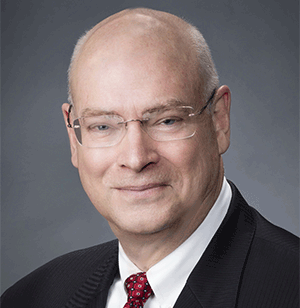
David B. Burritt

President and CEO
U.S. Steel Corp.
Pittsburgh, PA

David B. Burritt


Accomplishments

  • Internal, formal and informal messaging always ends with “Now let’s get back to work … safely.”
  • “Safety first” is the company’s most important core value and is frequently communicated internally and externally.
  • Begins every board of directors and senior leadership team meeting with a review of safety performance and key safety projects.
  • Credited with creating 360° Safety, which involves enhancements to U.S. Steel’s already robust focus on physical and psychological safety in its workplaces.

Founded in 1901, U.S. Steel Corp. is a leading steel producer. With an unwavering focus on safety, the company’s customer-centric “Best for All” strategy is advancing a more secure, sustainable future for U.S. Steel and its stakeholders. With a renewed emphasis on innovation, U.S. Steel and its more than 24,000 employees serve the automotive, construction, appliance, energy, containers and packaging industries with high value-added steel products. The company also maintains competitively advantaged iron ore production and has an annual raw steelmaking capability of 26.2 million net tons. Headquartered in Pittsburgh, U.S. Steel has world-class operations across the United States and in central Europe.

Describe your personal journey to becoming a CEO who “gets it.”

David B. Buttitt

There are three important lessons I’ve learned about safety during my career. First, leaders who truly care about the employees they lead put employees’ safety first, always. That applies to all leaders, from the front lines to the C-suite and everywhere in between. Second, I’ve found that companies that can’t get safety right often get other important things wrong, too. When I was looking to join U.S. Steel in 2013, one of the most attractive things about the company was its long-held, clearly stated commitment to workplace safety. That told me that this was a company committed to doing the right things the right way. Lastly, I’m a firm believer in holding people accountable for their performance. At U.S. Steel, the safety organization reports directly to me. That’s because I want to show our employees around the world how much I care about their safety by being the executive directly accountable for it.

What is the biggest obstacle to safety at your organization, and how do you work to overcome it?

The most obvious obstacle to safety for the steel industry is that the vast majority of our employees work in high-hazard environments every day. For many years, U.S. Steel has been leveraging data and technology to drive the safety performance improvements we need to reach our goal of zero incidents and injuries. Increasing use of data has also helped us avoid another common obstacle: complacency. We’ve created a culture that empowers our leaders to use data to watch for plateaus and set new goals that will keep their employees engaged and striving for safety excellence.

Why is safety a core value at your organization?

At U.S. Steel, we believe our longevity is tied to core values built into our corporate DNA by our founding fathers back in 1901. Those core values are known today as our S.T.E.E.L. Principles. It’s no coincidence our first S.T.E.E.L. Principle – the “S” – stands for “safety first,” because safety is truly foundational to everything we do. Our “safety first” culture is one of the things that has always set U.S. Steel apart from our competitors, because “safety first” is more than a tagline for us. We coined that phrase around 1908, and we feel an intense responsibility to be a true leader on workplace safety because we believe every employee deserves to return home safely at the end of every day.

How do you instill a sense of safety in employees on an ongoing basis?

We believe our very literal approach to the expression “safety first” helps our employees understand its place within our culture. Safety is the first thing we talk about in every meeting or team huddle – from the shop floor to our board of directors meetings. During their orientation process, new employees in our plants are given cards with my signature that empower them to put safety first and stop work at any time if they deem something to be unsafe. We also work cooperatively and in highly visible ways with the unions who represent the majority of our employees because we all agree the safety of U.S. Steel employees is our top priority.

How does your organization measure safety?

U.S. Steel develops and implements safety performance indicators within each organization to ensure effective buy-in and impact for their specific issues and culture. Each operating facility has the responsibility to establish, implement, continuously evaluate the effectiveness of, and modify SPI plans as necessary. The plans must be submitted to corporate leadership for review prior to final implementation. Some of the most common SPIs are related to safety management system, hazard identification and risk assessment, employee engagement, and fatality prevention auditing. Providing this flexibility has proven to be effective because it allows the site to customize their leading indicator plan to address any gaps within the safety process or safety performance at their facility. Each SPI has targets developed for each management employee, which feed the department and overall facility targets, and performance is monitored at multiple levels throughout the organization on a regular basis.

What role does off-the-job safety play in your organization’s overall safety program?

U.S. Steel has long stressed the idea that we want our employees to be safe at work, at home and everywhere in between. We look for opportunities to provide examples of work-related safe job procedures that can be applied to common tasks performed at home by employees and their family members. We frequently reference and recommend third-party resources, such as the National Safety Council’s website and our employee assistance program, to employees in our safety-related communications. We also amplify stories our employees share with us of how they prevented serious incidents away from work thanks to safe job procedures they learned while on the job.

What have you done to support employee mental health and well-being within your organization?

In recent years, U.S. Steel recognized a need to expand how we think about safety in our workplaces. When people sense emotional threats or suffer psychological stress on or off the job, it can become a distraction at work, and distractions at work for one person can create physical safety risks for every person. Our new 360 Safety initiative aims to take a more holistic approach, focusing on the physical and psychological well-being of our employees. Our goal: create a real culture of caring at every U.S. Steel facility in which everyone feels safe, respected and confident enough to be themselves so they can deliver their best work and help themselves and our company excel. We are approaching 360 Safety from all angles – from training and regular engagement with our employees to partnerships with thought leaders and organizations such as NSC.


CEOs Who Get It 2022


CHOOSE A PROFILE


BROWSE ALL PROFILES

<
>

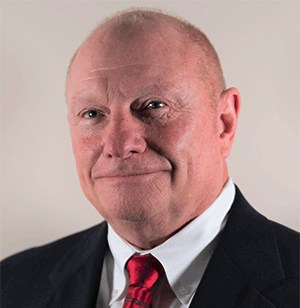
Brian Evans

President and CEO
Environmental Air Systems
High Point, NC

Brian Evans


Accomplishments

  • Instilled a top-down leadership approach and challenged all the leaders of each business unit to make safety a part of all aspects of the culture.
  • Personally responsible for the creation and implementation of the Safety Medallion Program for frontline leadership. The program created recognition, accountability and competition among peers for safety performance and adherence to required safety activities, which in turn improved the leading indicator activity performance.
  • Heavily involved in all safety get-togethers in which he plans and speaks.
  • Regularly visits with employees and speaks with them personally about safety.
  • Writes handwritten notes both to hourly employees, thanking them for their safety performance, and to members of the safety team.

Founded in 1953, Environmental Air Systems specializes in mechanical, electrical and building controls contracting, combining both field construction and manufactured modular solutions. With more than 1,600 employees, EAS works with clients in a range of markets, including pharmaceutical, industrial, mission critical and health care.

Describe your personal journey to becoming a CEO who “gets it.”

Brian Evans

There is no better conversation to have with our many employees than to talk to them about their safety, both on the job and off. As a leader of a company in the construction industry, in which work conditions pose a number of risks, the highest priority is to ensure the safety of our EAS family members. The success of any company striving for world-class safety begins at the top. It must be important to you before it will be important to others. But credit goes to our many leaders. Our pride in striving for excellence in all that we do drives our strong safety performance, and everyone throughout the organization plays an important part in our results.

What is the biggest obstacle to safety at your organization, and how do you work to overcome it?

It is essential that our culture of having each other’s back, as defined by our Courage to Care Pledge, is followed by everyone. To summarize, we all pledge to care enough for those we work with to have their back by speaking up to fix an unsafe situation. We often hire dozens of workers, and instilling this responsibility in each new hire is essential to drive their behavior. The sooner our safety culture is absorbed, the sooner they understand the importance of working safely. This education for new hires starts on Day One of their employment, with a full day of orientation. From there, both their safety and work practices are supported by our mentor program, our safety team and our many safety programs.

Why is safety a core value at your organization?

The success of our business is dependent on the abilities of our people. People of all walks of life make up our company, and our company’s strength is the result of all of our dedicated people who go to work every day with the goal of being the best we can be. This all starts with working safely, and our overriding goal is to have everyone who comes to work to also go home safe to their families each day. The alternative is unacceptable to our leadership team and to our entire EAS family.

How do you instill a sense of safety in employees on an ongoing basis?

It begins with our Courage to Care Pledge, which is read at all company gatherings and morning toolbox talks and is carried around by our workers. Each worker writes and signs a safety pledge each year and is thoroughly trained on how to perform their job in a safe manner. We also recognize safe behavior and acknowledge our high performers. Making sure everyone is safe is also about daily touches around safety, so we have a number of programs we use such as near-miss reporting, jobsite safety surveys, companywide safety campaigns and the commitment to safety excellence throughout all levels of the organization.

How does your organization measure safety?

To begin, because our results are much better than industry averages, we measure our progress against ourselves, comparing current versus previous performance on recordables, lost time, first aids and near misses. We use a variety of measurements, including industry standards such as OIR, DART and EMR. We also have a number of internal measurements to confirm the effectiveness of our many programs. We also analyze our statistics and let them guide us toward further improvements. Finally, we perform a detailed analysis of every recordable and many of our first aids with the goal of implementing work processes that will eliminate the incident from reoccurring. Taking this extra step is essential to world-class performance. If you do the same thing you’ve always done, you will end up with the same results. We change the way it has been handled and drive a different result.

What role does off-the-job safety play in your organization’s overall safety program?

In addition to our many health benefit programs, we work to engage the family into our safety culture. Our safety newsletters are mailed to the home in both English and Spanish. We provide T-shirts to all employees and family members at our annual company events, and the messaging on the shirt is geared toward safety. As sports arenas often display jerseys to exemplify their star athletes, we display all of our safety shirts at our headquarters facility.

What have you done to support employee mental health and well-being within your organization?

Of course, our benefit programs include a variety of employee assistance programs that are available to all employees in support of a host of concerns. We also have a Comfort Cares program that is both company- and employee-funded and provides aid for special situations for those in need. Most importantly, our culture is all about our EAS family, our pride and how much we care about each other. We are always there to support one another and are truly a giving organization. In our company guiding business principles, people do matter and we measure that with three questions that both management and employees can ask each other. They are: 1) Can I trust you? 2) Do you care about me? 3) Are you committed to excellence? To support someone who has been injured, it is common for us to provide meals, mow their grass or provide other help as needed.


CEOs Who Get It 2022


CHOOSE A PROFILE


BROWSE ALL PROFILES

<
>

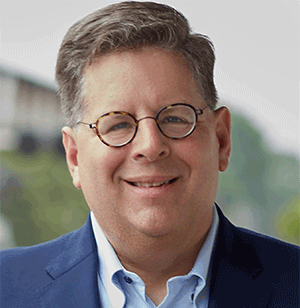
Brian L. Fielkow

CEO
Jetco Delivery LLC
Houston, TX

Brian L. Fielkow


Accomplishments

  • Understands that safety is not only a moral imperative, but a hardcore business decision.
  • Weaves safety into client and employee value propositions, attracting value-aligned clients who are willing partners in a shared safety mission.
  • Replaced old-school progressive discipline with “just culture.”
  • Ensures life-critical rules rise above all others, and employees are keenly aware of the most significant risks they face.
  • Deploys technology to improve safe outcomes.
  • Teaches safety leadership to both the public and private sectors.

Jetco Delivery is a part of Montreal-based The GTI Group, a specialized transport company that provides integrated logistics and transportation services – including asset-based trucking, freight brokerage, and warehousing and storage – to an international clientele. Founded in 1976, Jetco operates terminals in Houston, Dallas, La Porte and Freeport, TX, and serves sophisticated shippers and intermediaries to meet their logistics needs. Jetco employs 225 workers.

Describe your personal journey to becoming a CEO who “gets it.”

Brian L. Fielkow

Early in my career, I focused on compliance, rules and regulations as the pathway to safety excellence. I had a mindset that safety was a department. In a way, that mindset was extremely parental – the safety professionals’ job was to keep everyone safe. As my thinking evolved with experience, I realized that safety is not a department. It’s a way of life.

I adopted a much more behavior-based approach to safety. Safety must be leader-driven and employee-owned. As a CEO, I know that my actions are under a microscope. If my team sees that I place other things ahead of safety, they might follow suit. You can’t lead safety with an annual obligatory safety meeting. It’s an everyday commitment.

As my career progressed, I’ve learned that safety is about each of us managing our own behavior and holding each other – and the company – accountable. When there’s a safety failure, it’s often assumed to be an individual error. However, organizational dysfunctions are at the root of many failures. I’ve become aware that the company can cause a crash, an injury or an incident as much as an individual.

I’ve also become acutely aware of what’s competing for safety. I know production pressure and meeting customer demands are critically important. But you can never allow these pressures to compromise safety. There must be nonnegotiable value alignment in the organization that nothing can compete with safety.

What is the biggest obstacle to safety at your organization, and how do you work to overcome it?

The biggest obstacle in our organization was lack of respect for process. I’d send a survey asking whether the company and our employees follow process, and I’d give people three choices for their answers: yes, no and usually. A lot of people answered “usually.” Well, “usually” is the same as saying “no.” Either you follow process, and you respect it, or you don’t. Shortcuts and workarounds are at the root of many safety failures.

We’ve overcome this in several different ways. Firstly, processes must be understandable. I look at some process manuals and just shake my head, wondering how an employee base is ever going to understand it, much less put it into action. We undertook a disciplined effort to create our process manual, The Jetco Way. We not only engaged our audience – our professional drivers – in creating it, they wrote it. Now, our process is understandable, relatable and actionable. Where possible, we support the process with photos, diagrams, charts and real-life examples.

When it comes to process, less is more. Guided by our employees, we’ve prioritized our processes to develop our life-critical rules. Life-critical rules reflect that if everything is important, nothing is important. Life-critical rules are those violations in our work environment that are more likely to have a severe outcome. A violation of one of these rules typically is a one-way ticket out of the company. In our environment, examples include driving recklessly or while using a handheld cellphone.

How do you instill a sense of safety in employees on an ongoing basis?

We’ve moved away from a “one-size-fits-all” discipline-based approach to safety failures. Adopting a just culture mentality changed the game for us. After the safety and operations teams review the situation, I want to know, was this an honest mistake, or was this deliberate, intentional behavior? A just culture leads us to train employees and look for opportunities to improve the system when someone makes an honest mistake. Most safety failures are the result of honest mistakes. We use these honest mistakes as coaching opportunities, not just for that individual, but for the entire team. We discuss with the employee their behavior, level of accountability, and willingness to learn and improve. Just culture is more focused on continuous improvement and coaching. It builds trust.

On the other hand, if we find that someone deliberately disregarded our processes, that’s probably going to shorten our relationship.

During the COVID-19 era, we have found new ways to instill a sense of safety. Just because in-person training sessions were paused does not mean training stopped. The pandemic forced different, innovative ways for our team members to learn and develop professionally. We engaged in more frequent, shorter video lessons. With everyone using games and apps on their phones or tablets, we’re adopting this way of learning and engaging by converting much of our training to gamification.

How does your organization measure safety?

I don’t want to discount traditional safety measures, such as insurance loss runs, OSHA and DOT data, but all those metrics have one thing in common: They look in the rearview mirror. They’re based on things that have already happened.

For us, truck cameras and telematics have been a game-changer to capture leading indicators. Technology has enabled us to know exactly what’s going on inside of our trucks. Our professional drivers behave admirably in extremely difficult, congested driving circumstances. We celebrate their professionalism and patience, and we’re proud of how they handle challenging situations.

However, cameras also allow us to correct behavior. Most of these behavior failures that we see are honest mistakes, so we sit down with the professional driver. We watch the video, the same way an athlete watches game tape, and we make course corrections. We learn.

Data integration is our next level for capturing leading indicators. These days, the issue is not a lack of data. It’s that we have too much data. Off the top of my head, I can think of a half dozen data sources I manage – our GPS systems; cameras; operating systems; and state, federal and insurance data. Data is not helpful if it’s not actionable. We are focused heavily on artificial intelligence and dome software that can pool all our data sources together so we can see a more holistic picture of our performance from several different angles.

Where do I see room for improvement? We continue to seek more reporting of near-miss events. If you can capture the near miss, you can prevent incidents. We are grateful for people who report near misses. This is especially true where employees need to self-report. We thank people who have the courage to come forward. It shows a maturity and willingness to help educate others so we can all learn and improve together – a true team mentality.

On this topic, I have an interesting story. I was teaching a personal development session at the NSC Safety Congress & Expo in Orlando, FL. We were talking about capturing the near miss. I admitted to the group that I would like to do better. One person raised their hand and said, “You know, we had the same problem, and we changed the name of the campaign. We went from ‘close call’ to ‘good catch,’ and that changed the psychology. The number of actionable good catches increased.” We’re now working on rebranding the campaign to see if it works for us.

What role does off-the-job safety play in your organization’s overall safety program?

Off-the-job safety is critical because our families must partner in the safety mission. I want family members to know they need to minimize contact with their loved ones when their loved ones are in the zone, performing safety-sensitive functions. Help us eliminate distractions. Help us by making sure that your loved one is rested and ready before reporting to the job.

For years, we’ve sent letters home with different safety messages. When we send letters home, we’re taking themes and making them relatable to the family. For example, if we want to talk about fall protection, it’s not going to be in an industrial setting. We’re going to discuss using a ladder, climbing on your roof, making repairs at the house. If we’re going to talk about distracted driving, we’re going to focus on your teenage children who are just learning to drive and the need to put the phone down. We’re going to make sure the discussion is emotional, that there are real life-and-death consequences. We take safety topics that are germane to our operation, and then we distill them into messages people at home can relate to.

Pre-COVID, we had annual company safety celebrations and invited the families to them. For instance, one year might be an open house and the next might be a keynote speaker. Again, always with family-focused topics. That time will come again soon.

What have you done to support employee mental health and well-being within your organization?

Over the past nearly two years of the COVID-19 pandemic, we’ve recognized that our employees and their families have faced an extraordinary amount of stress. There are more distractions than ever, from what’s happening in the news to the extra precautions families have had to take to keep themselves and each other safe.

We recognized quickly that risk tolerance regarding COVID-19 varied wildly from employee to employee. To the greatest extent possible, we allowed employees to define their work parameters. By putting employees in control of their work, we signaled understanding and trust. In return, we were rewarded with unprecedented effort, commitment and results.

Our mantra was “separated but not isolated.” Our frontline employees did not have the luxury to work remotely.
With that physical separation, we understood we needed to communicate differently, compensating for the nonverbal cues you’d normally pick up while in the same meeting space and for the ability to ask questions on the spot. We increased our phone blasts, text messages, letters home, emails, signage and messaging. We developed and launched a company intranet on SharePoint to share news and other resources. We held monthly virtual town halls, video conferences we recorded so they could be played back for our employees when and where it worked for their schedules.

When dedicated employees work remotely, they tend to work flexible schedules but more hours. We’ve increased communications about protecting their mental health, including taking mental breaks while at work, doing stretches and exercises at their desks or in their cabs, taking time off, and balancing work and home. We’ve provided routine wellness education to our drivers, such as making healthy meal choices while on the road, meditation and stress management. We’ve also reminded our employees about the benefits available to them through our health insurance, including the employee assistance program.

As we’ve returned to the office, our company has reopened its onsite fitness center with additional safety measures. We’ve encouraged employees to use it not only as a place to work out, but to relax and catch up with their co-workers.


CEOs Who Get It 2022


CHOOSE A PROFILE


BROWSE ALL PROFILES

<
>

Matthew Flannery

CEO
United Rentals Inc.
Stamford, CT

Matthew Flannery

Matthew Flannery (right)

Accomplishments

  • His goal is not just for employees to go home as they arrived, but for employees to go home even better than they arrive each day – safe, inspired, and motivated.
  • Engages with team members through our internal social platform, Workplace by Facebook, where their safety and well-being is always the top priority
  • Starts every conversation with safety, and is known for ending all conversations and messages with “Stay safe and thanks for being on the Team”

United Rentals is the largest equipment rental company in the world. It has an integrated network of 1,278 rental locations across North America, 11 across Europe, 28 in Australia and 18 in New Zealand. In North America, the company operates in 49 states and every Canadian province. The company’s approximately 20,100 employees serve construction and industrial customers, utilities, municipalities, homeowners and others.

Describe your personal journey to becoming a CEO who “gets it.”

Matthew Flannery

I began my career in the construction equipment rental industry over 30 years ago and have had the opportunity to grow up in the business by working at every level of our organization. My unique personal journey has allowed me to really understand a day in the life of what it takes to be safe on the front line every minute of every day – and it also opened my eyes to the very real challenges that our team faces. Safety is personal to me, and I expect each member of our team to go home each day even better than they arrived.

What is the biggest obstacle to safety at your organization, and how do you work to overcome it?

The biggest obstacle to safety for us is the speed and magnitude of our business. It’s easy to get distracted or feel pulled to do something a faster way versus the safer way. We combat this challenge by starting every day with a safety focus huddle, followed by two stretches from our Meta-Posture Program. This gives our team the opportunity to discuss scenarios to working safely, such as preventing line-of-fire injuries, hand tool tips, the impact weather has on our safety and much more. Our Meta-Posture Program is a warmup and stretch program designed to get the muscles and joints ready for the day. This stretch time allows employees to slow down, focus and breathe before starting their busy day.

Why is safety a core value at your organization?

At United Rentals, our mission is to deploy the best people, equipment and solutions to enable our customers to safely build a better and stronger future. Safety first is a core company value, which means we act – and require others to act – in a manner that puts the safety of our employees, customers and communities first. Safety is personal at United Rentals; we all have the personal responsibility of our own safety but also the safety of others around us.

How do you instill a sense of safety in employees on an ongoing basis?

At United Rentals, we are United4Safety, which means we “think safe, work safe, drive safe and live safe.” There are a multitude of ways we work to keep safety at the forefront of our minds for making the right decision every single day. One of the most important ways is by encouraging active caring. This means taking the time to notice others’ activities and to communicate concerns and suggestions in a constructive way. We use our Hazard 360 Awareness – every task, every time – to identify hazards, and all of our employees are empowered with stop-work authority if they observe an unsafe or potentially hazardous working condition or behavior – meaning if you see something, say something.

How does your organization measure safety?

Our safety program takes into consideration every part of our organization – including our locations and the worksites we visit – to ensure our employees are trained properly and hazards are identified to aid in injury and incident prevention. We have a “near miss, STOP work and good catch” reporting process that encourages our team to share incidents and provide insight for opportunities for improvement. It’s important to put those learnings to good use, so our processes and procedures are ever evolving as we implement them in support of our team working safely. By monitoring our performance, learning from our experiences and thinking about the workplace of the future, we will continue to strengthen existing programs and develop new ways to further our leadership position on safety.

What role does off-the-job safety play in your organization’s overall safety program?

Safety is a way of life, and it’s our first thought in everything we do at work, on the road and at home. Our safety efforts are rooted in our safe work practices and life safety rules, which serve as our standard operating procedures. Our Live Well, Safe & Healthy program is a comprehensive approach to wellness that encourages healthy lifestyle behaviors and helps to raise the morale, productivity and overall engagement of our employees. The program includes biometric screening at work or offsite, a health assessment, a paid wellness day off, tobacco cessation support, and participation incentives. Additionally, employees and family members can participate in virtual health challenges to encourage daily activity.

What have you done to support employee mental health and well-being within your organization?

While we often talk about physical safety and wellness at United Rentals, we also consider what it means to be emotionally and mentally safe and healthy at work. Our intention is for employees to leave work each day feeling even better than when they arrived. We launched a mental health initiative during 2020 to strengthen support for employees in general and in the face of the prolonged stress of the COVID-19 pandemic. Our safety teams partner with our Together United employee resource group to host a series of events focused on mental health awareness. These events offer information, promote dialogue and highlight resources available to assist our team and their families. We have an employee assistance program that provides a variety of free and confidential services to help employees manage the day-to-day stress and responsibilities of balancing work and personal lives.


CEOs Who Get It 2022


CHOOSE A PROFILE


BROWSE ALL PROFILES

<
>

Andrés Gluski

President and CEO
AES Corp.
Arlington, VA

Andrés Gluski

Andrés Gluski (center)

Accomplishments

  • Implemented proactive measures that are helping AES reach its goal of zero fatalities.
  • To understand and receive candid feedback from people on AES’ safety culture, under his leadership, AES initiated the Dupont Workplace Safety Culture Assessment and the associated Three-Year Safety Action Plan, and then created a rhythm for repeating this assessment and action plan every three years.
  • Launched the program Significant Injury Potential, which helps to proactively identify hazards that could lead to serious injuries before an incident occurs.
  • Launched Smart Safety, AES’ digital strategy for incorporating digital tools to accelerate safety efforts.
  • Led twice-monthly live broadcasts with guest health and wellness experts so AES employees had an opportunity to have their most pressing questions about the COVID-19 pandemic and AES’ strategy answered.

The AES Corp. is a Fortune 500 global energy company accelerating the future of energy. Together with its many stakeholders, it’s improving lives by delivering the greener, smarter energy solutions the world needs. Its diverse workforce of 8,000 employees is committed to continuous innovation and operational excellence, while partnering with its customers on their strategic energy transitions and continuing to meet their energy needs today.

Describe your personal journey to becoming a CEO who “gets it.”

Andrés Gluski

The electricity we generate and distribute provides safe, reliable and sustainable energy to tens of millions of people. We simply cannot achieve our mission without considering safety and the environment. If we do not act in a safe manner, we cannot deliver reliable or sustainable energy solutions. That’s why our No. 1 value at AES is “safety first.”

One of our themes at AES is to take safety personally. This means asking yourself: “What can I do to keep myself and my colleagues safe so that we can go home to our loved ones each day?” As CEO, I feel the responsibility to keep all of our people safe – 8,000 people across 14 countries.

In 2005, we realized we needed to have environmental, health and safety standards across every country where we work. I ensured we had the comprehensive safety manuals and the right procedures in place to keep our people safe. I also made sure people received the training and personal protective equipment they needed to safely do their jobs. When there was an incident, we began sharing that information openly across the company to help us learn from what happened and prevent it from happening again.

We have made significant progress. When we compare the time period of 2008-2014 with 2015-2021, AES fatalities decreased 67% and contractor fatalities decreased 59%, with an overall reduction of 62%.

We recognize that one fatality is too many. We are always evaluating and implementing new ways of working to keep our people safe – to instill a culture of “safety first” – and expanding how we define safety to have a holistic approach, such as measures to incorporate mental health and wellness and, of course, navigating an unprecedented pandemic.

Why is safety a core value at your organization?

For AES people, how we accomplish our successes and deliver our product is as important as the services we provide. We share a vision of being the world’s leading power company by safely providing affordable and sustainable energy, and we also share a common set of values that defines how we work toward that vision on a daily basis. Every day our people put their lives on the line to bring us energy, which is why putting safety first is our first value. Nothing else we do is more important than the lives of our people, our contractors and the communities we serve.

In fact, a portion of executive compensation is tied to AES’ safety performance for both lagging and leading indicators. Executive compensation comprises key performance indicators in five key areas tied to our strategy, and it is crucial that we apply the same weight and significance to our No. 1 value of “safety first” as we are to the other focus areas of our mission.

What is the biggest obstacle to safety at your organization, and how do you work to overcome it?

As I mentioned, AES is a Fortune 500 energy company with over 8,000 people across 14 countries and four continents today. This means navigating the potentially life-threatening hazards of electricity and solving the additional challenge of instilling a unified safety culture in the transmission field, at our power plants and in the less hazardous office environment, across our global markets. Our priority is to instill a culture of safety first no matter where our people live or what their role is.

One practice that distinguishes how we work is what we call stop-work authority. Stop-work authority gives every person – AES people, contractors, construction contractors – the power and authority to stop work if they see something unsafe, or if they believe they see something with the potential to become unsafe. No questions asked. This is not only a practice our people are encouraged to use, but it is their responsibility to use it. Stop-work authority is one way we instill a mindset of safety first on and off the job.

How do you instill a sense of safety in employees on an ongoing basis?

We encourage our people to lead with safety and to set the right example. The safe example. Other people will follow in these footsteps, and when they do, we’ll achieve our goal of creating and sustaining a workplace free of incidents.

Talking about safety and evaluating how safe we are is a daily activity at AES. We have a comprehensive safety management system in place in each of our markets that provides a consistent framework, a diverse and comprehensives internal safety communications cadence, and a robust reporting system. We can always do more. As a company, we lead by example through continuous improvement.

Innovation is core to who we are as a company, and our approach to safety is no different. As part of AES’ digital strategy, we launched Smart Safety, which meant incorporating digital tools to accelerate our safety efforts as part of our overall digital strategy. The implementation of new tools can be a tremendous undertaking, from selection, onboarding, change management and cost. But we believe the value of new digital tools is critical to maintaining and continuously improving AES’ safety culture and safety performance.

This includes technologies, such as digital software to support incident investigation. We use software to support and track our proactive safety measures, such as safety inspections and work activity observations. It means using new technologies to increase the safety of our people and communities. Our drone program, for example, has allowed us to eliminate more than 100,000 hours of hazardous work and conduct more than 5,000 hours of aerial inspections of power plant and transmission infrastructures, which eliminates potentially hazardous man-hours.

How does your organization measure safety?

The lagging indicators that inform our safety performance are incidents and fatalities. One fatality is too many, and that’s why we continually evaluate how we can improve and then take action. Leading indicators are proactive metrics that support our goal to reduce significant incident and potential events, which is our equivalent to significant injury and fatality events. SIPs give us insight to activities that are happening while giving us an opportunity to learn from them before an incident happens.

We believe so strongly in the impact of non-injury SIPs that we launched a global non-injury SIP program, which allows us to identify hazards that could lead to serious injuries proactively before a real incident occurs. AES introduced incentives to encourage increased and accurate reporting. Over the years, with the support of leadership, our non-injury SIP rate has improved, which demonstrates our people’s willingness to report in order to accurately assess our safety performance and culture.

In the past seven years, AES’ global fatalities have decreased 62%, and our LTI rates for AES people (0.049), operational contractors (0.065) and construction contractor (0.016) is below Edison Electric Institute’s top decile benchmark of 0.09.

Over the past 15 years, we’ve been working to make a workplace free of incidents a reality. It’s been challenging work that has required the focus of all of our people, but we’ve made significant progress. We are on track to end 2021 with the best ever safety performance for AES. With zero fatalities, we have been able to send everyone back home to their loved ones.

What role does off-the-job safety play in your organization’s overall safety program?

AES comprises a diverse group of people and positions. We have many people who are field workers, and we have many people who are office workers who aren’t facing the dangers of electricity every day. We want “safety first” to be a way of life that people bring to work with them every day and take home to their families.

On a recent safety day – a day we set aside annually to focus on our safety learnings and celebrate our successes – we invited everyone’s family to participate. Our people’s kids participated and created art to answer the question: “What does safety mean to you?” Safety starts at home and is carried into the workplace.

We also place a big focus on education. In El Salvador, for example, we were facing challenges with community safety in which members were coming into contact with electricity. To create a culture of awareness, we started the Energía Mágica (Magic Energy) program in which we provided education to thousands of children on the safe and efficient use of electrical energy. The kids, in turn, educated their parents. Since we started the program in 2007, we have educated more than 640,000 children.

The safety challenges and opportunities differ in each country where we work, and so we tailor our off-the-job safety measures to meet these unique needs and create the most impact.

What have you done to support employee mental health and well-being within your organization?

Our purpose is to accelerate a smarter, greener energy future because that is the safest future our society can achieve. Mitigating the most harmful effects of climate change is a matter of safety. So, it is no surprise that we think beyond the traditional definition of safety to incorporate other areas of safety into our approach, like mental health and wellness.

AES launched an employee assistance program to help our people worldwide put safety first by prioritizing their personal health and wellness and navigating life challenges that come their way.

The EAP provides free counseling services and training solutions to our people and their immediate families and provides numerous resources across a variety of areas – financial, legal, stress, support for new families, relationships and more.

During the COVID-19 pandemic, AES worked to ensure the safety of our people and the communities we serve always came first.

With the early intervention of executive leadership, more than 50% of AES’ workforce was asked to telework. We registered and monitored each and every case within AES, and we have administered more than 130,000 proactive COVID tests to date in our work locations. We developed a comprehensive “Transition Work Back to the Workplace” playbook for each of our markets to utilize and implement in adherence to local government guidelines. Since the pandemic began in February 2020, I’ve hosted twice-monthly live broadcasts with guest health and wellness experts so that our people have an opportunity to have their most pressing questions about the pandemic and AES’ strategy answered. Today, more than 90% of our workforce is now vaccinated.

Thanks to the strength of our COVID-19 response, we were not only able to continue delivering electricity to power critical services, but also provide relief to our local communities. As of August 2020, AES has launched over 50 response initiatives and committed more than $2 million dollars to the markets and communities in which we operate.


CEOs Who Get It 2022

CHOOSE A PROFILE

BROWSE ALL PROFILES

Mike Greenawalt

CEO
Rosendin
Tempe, AZ

Mike Greenawalt


Accomplishments

  • Has supported and helped develop numerous corporate safety policies and procedures, including a “stop work” card; “5Why” accident investigation form; an injury-, incident- and impact-free (I-3 Free) environment on every project; and pre-task planning policy to identify potential hazards.
  • Supported the implementation of an extensive program to raise awareness of the importance of creating a safe work environment. Annual programs include daily activities and targeted themes spanning mental health, diversity, equity, and inclusiveness as part of safety at work, to PPE and fall prevention.
  • Convinced a major manufacturer to produce a safer saw that he and his team helped design. Today, that saw is in full production and available for public purchase.

Rosendin, headquartered in San Jose, CA, is employee-owned and one of the largest electrical contractors in the United States, employing over 7,000 people, with revenues averaging $1.8 billion. Established in 1919, Rosendin remains proud of our more than 100 years of building quality electrical and communications installations and value for our clients, but, most importantly, for building people within our company and our communities.

Describe your personal journey to becoming a CEO who “gets it.”

Mike Greenawalt

I take Rosendin’s commitment to safety on a personal level. As the company’s CEO, leading a workforce of approximately 7,000 workers across the country, I understand that, in the construction industry, safety extends beyond gloves, glasses and harnesses. Today, many workforce incidents stem from anxiety, depression, stress, anger and financial concerns.

Having witnessed co-workers suffer life-changing injuries in my time in this industry, I helped develop Rosendin’s corporate safety policies, including a “stop work” card, “5Why” accident investigation form and pre-task planning policy to identify potential hazards. These efforts earned Rosendin the Grand Award for Construction Safety Excellence at the Associated General Contractors Convention in 2018.

When I was promoted to CEO in 2020, I supported the implementation of an extensive program to raise awareness of the importance of creating a safe work environment during Construction Safety Week. These annual programs include daily activities and targeted themes spanning mental health, diversity, equity and inclusiveness as part of safety at work to personal protective equipment and fall prevention. I also grew the safety team and launched the Craft Empowerment Program to build project communication between the field and project management. CEP members wear a different color safety vest and are available to answer worker questions about safety, quality and production, then report issues to the project manager to give all employees a voice. In addition, I provided resources for a fall safety video that uses ballistic dummies to demonstrate the impact of a fall on the human body.

My dedication to a culture of safety also prompted the design of a safer tool that drastically reduced injuries. In 2017, I noticed lighter portable band saws created unexpected safety risks that resulted in severe injuries on jobsites. I assembled a team that came up with the idea for a two-handed band saw with safety features that could not be overridden. I convinced DEWALT to manufacture the saw, got Rosendin to purchase it and encouraged DEWALT to make it publicly available to improve workplace safety across the industry. Today, that saw is in full production and available for public purchase.

I have dedicated more than four decades to developing commercial and industrial construction, innovating safety protocols, and shaping the Valley skyline. I started at Rosendin’s Tempe office 18 years ago as the southwest division manager in 2002, focusing on developing highly effective operations using creative solutions based on innovative technology, employee development and better safety standards.

As a Sunnyslope High School graduate, I have come a long way since becoming an IBEW electrical apprentice and building the Palo Verde Nuclear Power Plant. That experience has inspired me to tackle impactful projects while increasing efforts to keep workers safe and advancing industry standards for all.

What is the biggest obstacle to safety at your organization, and how do you work to overcome it?

One of the most significant challenges to safety within Rosendin is getting the new, unskilled workforce up to speed to meet the industry demand for construction. We have implemented several processes to overcome this challenge. These include our comprehensive onboarding process that delivers training on hazard recognition, lockout/tagout, one-line drawings, mobile equipment, tool safety, fall protection and how not working safely will affect their future in retirement. We explain what is in it for them in the long term and why working safely is essential.

Why is safety a core value at your organization?

Safety is a value at Rosendin, a value that we don’t want our employees to compromise for any reason. We believe that every employee deserves a safe working environment, and no one should have to put themselves in harm’s way or be injured while making a living for themselves and their family. As a company, Rosendin has taken and committed to a Culture of CARE. We are taking action to ensure every employee at our company has the opportunity to reach their full potential by building a culture that is diverse, safe, welcoming and inclusive.

When Rosendin accepted safety as a core value, it initiated a change within us that has become a part of the way we think and a part of our culture, as it touches everyone who comes in contact with us. We at Rosendin have a safety message we like to share with everyone. We believe everyone deserves a safe place to work. Everyone is a part of our safety culture and helps to create an environment that is injury, illness and impact free. I-3 Free is our behavior-based safety program within Rosendin to spread the message that no one should be injured while working to provide a living for themself as well as their family.

Accountability is one of the keys to creating this environment, a culture in which people choose to do the right thing because it’s the right thing. They don’t have to be told to make the right choices; they want to because they know that’s what it takes to work injury free. Our craft folks show their accountability by participating in everything from safety meetings, safety committees, the PTP and Stretch and Flex process to going home each day injury free for themselves and their families. They are even sharing our I-3 Free culture with their families at home.

How do you instill a sense of safety in employees on an ongoing basis?

I empower employees to make the right, safe choices endorsed in a “stop work” card. I also share my personal story in the new-hire video of an incident that occurred early on in my career, and I am intimately involved in Safety Week, including videos that capture my support for safety and are distributed companywide.

How does your organization measure safety?

We use an auditing program to provide real-time feedback on safety audits. Our safety professionals, field management and project management perform these safety audits. These audits are then discussed with the crews to find ways to eliminate hazards and develop safety action plans if needed. When a person performs an audit, they are not just looking for negative items, they are also looking for positive items to share with our teams. This report is sent out each week to see the top 10 negative and top 10 positive observations. We also have our safety program evaluated every year by a third party to ensure we are current with all our programs. In addition, we send out a weekly corporate summary to all operations showing the past week’s safety results from each region and division. To recognize teams, we also have a quarterly safety trophy that is presented to the division with the best safety record.

What role does off-the-job safety play in your organization’s overall safety program?

Job safety plays a significant role in our overall safety program, as we want our employees to take the training they have received at work and apply those same practices at home. Examples include ladder safety, electrical safety, mental and wellness practices, tool safety, and community involvement.

What have you done to support employee mental health and well-being within your organization?

Rosendin has developed and rolled out a craft empowerment program to give our craft a voice and to build project communication between the field and project management. Members of the CEP are working field employees identified by wearing a different color vest. Each member is available to answer questions regarding safety, quality, production and quality of life on the project. Every two weeks, members of the CEP meet with the project manager to discuss what they have seen and heard from our craft employees. They follow an agenda with questions such as: What are we doing well? What do we need to improve on? What bothers them? This Rosendin program gives all our field employees a voice, and we listen.


CEOs Who Get It 2022

CHOOSE A PROFILE

BROWSE ALL PROFILES

Vijay Manthripragada

Vijay Manthripragada

CEO
Montrose Environmental Group

Little Rock, AR


Accomplishments

  • Made it a priority to recruit experienced safety professionals and mandate that safety remain a top priority for its leadership team.
  • Rolled out the organization’s first “Safety Mission” statement that was signed by the senior leadership team and employees at each location and framed.
  • Gives the safety and risk division, which reports directly to the CEO, the same level of authority as operations, finance and other crucial business functions.
  • Makes safety the most important consideration when making crucial business decisions.
  • Is always available to the entire safety team to assist at any time.

Montrose is a leading environmental solutions company focused on supporting commercial and government organizations as they deal with the challenges of today and prepare for what’s coming tomorrow. With more than 2,000 employees across more than 75 locations around the world, Montrose combines deep local knowledge with an integrated approach to design, engineering and operations, enabling the company to respond effectively and efficiently to the unique requirements of each project. From comprehensive air measurement and laboratory services to regulatory compliance, emergency response, permitting, engineering and remediation, Montrose delivers innovative and practical solutions that keep its clients on top of their immediate needs – and well ahead of the strategic curve.

Describe your personal journey to becoming a CEO who “gets it.”

When I started at Montrose, I recognized our people deal with dangerous situations. For example, they climb smoke stacks, they drive long distances and they are exposed to environmental contaminants. Those risks and many others are part of the expertise needed to create environmental solutions, but the risks can and should be minimized. I often reflect on my upbringing when it comes to workplace safety. I recall my mother getting hurt at work. She fell down the stairs at the hospital in which she worked and limps to this day. My mom’s accident wasn’t any person’s fault, but rather a function of a safety hazard or safety lapse at her place of work. An injury can have a permanent impact on someone’s life and their family’s life – it certainly did for my family. I think about that experience and the potential impact on individuals and families when a Montrose colleague gets hurt. As a result, when it comes to workplace safety, I insist on and need us all to be vigilant and protective of each other.

What is the biggest obstacle to safety at your organization, and how do you work to overcome it?

One of the biggest challenges we face is a function of the fact that we have grown rapidly, requiring us to continually integrate new hires or new companies into our culture, philosophy and systems. In additional, we have different types of environmental businesses, from laboratory services and water treatment to methane emissions testing and wildfire mitigation. So, establishing consistent processes and tracking mechanisms and training a diverse employee base on a diverse set of risks is very hard. We address that challenge by investing in and trusting in incredible people and systems that make up our safety team.

Why is safety a core value at your organization?

How can it not be? As an environmental service or solutions provider, we are often sent into situations in which our clients oversee the processes of their facility and their sites; however, we always remain in charge of the safety of our employees, and that is critical to us. And if our employees don’t feel safe, they have stop-work authority, and it comes to me and my team very quickly.

How do you instill a sense of safety in employees on an ongoing basis?

We have multiple layers of procedures and processes in place to ensure safety is always at the forefront of our thinking. We have an executive safety committee that meets on a quarterly basis and sets the goals and addresses concerns at a senior level. We also have divisional safety committees that meet monthly, and sometimes even more frequently. Our executive safety team and divisional teams meet to make sure that there is consistency in planning and execution.

As for projects, we have two main controls. We perform comprehensive safety planning prior to any project, but we also understand that things do not always work out as predicted, so we have a procedure called “stop-work authority” in which every employee has the authority to stop a job while maintaining support from management. We want all our employees to feel safe and in control while they are working. The credit goes to all of our managers and leaders in the field who regularly include safety planning and processes into their daily routines.

How does your organization measure safety?

We have established a program called “MIMS,” or Montrose Integrated Management Systems. We model our program after ISO occupational health and safety standards. When using the system, we can quantify a safety metric based on selected key performance indicators that are defined by both the executive and divisional safety teams. We develop a metric and can give a scorecard to each division showing their KPIs. It creates accountability and allows us to make sure we are meeting our goals.

Our leading and lagging indicators can tell us when we are doing a good job and when we need improvement. If needed, we can investigate incidents and use our data and compliance management software to put new programs in place. As our systems get better, we can analyze data better and, overall, react better.

What role does off-the-job safety play in your organization’s overall safety program?

This year, we began implementing a wellness program, which has taken on new importance for us during the COVID-19 pandemic. We also have clinicians onsite or accessible during work. And we have a comprehensive health and safety training program, which not only equips our employees with the work-related health and safety training they need, but also features a lot of elements of what to do at home, like how to use a fire extinguisher or how to use your carbon dioxide monitor properly.

Another unique feature of our programs is driver safety. At Montrose, we have a lot of people on the road every day – driving is one of our biggest employee safety risks. So, a few years ago, we began installing driver safety systems in hundreds of our Montrose vehicles, which evaluate driver safety in real time, allowing us to provide real-time interaction and feedback to teach better driving habits, both for work and off the job.

What have you done to support employee mental health and well-being within your organization?

Our separate divisions all have their own dedicated HR staff. We also have our employee assistance program at the heart of our benefits. We have had it in place, but really wanted to focus on it more during the pandemic, so we encouraged HR and leaders throughout the organization to emphasize it in divisional meetings. We periodically do wellness checks with our team and do our best to remind and encourage employees that we have this program. We don’t just prioritize physical safety, but also mental health.


CEOs Who Get It 2022

CHOOSE A PROFILE

BROWSE ALL PROFILES

Nick Stanage

Chair, CEO and President
Hexcel Corp.
Stamford, CT

Nick Stanage


Accomplishments

  • Understands that safety starts at the top. Holds leaders accountable for creating safe work environments and expects reports from them – at least monthly – regarding every incident and organizational progress.
  • In every meeting or written communication, leads with a safety message and reminder that safety is paramount.
  • During regular site visits, engages with employees at all levels in the organization to reinforce the safety message and culture. Fully engaged in safety and EHS corrective action planning and has standalone strategic planning sessions with EHS and operational leadership.
  • Instrumental in the quick development of increased safety protocols implemented on a global basis that led to redesigned workspaces to ensure social distancing, procurement of masks and face-coverings for all workers, increased cleaning/sanitization, and robust screening and contact- tracing processes.

Hexcel is a global leader in advanced composites technology with solutions that make a wide range of applications stronger, lighter and tougher. We develop and manufacture lightweight, high-performance structural materials such as carbon fibers, specialty reinforcements, prepregs and other fiber-reinforced matrix materials, honeycomb, adhesives, engineered core and composite structures for use in commercial aerospace, space and defense, and industrial applications. Hexcel employs 4,800 workers.

Describe your personal journey to becoming a CEO who “gets it.”

Nick Stanage

Safety at Hexcel starts with me. When I became CEO in 2013, I knew how important it was for me to personally lead the company’s safety efforts. I have always believed that our workforce is the most important asset in an organization, and nothing could be more important than their safety and well-being. And after years of leading other organizations, I knew an injury-free workplace was achievable. I hold each of our leaders accountable for creating safe work environments and strong, safety-minded behaviors. I am immediately informed of every incident, with regular progress updates on our continuous improvement efforts. Moreover, I hold every employee responsible for following safe work procedures, encouraging safe behaviors from their colleagues and continuing a commitment to safety, even when they leave the workplace for home. In every meeting or written communication with employees, I lead with a safety message and a reminder that safety is our most important job.

What is the biggest obstacle to safety at your organization, and how do you work to overcome it?

We have a smart, ambitious workforce in which everyone works efficiently as a team to meet customer needs. With that motivation and drive, however, comes the risk of not always taking the time necessary to stop and recognize or anticipate a risk – particularly when they encounter a nonroutine task or condition. Overall, we’re good at identifying risks, yet the few injuries we’ve experienced this year can be traced back to our team being so focused on a task that they don’t take an extra moment or two to adequately assess or anticipate all the risks. We see this with our newer employees, in particular. They tend to be really eager to demonstrate their work ethic and value, but don’t fully understand that we expect a “pause, assess and then act” approach.
Most recently, our focus has been on how we reinforce the right behaviors so everyone knows they can pause and take an extra few minutes to understand and prepare to complete the job safely – and that will ensure improved safety awareness as well as a higher level of quality.

In addition to ongoing risk recognition training and more meticulous new-hire onboarding, we’ll be rolling out a new safety campaign focused on reinforcing this “pause, assess, act” mindset to help all our workers correctly recognize, anticipate and assess risk before performing any task.

Why is safety a core value at your organization?

The health and well-being of our team is paramount. And organizationally, we consider safe work a fundamental expectation of all leaders, employees and contractors. In fact, we have a commitment not only to work safely, but also to help ensure we keep one another safe. The idea is that safety isn’t a single activity – it’s who we are. It’s a key element in our One Hexcel culture.

How do you instill a sense of safety in employees on an ongoing basis?

We are relentless when it comes to talking about our commitment to a safe workplace. We have tremendous leadership throughout the organization that truly understands the importance of safety and the well-being of our workforce, and we constantly remind one another that we cannot be satisfied until every employee goes home safely every day. In recent years, our safety effort has been branded as “Soar to Zero” – a way to inspire our teams and to reflect our role in the aerospace, space and defense, and industrial markets. It’s a subtle, but easy, way to reinforce our goal and ongoing pursuit of an injury-free workplace.

Practically speaking, we start each of our meetings with a safety moment – including shift meetings and leadership team meetings – which reinforces our commitment by demonstrating safety is the most important element in our daily activities. We have communication campaigns that include weekly topical messages that are also pushed to screen monitors located at each facility with messages about best practices, lessons learned, continual improvement and performance. Safety is also a regular feature in our quarterly employee newsletter – with specific emphasis on recognizing sites and teams with innovative solutions to safety challenges or those achieving significant safety-related milestones. Annually, we recognize sites for outstanding work achieving EHS excellence, which includes leading metrics and indicators focused on engagements, leadership and proactive safe actions. Finally, we extend our safety expectations to suppliers and contractors by sharing our expectations and holding them accountable to the same standards as our own employees. In short, we incorporate safety into everything we do.

How does your organization measure safety?

We publish a monthly report to the entire corporation, which displays our progress toward safety excellence through a variety of metrics. In addition to the traditional lagging injury and incident metrics, we have a consolidated employee engagement metric that reflects each site’s engagement with various safety systems, which are focused on actively identifying and correcting at-risk behaviors and conditions before an incident occurs. Some of these systems include behavioral-based safety observation, positive safety interactions, hazard hunts and near-miss reporting, to name a few. Our belief is that if our messaging is strong and consistent, and we all think of risk and safety in the same proactive way, we will ultimately reach our goal of zero injuries.

We also conduct periodic EHS perception surveys at each site to solicit feedback from the workforce on how we are doing to enable and sustain a world-class EHS culture. Through this process, we identify improvement opportunities that further develop and advance our culture, and we track each site’s continuous improvement toward our internal criteria of EHS excellence.

What role does off-the-job safety play in your organization’s overall safety program?

When we have our safety moments before meetings, many of them relate directly to the personal side of safety, such as home ladder safety, seasonal risks, safe driving, or taking care when doing yardwork or cooking for your family. One of our ongoing communication campaigns is called “Safety. Live by It.” It’s an award-winning campaign that features images of people of all ages enjoying activities with family and friends. It reminds us why we work safely. We believe safety is a way of life that should be top of mind, regardless of whether our employees are at work or at home. Our individual and collective safety is a commitment we make to one another, and we live by it.

We also celebrate National Safety Month in June at all of our global locations, with many of our sites engaging worker families and community partners so the risks and behavioral aspects are extended beyond our manufacturing and workplace risks. Most sites integrate general health, mental wellness and home safety into these sessions, with practical solutions and tools that we encourage be shared with family and friends. We really are mindful about safety extending beyond the “walls of work.” It’s something that should be applied to everything we do – whether at work, at home, in the car, or with family and friends.

What have you done to support employee mental health and well-being within your organization?

We partner with a third-party health advocacy group to provide free counseling and wellness support to employees and their family members. Our program is called WellHexcel, and it provides a mix of virtual and in-person services to help employees and their eligible spouses better balance work and personal lives. Services include targeted mailers for health screenings, onsite biometric screenings and flu shots, an advocate to help navigate health care costs and physician selection, and financial rewards for completing wellness activities. Our employee assistance program offers confidential, short-term counseling from licensed professional counselors for a full range of personal issues, with help available 24/7 through telephonic or video conferencing. We choose to invest in the well-being of our employees because they are our most valuable resources in achieving our organizational goals.


- Digital Partners -

Next Webinar

Current Issue

What's Trending

From our Partners

Earn recertification points

Board of Certified Safety Professionals

Take a quiz about this issue of the magazine and earn recertification points from the Board of Certified Safety Professionals.