

|
CHOOSE A PROFILE
|
BROWSE ALL PROFILES
|
2025 CEOs Who “Get It”
Introduction by
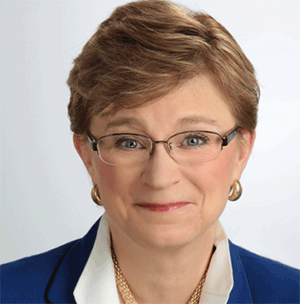
Lorraine M. Martin
President and CEO
National Safety Council
Safety has changed so much over the years. From new technologies to previously unheard-of concepts and ideas, what safety is and means has shifted over time. But no matter how we define safety, we will always need leaders working to maintain it as a guiding value for their organizations. That’s what it means to be a CEO who “gets it.”
This year’s honorees have proven their adaptability and openness to new ideas and solutions. Across industries and around the globe, they have emphasized worker well-being, encouraged employees to use their voices and made safety the top corporate value – no matter what.
These seven CEOs are not afraid to challenge the status quo. They don’t compromise when it comes to safety because they understand that by doing things safely, they are keeping people healthy and saving lives.
A CEO who “gets it” knows safety leadership must start at the top. Bob Pragada, with Jacobs, has driven his company to emphasize the importance of psychological safety, creating a safe space for the entire workforce by sharing his own mental health experiences. Manjiv Vohra leads ECC, a global remediation and construction company, in a “whole self” safety program that targets physical and mental health as well as work-life balance.
A strong leader also preserves the value of safety for all types of workers. They know everyone, regardless of status, deserves to make it home at the end of the day. Take Delaine Fowler of Accelerate Therapy and Performance, who has helped prevent injuries by placing physical therapists and athletic trainers in workplaces. Similarly, Lt. Gen. Scott Spellmon of the U.S. Army Corps of Engineers included contractors and partners as he developed and implemented a safety and occupational health management system that has become the standard across the entire Army.
At AtkinsRéalis US Nuclear, Jim Rugg is involved in safety every step of the way, participating in safety walkarounds, encouraging employees to speak up about safety concerns and personally recognizing safety award winners.
Finally, a CEO who “gets it” always has safety top of mind. Greg Hass of Valley Construction Co. has a motto that reveals the depth of his commitment: “No expense is too high when it comes to lives and safety.” By establishing a safety council and adopting a safety-first mindset, Robert Pyle, with Graham Packaging Co., has fostered a culture where every employee values safety above all else.
By finding new solutions, creating stronger cultures and engaging workers, these seven exceptional leaders have made people safe – and saved lives. Their dedication to the value of safety is truly inspiring.
On behalf of the National Safety Council, congratulations to all the 2024 honorees.
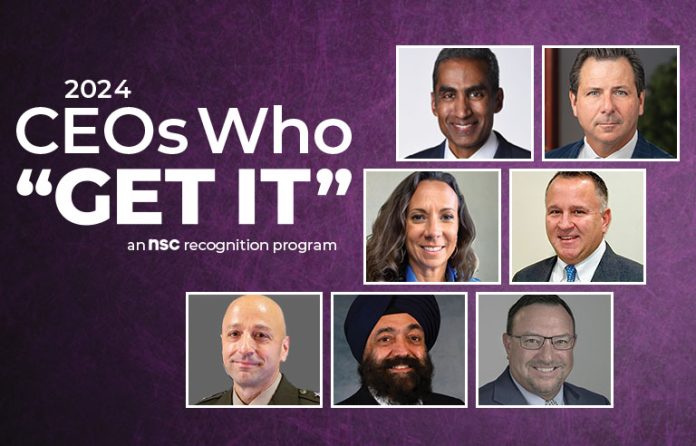
Browse individual CEO profiles by clicking on a photo below or by pressing the navigation buttons at the top of each page.
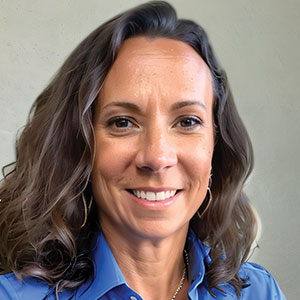 Dr. Delaine Fowler, DPT
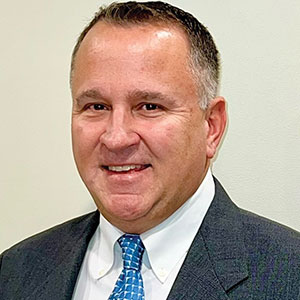 Greg Hass
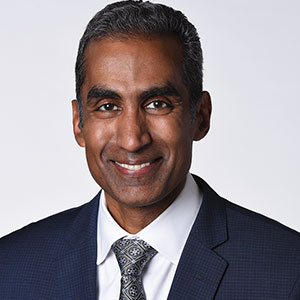 Bob Pragada
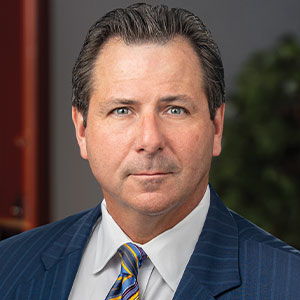 Bob Pyle
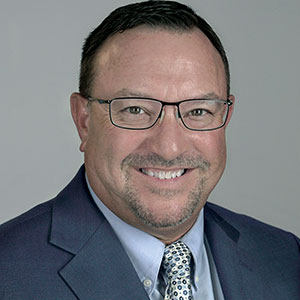 Jim Rugg
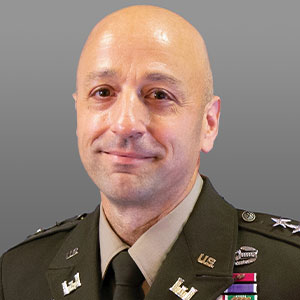 Lt. Gen. Scott Spellmon
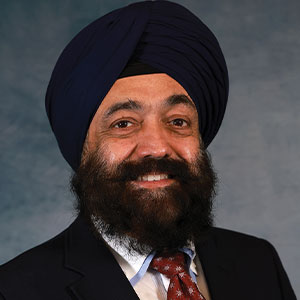 Manjiv S. Vohra, PE, DBIA
CEOs Who “Get It” through the years
Browse CEO picks from the class of 2015 through the present.
Dr. Delaine Fowler, DPT
President and CEO
Accelerate Therapy and Performance
Salisbury, NC
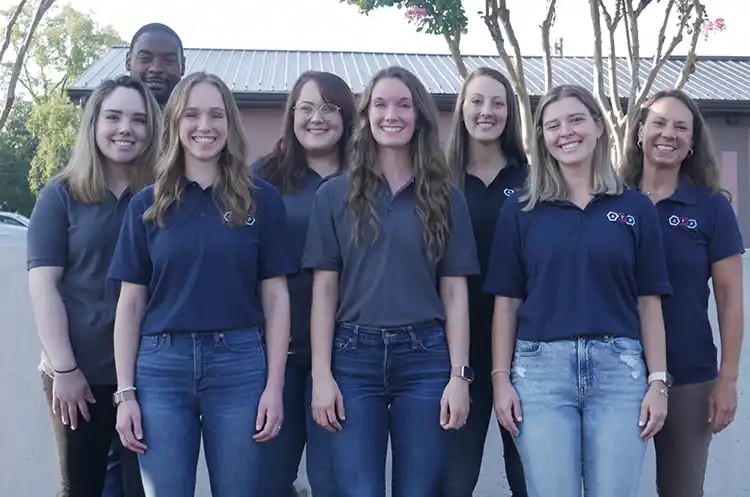
Accelerate Therapy and Performance is a pioneering firm specializing in injury prevention consulting and physical therapy. The firm collaborates with corporations to significantly reduce injury rates by serving as frontline health care providers, specifically addressing work-related stress. Through its dual model of care and coaching, Accelerate Therapy and Performance aims to decrease workplace injuries and enhance employee satisfaction and retention.
Describe your personal journey to becoming a CEO who “gets it.”
My journey toward becoming a leader who “gets it” has been enlightening and challenging. Early in my career, I observed a significant gap in how employers approached employee well-being. Traditional models often saw human resources and safety departments working in silos, rarely leveraging insights and communications from their most valuable asset – the employees themselves.
My pivotal realization occurred while serving as a consultant in response to significant workplace injuries. Clients sought advice on ergonomic adjustments post-incident, but I recognized a more profound need: a proactive, knowledgeable health care approach that understands workplace movements akin to athletic movements. This insight led to the development of programs focusing on individual employee wellness rather than just production metrics. Our ethos centers around the belief that happy, healthy employees are safer, more engaged and more productive.
However, my path to leadership was more than just defined by focused passion. Embracing the adage that “leaders are made, not born,” I transformed my small PT practice – founded in 2008 – into what Accelerate is today. It wasn’t until 2016 that we crystallized our values, vision and mission, marking a turning point in our journey. From just six employees in 2016, we’ve grown to over 90 this past year. This growth is a testament to aligning our hiring and operational strategies with our core values.
Leadership at Accelerate isn’t about top-down directives; it’s about nurturing a culture in which every team member aligns with our mission. In our leadership meetings, the atmosphere is electric, with energy and commitment. My team brings forward opportunities and solutions, not problems and demands. This culture has been pivotal in achieving our goal of reducing workplace injuries while enhancing employee satisfaction and retention.
In summary, my journey to becoming a CEO who “gets it” was shaped by recognizing the need for a holistic, proactive approach to employee well-being; aligning our organizational mission with our everyday practices; and fostering a leadership culture that values solutions and alignment with our core values. This journey has not been just about personal growth but also about creating a sustainable, positive impact in the realm of workplace health and safety.
Why is safety a core value at Accelerate Therapy and Performance?
At Accelerate, safety is not just a policy; it’s interwoven into the very fabric of our organization. It reflects our unwavering dedication to the health and well-being of our employees, reflecting our belief that a safe workplace is fundamental for a highly productive and satisfied workforce. Drawing inspiration from our “industrial athletes” concept, we emphasize the importance of safety beyond prevention – it becomes a linchpin of professional excellence. This stance builds trust with our clients, showcasing our expertise in injury prevention and workplace wellness, perfectly aligned with our strategic objectives. A safe workforce translates to lower absenteeism, reduced turnover and an enriched company culture – crucial for attracting and retaining top-tier talent. Thus, safety is more than a policy at Accelerate; it’s a cornerstone of our identity and success.
What’s the biggest obstacle to safety at Accelerate Therapy and Performance?
Addressing the challenge of fostering a sense of community and connection within our largely remote workforce is paramount, especially for upholding our high safety and wellness standards. To achieve this, we employ a multifaceted approach. First, we leverage technology for effective communication through virtual meetings and digital platforms, facilitating discussions and providing consistent safety education and resources. Our communication structure ensures all team members, regardless of location, have access to crucial information and feel included in the company culture.
Additionally, we place great emphasis on personal check-ins and one-on-one sessions. These interactions go beyond work-related topics, delving into individual well-being and any specific challenges faced in a remote setting. It’s a practice that ensures every employee feels heard, valued and supported.
We organize engaging virtual team-building activities and workshops to enhance team cohesion and connection, centered around our core concept of “industrial athletes” – promoting a shared understanding and commitment to health and safety.
Moreover, we’ve successfully integrated small group projects with clearly defined goals within quarterly time frames. These projects not only foster collaboration and a sense of purpose but also help build interpersonal relationships and accountability among remote team members. The small group setting allows for more meaningful interactions and a stronger sense of belonging to the team and the company.
Finally, encouraging peer-to-peer connections through our mentorship group has been instrumental. This strategy provides additional support and camaraderie, crucial for a remote workforce.
Through these combined efforts, we are dedicated to building a strong, cohesive and safety-conscious remote workforce at Accelerate.
How do you instill a sense of safety on an ongoing basis?
Cultivating a robust safety culture is a perpetual and dynamic commitment deeply embedded in our organizational ethos. Our approach encompasses regular, comprehensive education and training programs, ensuring safety awareness is not a singular event but an ongoing dialogue. Emphasizing open communication, we actively nurture an environment where employees are empowered to openly discuss safety concerns. This commitment is reinforced through frequent feedback sessions and surveys designed to swiftly address emerging issues. Leadership plays a crucial role in setting the safety standard, exemplifying unwavering commitment to adherence.
Additionally, our peer-to-peer safety initiatives foster collective responsibility, ensuring safety is a shared concern among all team members. As part of our strategy, we actively recognize and reward safe practices, contributing to the solidification of a positive safety culture throughout our organization. We consistently evaluate and refine our safety protocols, drawing valuable insights from any incidents to continuously enhance our practices. Recognizing the integral role of mental well-being in overall safety, we advocate for a harmonious work-life balance, offering resources and flexible work options. This holistic approach extends not only to our internal operations but also to our clients, ensuring our unwavering commitment to safety permeates every facet of our business. Through the integration of these practices, we cultivate a secure and healthy environment for our employees and the services we deliver, solidifying our position as a safety-focused leader in our industry.
How does Accelerate Therapy and Performance measure safety?
We measure safety through a multifaceted process involving quantitative and qualitative indicators. Our approach to safety measurement is designed to provide a comprehensive view of our safety culture, operational practices and the effectiveness of our safety initiatives.
- Incident rates. We track the frequency of workplace incidents and injuries. Incidents include minor and major incidents, providing us with a clear picture of the frequency of safety-related issues. A lower incident rate typically indicates a safer work environment.
- Near-miss reporting. We encourage reporting of near-miss situations, where an incident could have occurred but was averted. This proactive measure helps us identify potential hazards before they result in actual harm.
- Employee safety surveys. Regularly conducting surveys enables us to assess employee perceptions and attitudes regarding safety. This feedback is crucial for understanding the effectiveness of safety policies that are being understood and followed.
- Safety training completion rates. Monitoring the completion rates of our safety training programs allows us to ensure all employees are up to date with the necessary knowledge and skills to maintain and manage a safe work environment.
- Safety audits. Regular safety audits of our processes and work environments help us identify areas of noncompliance or potential risks, allowing for timely corrective actions.
- Engagement in safety programs. Additionally, we measure employee engagement in safety initiatives that include participation in safety committees or contributions to safety discussions.
In terms of areas for improvement, we are continually looking to enhance our remote safety measures. As a significant portion of our workforce operates remotely, developing more effective ways to monitor and ensure their safety is a key concentration. This focus includes improving our virtual training methods, finding innovative ways to conduct remote safety audits, and enhancing communication channels to ensure remote workers feel as integrated and informed as in physical workplaces.
By continuously monitoring these indicators and being open to evolving our strategies, we strive to maintain and constantly elevate the standard of safety within our organization, ensuring a healthy and secure environment for our employees and clients.
What roles do off-the-job safety, mental health and well-being play in Accelerate Therapy and Performance’s overall safety program?
We proactively incorporate off-the-job safety and holistic employee well-being into our comprehensive safety program, recognizing the profound impact they have on the overall health and effectiveness of our team.
In addressing off-the-job safety, we go beyond the workplace, providing resources and training relevant to our employees’ everyday lives. This includes guidance on maintaining ergonomic practices at home, promoting safe driving techniques and offering general injury prevention tips for personal activities. Our aim is to instill a culture of safety that transcends professional boundaries, ensuring our team members are safe, healthy and equipped to excel not only in their work but in their daily lives.
Holistic well-being is a fundamental pillar of our approach to employee health. Instead of simply offering mental health days, we conduct monthly meetings focused explicitly on employee well-being. These sessions cover a wide range of topics, spanning from managing workplace stress and enhancing physical health to addressing financial wellness, managing personal relationships, practicing self-care and more. By providing a platform for education, open discussion and support, we empower our team to navigate the multifaceted challenges of both their professional and personal lives.
In addition to these proactive measures, we have implemented an employee assistance program that offers confidential access to professional counseling and support services. This program is essential for addressing mental health concerns and ensuring our employees have the necessary support to thrive both in and out of the workplace.
Our commitment to safety and well-being at Accelerate is comprehensive and positive. By focusing on physical, emotional and mental aspects of health, we cultivate a work environment that is not only supportive but also resilient, benefiting our entire team.
Greg Hass
President
Valley Construction Co.
Rock Island, IL
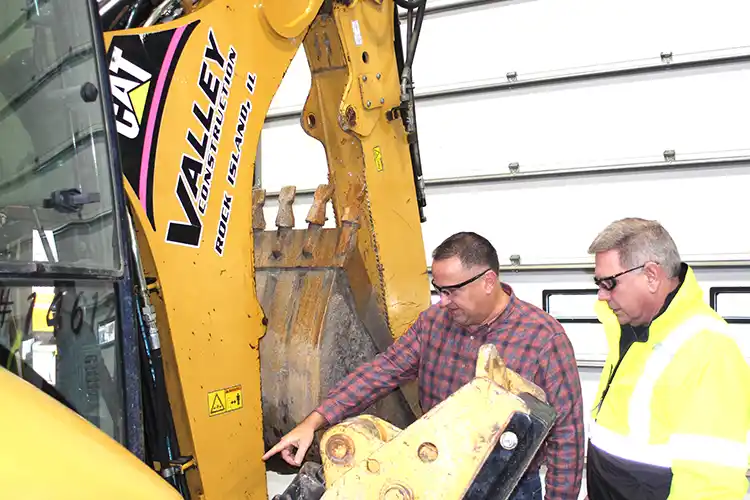
Valley Construction was founded in 1925 in Davenport, IA, as a small gravel sidewalk construction company. Nearly 100 years later, the company has ventured into large scale heavy civil construction. Valley performs interstate asphalt and concrete paving, underground water and sewer utilities, commercial and industrial buildings, demolition, and earthwork. It also specializes in construction in the nuclear and railroad industries.
Describe your personal journey to becoming a CEO who “gets it.”
My personal journey to becoming a CEO who “gets it” has been an ongoing process of learning and growing. It began when I was first hired at the company, where I quickly realized that safety was not a core value in our industry. Even within our own company we experienced numerous preventable incidents and fraudulent claims that caused costly losses. As I worked my way up from being a field worker, I noticed unsafe practices and watched other workers get hurt. Later in my career, when I was in upper management, our industry was experiencing a high rate of serious or fatal incidents in our same geographical work area. Luckily, it didn’t include any of our employees. At my direction, our company switched to a proactive approach. We jumped in with both feet and hired a safety professional to cut – and work toward eliminating – any future losses and to, hopefully, prevent any injuries or a loss of life.
My understanding of safety grew more as I worked with our new safety manager to develop policies and procedures that would ensure everyone went home safely and in one piece each day. We also worked to totally revamp and change our culture into a safety-first mindset. Eventually, we formed a safety committee with members from a broad range of company departments and work types to help give us a second set of eyes on our program and get complete buy-in. With the implementation of our safety programs and prevention, we’ve gone from being a firm with a high rate of incidents to virtually zero incidents year after year.
Why is safety a core value at Valley Construction?
Safety has not always been a core value within our company. In the early 1990s, we took safety on in full force and made it a core value. At this time, there were too many workers’ compensation claims and preventable losses, which had to be eliminated. A lot of these claims were later determined to be either fraudulent or preventable. As such, an ever-climbing experience modification rate, lost workdays and rising premiums necessitated a change in our approach toward safety.
We have since taken great steps to ensure everyone goes home safely at the end of their workday by empowering employees and giving them a say in their own safety (through safety committees), as well as encouraging hazard recognition through tools such as safety pre-hazard analysis at the beginning of each day. We also start every meeting or event with an emphasis on safety (look ahead meetings, company kickoff events, etc.). This is done not only for compliance purposes, but also serves as a reminder that policies are written “in blood.” Thus, providing motivation for everyone not to cut corners – even when no one is watching them.
Taking care of employees’ well-being has become part of how we operate. Having clear policies regarding worker rights to a safe environment all the way up to making sure everyone understands why following those rules should remain a top priority even without supervision present all go hand in hand toward achieving better outcomes when it comes down to ensuring overall workplace health and safety.
What’s the biggest obstacle to safety at Valley Construction?
Our subcontractors and suppliers are an integral part of our construction projects, but it’s not always guaranteed that they’ll adhere to the safety practices we advocate for. Trying to find companies to contract with that follow our core safety values sometimes can be an obstacle to our safety milestones and goals. To ensure compliance with OSHA and American National Standards Institute guidelines, as well as our own safety regulations, we’ve incorporated provisions into all our subcontracts requiring strict adherence to these standards. Despite this measure, complacency can be a concern with these companies that are not 100% safety driven.
To address this issue effectively requires more than just contractual agreements; it necessitates consistent reinforcement of safety protocols through reminders, coaching sessions and pre-project planning meetings where expectations are clearly outlined prior to commencement. In addition to these measures, we also make sure that everyone involved in each project knows our strict stance and commitment to safety. Unsafe workers – and even companies – who don’t want to follow our protocols and “work safe” mentality are also removed from our jobsites.
How do you instill a sense of safety on an ongoing basis?
Constantly measuring safety in the workplace is paramount to a successful business. Employers must ensure their employees are safe from potential harm while on the job, and there are several initiative-taking steps our company takes to do this. One of these steps is looking for warning signs that could indicate a problem before it becomes an injury or loss. Examples of such indicators include monitoring for personal protective equipment compliance, such as eye and hand protection, full jobsite safety inspections for compliance, and tracking our loss rates, along with any temporary reassignments of duties tied to losses. Keeping a good eye on our EMR also helps as a key indicator as to how we are succeeding with safety.
Although these initiative-taking measures are important in keeping workers safe on the jobsite, one area where improvement is needed is getting everyone’s buy-in when it comes to taking safety to the next level. When your company has one of the lowest EMRs in the industry, incidents don’t happen and you experience zero losses for a work season, so employees tend to sometimes think that the work is done. As a company, we have always believed that safety has no end, and that we can always do more and constantly adapt as our world and environment changes to stay safe.
What roles do off-the-job safety, mental health and well-being play in Valley Construction’s overall safety program?
We believe that our safety culture and mindset at work carries home each day with our employees. If you’re safe in our shop, hopefully you’re safe in your own garage at home. We also preach that a good physical body and healthy mind while away from work benefits everyone the next day at work. Our company also offers employee assistance programs for any type of after-hour issues that may arise with our workforce. When suicides were high in our industry a few years ago, I gave out my cellphone number to all our employees and told them to call if they ever needed someone to talk to during troubling times. Any loss of one of our teammates is a loss to the entire team. Keeping a sharp-minded, well-fit and happy workforce is a good recipe for success.
Bob Pragada
CEO
Jacobs
Dallas, TX
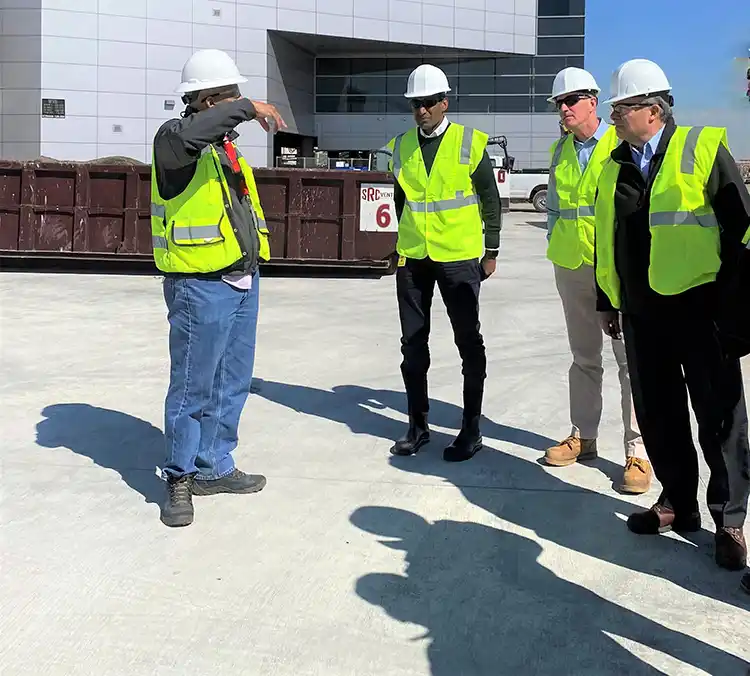
With approximately $16 billion in annual revenue and a talent force of more than 60,000, Jacobs provides a full spectrum of professional services, including consulting, technical, scientific, and project delivery for the government and private sector. Jacobs helps make the world smarter, more connected and more sustainable, supporting better outcomes for critical infrastructure, advanced manufacturing, cities and places, energy and environment, health and life sciences, national security, and space.
Describe your personal journey to becoming a CEO who “gets it.”
Safety leadership has defined my 33-year career, from my service as a Naval officer beginning in 1990 to my current role as Jacobs’ CEO. During my time in the Navy, I led teams responding to devastating crises where I was able to hone values such as caring for others, building resilience and leading from the trenches – things that shaped my leadership approach and style forever. My commitment to safety was further solidified as the facilities director for Camp David, where my remit was to safeguard the security of the president and his family.
These personal values would go on to shape my leadership as a civilian. Since joining Jacobs in 2006, I’ve consistently fostered a people-first culture of engagement – “walking the talk” on safety – and played a central role in developing our industry-leading BeyondZero Culture of Caring. At the core, my approach is a steadfast emphasis on the essential role that leaders at all levels play in fostering a culture of genuine engagement.
Improving safety and well-being requires collective commitment, resources and expertise – what I like to call “the power of we.” In setting an example, we always open our global town hall meetings with a Culture of Caring safety message as a reminder that the success of our company depends on our individual personal involvement with safety. My passion for partnering with organizations such as the National Safety Council, clients, supply-chain vendors and competitors alike is a testament to our mission of making our world a safer, healthier place and ensuring the focus on safety and well-being remains at the backbone of our company strategy.
Why is safety a core value at Jacobs?
It’s been a foundational core value going back to Joe Jacobs, the founder of our company, and his philosophy that “if you can’t lead safety, you can’t lead.” Even though we had an existing strong foundation and reputation, we wanted to be great. So, in 2007, we launched our BeyondZero Culture of Caring initiative, which is our approach to the health, safety and security of our people; the protection of the environment; and the resilience of our organization – reaching beyond the boundaries of the workplace and into our homes and the communities we serve. Continually nurtured and reinforced over the past 16 years, that mindset is now engrained in our DNA and remains a guiding principle in our overall company strategy and how we respond during major events and crises.
What’s the biggest obstacle to safety at Jacobs?
Jacobs’ greatest challenge in recent years has been to proactively mitigate the impact of external factors on mental health and the well-being of our employees while concurrently fostering an environment that optimizes human performance. The undeniable impact of the COVID-19 pandemic, rising violence and hate crimes, natural disasters, political unrest, global armed conflicts, and other significant stressors has been exacerbated by limited in-person opportunities with our colleagues because of the widespread adoption of work-from-home and/or hybrid working arrangements.
Addressing these challenges has been one of our primary focal points over the past five-plus years, with initiatives such as our Mental Health Matters program, One Million Lives tool and activities, Jacobs Employee Networks, and our Action Plan for Advancing Justice and Equality – which includes funding for other organizations that align with our vision for advancing underserved communities. We aim to have a positive impact on our people no matter what is happening in the world, in our communities or at home. Jacobs strives to provide an environment and support for the overall well-being of our employees.
How do you instill a sense of safety on an ongoing basis?
Our BeyondZero Culture of Caring begins during our hiring and on-boarding process. We deliberately seek people who share our passion for caring for others, especially those in leadership positions. Once a candidate selection is made, even before their first day, we begin integrating them into our overall culture training program. Once on board, we have multiple touch points and opportunities to solidify and validate our Culture of Caring, including our Navigators program, where new hires are assigned someone to help them learn our systems and tools.
Across the company we also have more than 2,000 positive mental health champions. These trained volunteers are integrated globally and work to provide a shoulder and guidepost for others and the many support services Jacobs offers. There are also a range of everyday activities. For example, at Jacobs, we seek to have every meeting start with a Culture of Caring moment – a short communication activity that creates a safe space to discuss topics such as safety, security, well-being, inclusion, quality or innovation. We use this approach so any person can play an instrumental role in instilling a sense of our culture across their teams and among colleagues.
How does Jacobs measure safety?
Our primary measure is the traditional total recordable incident rate and days away rate to gauge trends in incidents. Our more proactive leading indicators are our BeyondZero Observations (BZO) – our term for a safety observation report in which we review the correlation between incident rates and BZOs, and our leadership engagements. When BZOs and/or leadership engagement activities go down, we see this as a predictor of more incidents in those locations and can assess if an increase in leadership engagement is needed. Jacobs also has a range of risk-based governance activities that aim to identify and monitor operational activities with an elevated risk profile through an established audit program.
To continually improve our health and safety risk management approaches, we are increasing our focus on activities that have a potential for elevated risk that could potentially cause the greatest harm. As we transform our company and our operational risk profile changes, we seek to continue to integrate safety in design and human performance considerations with activities risk to health, security safety, environment and security.
What roles do off-the-job safety, mental health and well-being play in Jacobs’ overall safety program?
It’s a critical piece. We have launched a holistic global well-being strategy centered on physical, emotional, financial and social health, understanding that our people must feel supported in all four pillars to best be able to produce the most creative and innovative solutions for our clients.
We’ve greatly expanded our employee assistance services to include 24/7 access to professional support, which is multimodal to “meet people where they are” and how they prefer to communicate.
Our positive mental health champions are also available outside of the offices, able to intervene and engage with people in their homes to help them feel better mentally and more prepared to work safer.
Bob Pyle
President and CEO
Graham Packaging
Lancaster, PA
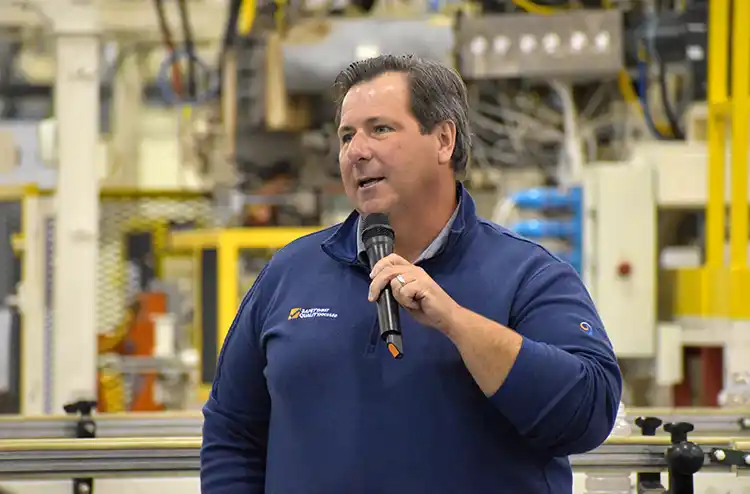
A worldwide leader in the design, manufacturing and sale of technology-based, customized rigid plastic containers, Graham Packaging provides safe, attractive and sustainable packaging for a variety of industry-leading consumer brands. Headquartered in Lancaster, PA, with a flagship manufacturing facility in York, Graham Packaging produces approximately 16 billion containers annually across nearly 65 plants in North America, Europe and South America.
Describe your personal journey to becoming a CEO who “gets it.”
The most transformative experience for me was as a plant manager in the heavy manufacturing industry. I saw those people face to face every day and was directly responsible for them. I still feel personally responsible for the safety of every single person at Graham Packaging. I’ve done business in more than 30 countries, and you see different stages of the safety journey – the good and the bad. Among all our priorities at Graham, the well-being of our people is paramount.
Why is safety a core value at Graham Packaging?
“Safety first” is a core value at Graham and ties into our strategic pillar of “Our people are our greatest competitive advantage.” We have integrated safety into our culture to ensure it becomes an intrinsic part of our operations, guiding decision-making at all levels. We fundamentally believe that everyone deserves to return home safe each day and that every employee has a responsibility to themselves and to each other to ensure our whole team stays safe.
What’s the biggest obstacle to safety Graham Packaging?
The biggest obstacle to safety at any company is complacency. To overcome it at Graham, we prioritize continuous training, engage employees in safety discussions and conduct regular safety audits. More importantly, however, we foster a “safety first” culture that encourages learning and reporting, ensuring a proactive approach to addressing potential hazards and building a workplace where everyone looks out for each other. We believe that if we do the right things, all incidents are preventable. We are continuously working toward a “target zero” goal of no incidents.
How do you instill a sense of safety on an ongoing basis?
Our Safety First, Quality Focused initiative is a vital and vibrant part of who we are at Graham. We cultivate a “safety first” mindset through ongoing training, communication and recognition of safe behaviors. Open dialogue, commitment from leaders and empowering employees to actively participate in safety initiatives all create a collective commitment to a secure work environment. Additionally, to keep safety at the forefront of all we do, we begin every meeting with a safety moment to remind our staff that the safety of our people is our top priority.
How does Graham Packaging measure safety?
Safety is measured through both leading and lagging indicators such as near misses, safety training completion rates and proactive hazard reporting. As part of our recent internal Safety Perception Survey, Graham rated very well versus our peers. The survey showed that our employees understand and practice our safety standards and have internalized “safety first” as a personal value to look after themselves. Our biggest opportunity is to further expand our safety culture, whereby everyone looks out for each other’s safety.
What roles do off-the-job safety, mental health and well-being play in Graham Packaging’s overall safety program?
Off-the-job safety and mental health are integral to our overall safety program. We provide resources and support for employees’ well-being beyond the workplace, recognizing the interconnectedness of personal safety and mental health with on-the-job performance. This holistic approach strengthens our commitment to a safe and healthy workforce. We emphasize staying safe in and out of the workplace through the “Who Do I Work Safe For?” initiative, which reminds staff that safety doesn’t begin and end on our doorstep – it is a choice each day that affects loved ones, too. In addition to physical health, we also address mental health through a variety of programs, including our 2023 Mental Health Awareness Month celebration, reminding employees they are not alone and are supported in their mental health journeys.
Jim Rugg
President
AtkinsRéalis US Nuclear
Oak Ridge, TN
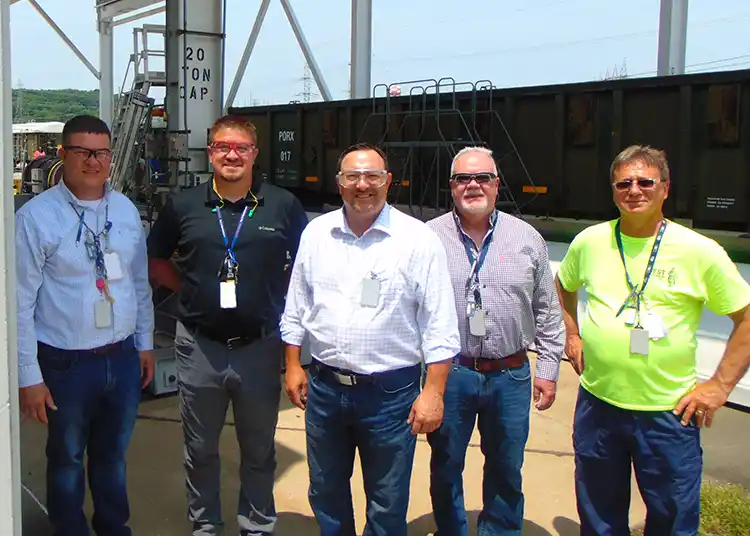
AtkinsRéalis is one of the world’s most respected design engineering and project management consultancies. Its US Nuclear Sector is a leading provider of specialized, technology-based, facility-cleared and other nuclear services to government customers, with strengths in nuclear operations, process design engineering, waste management and high-level waste technologies. For more than 27 years, AtkinsRéalis US Nuclear and its predecessor companies have solved some of the Department of Energy and National Nuclear Security Administration’s toughest cleanup and decommissioning challenges.
Describe your personal journey to becoming a CEO who “gets it.”
My journey to becoming a CEO is quite unique. My early career began in environmental, safety and health, where I learned leadership principles and how to positively influence the right behaviors. This position set the stage for how I wanted to lead teams. Through this experience, I learned that to be successful, you must be present every day and have meaningful conversations with every member of the team. Some of the most hazardous parts of the job are when people are left to decide what to do on their own. I built a foundation that incorporates the ideas of others to build a strong safety culture. I was the project manager when we achieved over 28 million hours without a lost-time injury. My leadership team and I focused on being in the field, observing, listening and doing everything we could to enable success for our workforce.
A CEO who “gets it” must also possess certain qualities and attributes. I had to be a strategic thinker with a clear vision, hold strong leadership and people skills, and prioritize building high-performing teams while fostering a positive company culture.
I learned the hard-earned skills of resilience and adaptability from setbacks that developed my ability to persevere in the face of challenges. My personal journey taught me to embrace failure and that taking calculated risks is vital for innovation and growth to an individual and to an organization. Ethical leadership is crucial, and I learned to prioritize ethical decision-making and consider the impact of my actions on stakeholders. Additionally, my commitment to continuous learning and self-improvement was key for me to be an effective leader. Effective leadership means understanding the value of empathy and emotional intelligence in building strong relationships with employees, customers and business partners. I believe that giving back to the community is a social responsibility and should be a big part of the company’s mission. Finally, although being a CEO often requires significant dedication, CEOs who “get it” understand the importance of maintaining a healthy work-life balance to avoid burnout and set a positive example for their employees. Everyone must take time to revive and recover in order to thrive.
Why is safety a core value at AtkinsRéalis US Nuclear?
Safety must always be a fundamental principle at any organization, particularly given the nature of the work we do. It serves to safeguard our personnel, fulfill legal and ethical responsibilities, boost productivity and morale, enhance reputation and trust, reduce costs, and contribute to long-term sustainability.
At AtkinsRéalis, safety is not merely a priority but a foundational core value that steers all our endeavors, from daily operations to long-term strategizing. We recognize that safety is indispensable for success and are committed to upholding the highest standards to ensure the safety, security and well-being of everyone within our company. Every day, we center our efforts on our core values, which reflect how we interact, communicate and conduct ourselves internally, as well as how we engage with our clients and stakeholders. Our core values:
Safety – We place safety at the core of our activities to protect individuals, assets and the environment.
Integrity – We consistently do the right thing and hold ourselves accountable for our actions.
Collaboration – We unite to embrace each other’s unique contributions, delivering outstanding results for all.
Quality – We strive to do everything right the first time, minimizing rework and maximizing efficiency. We follow procedures, identify and current issues, and monitor trends to avoid repeating the same mistakes. We focus on continuous improvement and document lessons learned to provide value.
Innovation – We redefine engineering by thinking boldly, proudly and differently.
What’s the biggest obstacle to safety at AtkinsRéalis US Nuclear?
In 2021, following the COVID-19 pandemic and the return of employees to the workplace, we made the decision to introduce a psychological safety initiative. Through conversations with our staff, it became apparent that our company needed to place a greater emphasis on prioritizing psychological safety to improve communication, trust and stress management; eliminate the fear of speaking up; and benefit from the positive effects phycological safety has on team dynamics, productivity, creativity and innovation. Our goal was to establish an environment where employees feel psychologically secure, enabling them to openly communicate about potential safety concerns, near misses and actively participate in safety protocols. The absence of psychological safety can result in individuals being hesitant to express their concerns or share crucial information, which could impede our ability to effectively recognize and address safety issues and become aware of great ideas. Therefore, nurturing psychological safety within our organization was imperative in establishing a workplace culture where safety is given priority and actively upheld.
How do you instill a sense of safety on an ongoing basis?
Nurturing a culture of safety among employees is an ongoing endeavor that incorporates a variety of fundamental tactics:
Thorough training: We deliver comprehensive safety training programs designed to furnish employees with the knowledge and skills necessary to recognize and address potential hazards. Mandatory job-specific training is provided, and we offer access to over 100 online safety training resources as well as more than a dozen mental health-related courses in our organization’s Learning-Zone for employees seeking further instruction. We firmly believe in strengthening employee development and are committed to covering the costs of certifications and additional training.
Open communication: We actively promote open dialogue and feedback on safety concerns and employee suggestions. We have established communication channels for employees to express observations and propose enhancements. Our Good Catch Program was established to promote a proactive approach to identifying unsafe conditions, behaviors and process improvements. Submissions to this program lead to the detection and mitigation of hidden and active weaknesses throughout the workplace. Taking action to prevent issues before they arise is a critical aspect of maintaining safety as a top priority. In 2023, we received 110 Good Catch submissions. Additionally, we have a dedicated website and email address called “Ask Jim,” where I take the time to personally respond to each question.
Culture of safety: We cultivate an environment where safety is the concern of every individual, and we acknowledge and reward both individuals and teams for their dedication to upholding a secure work setting. We have implemented two reward programs to encourage safety awareness: the WOW award for outstanding contributions and gift cards for Good Catch submitters.
Continuous enhancement: We routinely evaluate and revise our safety protocols and programs to address new obstacles, industry guidelines and advancing best practices.
Setting the standard: Our leadership leads by example by actively showcasing a commitment to safety and establishing a high benchmark for employees to follow.
By integrating these components into our daily operations and endeavors, we ensure safety continues to be a primary focus of our organizational culture, fostering a positive atmosphere for all employees.
How does AtkinsRéalis US Nuclear measure safety?
AtkinsRéalis US Nuclear has developed an integrated safety management index for monitoring both leading and lagging indicators. Each year, specific metrics are identified for tracking, with each metric being assigned a weighted score. The leading indicators that are monitored include:
Good catch/near-miss reporting, which is used to assess potential hazards and prevent future incidents.
Safety training participation, which is tracked to ensure employees are actively engaged in following safety protocols.
Employee surveys, conducted twice a year to evaluate employee perceptions and identify areas for improvement.
Corrective actions and condition reports, used to identify, document and rectify conditions that pose risks to health, safety, the public or the environment, as well as potential vulnerabilities.
Regular completion of safety inspections and assessments.
Behavior interaction program, which involves recording conversations with individuals or teams during work activities. The BIP is aimed at engaging management and employees in daily activities to enhance safety performance, recognize safe behaviors, identify trends and prevent future incidents.
As part of our ongoing improvement efforts, the safety team has acknowledged that our Lessons Learned Program is not being used to its full potential. This year, we will be launching an initiative to overhaul the program. This will involve introducing updated forms and establishing an online lessons learned library featuring keyword search functions, with the goal of promoting the sharing of lessons across different projects and operations.
What roles do off-the-job safety, mental health and well-being play in AtkinsRéalis US Nuclear’s overall safety program?
The safety and mental health of our employees are crucial aspects of our organization’s comprehensive safety program. Our dedication to off-the-job safety involves various initiatives aimed at encouraging employees to prioritize safety in their daily lives, whether at home, during their commute, while engaging in activities or at work. We actively promote safety practices outside the workplace by addressing home-related safety topics, maintaining regular communication and incorporating employee-suggested topics into our newsletters. By encouraging safe habits beyond the workplace, our goal is to mitigate injuries and incidents that could adversely affect the well-being of our employees. AtkinsRéalis places a strong emphasis on mental health and well-being by offering training, resources, support and awareness programs that advocate mental wellness and resilience. To further support our employees, we have established a partnership with ComPsych to deliver a comprehensive employee assistance program that is accessible to employees, their spouses and dependents. This program includes six free consultations per individual per issue and provides 24/7 access to a health advocate for mental health benefits.
We joined forces with the National Council for Behavioral Health to deliver comprehensive training in mental health first aid. Through a four-hour course hosted by NCBH, participants acquired the skills to recognize, comprehend and respond to signs of mental health issues. This initiative empowered individuals to offer support to their colleagues, family members and friends, fostering a workplace environment that prioritizes mental well-being and compassion, thereby enhancing our organization as a whole. Additionally, participants gained insights into caring for their own well-being – both at work and at home – and developed an action plan for addressing non-crisis and crisis scenarios. As a result, AtkinsRéalis US Nuclear now boasts 26 certified mental health first-aid responders. Furthermore, our annual Safety Week serves as a platform for encouraging employees to contribute to a psychologically safe work culture as an integral part of their daily routines. This weeklong campaign featured various activities and exercises designed to demonstrate how individuals can positively influence workplace interactions. Notably, the event in 2023 included a webinar on building trust, which focused on the principles of empathy, honesty and reliability. Together, we learned to embrace a work environment that values listening and learning, respects the input of all team members, promotes curiosity, and empowers everyone to actively contribute to creating a safe workplace.
Every year, we distribute several best-practice newsletters covering a range of topics, such as mental health, physical health and essential safety information. These newsletters feature the latest safety updates; advice on improving overall well-being; methods for integrating new strategies; and the benefits of practices such as yoga, meditation, healthy eating and enhancing personal connections. We understand that our employees are pivotal in driving positive change and play a crucial role in fostering a secure environment at AtkinsRéalis. Our pledge is to promote the health and welfare of our workforce and prioritize safety as a fundamental aspect of our operations.
Lt. Gen. Scott Spellmon
Commanding General, U.S. Army Corps of Engineers
55th Chief of Engineers, U.S. Army
Washington, D.C.
Our mission is to deliver public and military engineering services and partners to strengthen our nation’s security, energize the economy and reduce risks from disasters. The Army Corps’ major programs include civil works, military programs, and research and development. The civil works mission is to provide quality, responsive service to the nation and includes water resource development activities. USACE consists of 36,000 civilians and 800 military personnel stationed across the United States and in 130 other countries, providing reimbursable engineering expertise to the nation and throughout the world.
Describe your personal journey to becoming a CEO who “gets it.”
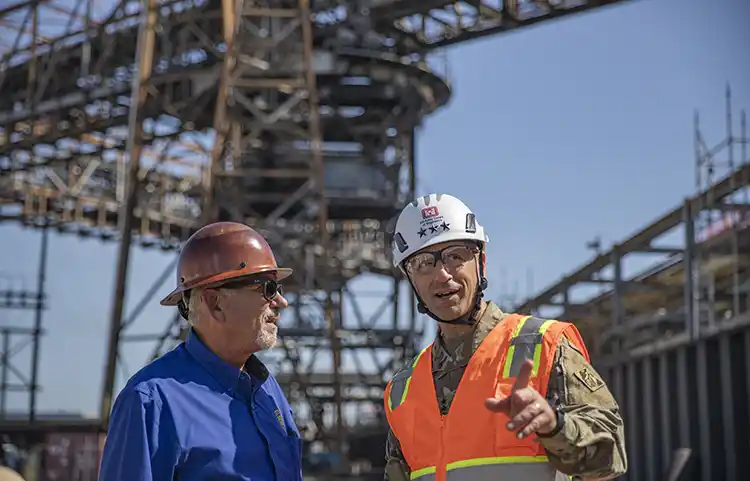
Safety is ingrained in the U.S. Army and in all our leadership development programs. We are taught the importance of safety in all that we do, from our time as second lieutenants to our time as lieutenant generals. In the early years of my career, I saw firsthand the profound influence a safety-oriented culture can have on both an organization’s success and its most valuable asset: its people.
Today, the U.S. Army Corps of Engineers is working to deliver its highest-ever workload in our 249-year history, and I was not proud of our safety performance during my first year as the chief of engineers. We were inconsistent in our application of safety basics on our many worksites across the globe.
We collectively had to reinforce that safety isn’t merely a checkbox, but a foundational element of effective leadership. As leaders, we must set conditions for success, which we define as safely delivering quality projects on time and within budget. If we’re not safe, we’re not meeting our mission.
Why is safety a core value at USACE?
Safety is a core value at USACE because we are about people. We owe it to our workforce to take care of them, and we owe it to our contractors to make sure they can go home and have dinner with their families. We recognize the well-being of our employees is paramount to our success. Beyond regulatory compliance, we view safety as a moral imperative and a strategic investment. A safe workplace not only protects our team members but enhances productivity, employee morale and our reputation as a responsible and caring organization.
What’s the biggest obstacle to safety at USACE?
I found that culture is the biggest obstacle – and this is rooted in the way people think. I also learned that we are not alone. On this journey, I spoke with the vice president at Boeing, and many CEOs of our construction industry partners who were on their own safety journey in their organizations. For USACE, it requires a change in thinking – and often, people are reluctant to embrace change. That can hinder the implementation of safety improvements.
I believe safety is a team sport. The women and men who come to work for U.S. Army Corps of Engineers must embrace our safety methodology, which is required by regulation and embraced by our leadership. This culture fully integrates safety and occupational health functions into all our business operations to ensure risk is managed properly and at the correct level.
This is all in service to reducing injuries and illnesses of our employees and contractors.
I believe a leader must visibly and consistently demonstrate their commitment to safety.
I prioritize sharing success stories and examples of how safety changes have positively impacted other units within our enterprise.
How do you instill a sense of safety on an ongoing basis?
We instill a sense of safety through a multifaceted approach. I consistently convey the significance of safety to my leaders every week through a reoccurring and real-time incident and injury dashboard. I’ve established the framework and provided motivation for leaders to implement and embrace a safety and occupational health management system. This initiative has notably changed our culture of safety, enhanced leader engagement and empowered employees to proactively identify and address potential hazards. Leading by example and integrating safety into our everyday operations reinforce the message that safety is not just a priority but a shared responsibility.
How does USACE measure safety?
At our organization, we measure safety through leading and momentum indicators such as near-miss reporting, proactive safety audits, continuous safety training and best practices, which help us anticipate and address potential issues before they escalate. We also use lagging indicators such as incident and injury trends and findings and recommendations from incident investigation boards briefed by local commanders. Room for improvement lies in enhancing our leading indicator systems and further integrating them into our overall safety strategy.
What role do off-the-job safety, mental health and well-being play in USACE’s overall safety program?
We recognize the well-being of our employees is critical within and beyond the workplace. We have trained and talented critical incident stress management response teams that are trained in psychological first aid to assist employees in reducing initial distress from traumatic events. The teams respond in record time anywhere in the world to help those in need increase their level of adaptive functioning and new coping skills. By addressing off-the-job safety and mental health, we aim to create a holistic approach that contributes to the overall safety and well-being of our team members, reinforcing safety is an imperative.
Off-the-job safety is important to us, as USACE is the leading provider of water-based recreation nationwide on all federally managed public lands and attracts 250 million visitors every year. To ensure the safety of our visitors, we conduct educational programs such as the Life Jackets Worn, Nobody Mourns campaign to teach the public safe and responsible ways to enjoy the waters. We integrate mental health outreach as an integral component of our overall safety program.
Manjiv S. Vohra, PE, DBIA
President and CEO
ECC
Burlingame, CA
Founded in 1985, ECC delivers construction, environmental remediation, contingency and disaster response, energy, munitions response, development, and fuels infrastructure solutions to solve its’ clients’ toughest challenges worldwide. ECC has successfully executed more than $13 billion in award-winning projects in 37 countries. Its professionals are in offices throughout North America, Europe, Asia/Pacific and Africa.
Describe your personal journey to becoming a CEO who “gets it.”
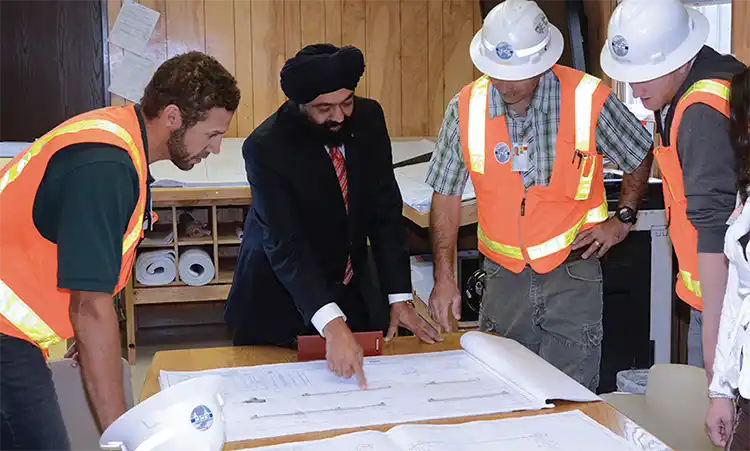
I have worked my entire career at ECC, joining straight from graduate school as a project engineer 36 years ago. I learned operations in environmental remediation and construction firsthand, and was very fortunate to have seasoned superintendents and safety officers who mentored me in regulations and best practices, from general housekeeping (“no trip hazards in the trailer!”), heat/cold stress and AHAs to chemical risks and transportation of hazardous waste.
A key part of safety for our projects in post-conflict areas is security. I personally led our construction and munitions program in Iraq in 2004-2005 and learned firsthand from excellent mentors the best practices and discipline required to ensure our people’s security.
When my career progressed to more senior oversight roles, I felt confident in knowing safety from the field perspective, and it allowed me to listen to and support our field staff so they could run a safe operation on every site.
Why is safety a core value at ECC?
Values are nonnegotiable and can’t be traded off with operational or financial considerations. ECC’s core value of safety states: “We value the safety, security, and wellness of our people and their families. We embrace healthy habits and behaviors. We plan and conduct our work in a manner that protects people, property and the environment.”
Our focus starts with the broader health perspective, including daily and periodic challenges that encourage healthful behaviors such as exercise, nutrition, hydration, sleep and proactive health checkups. We have an excellent mental health program that assists our employees as needed.
The “why” is very simple: We want everyone to go home safely to their loved ones each evening. And, once out of the work environment, to “take safety home” and use the principles and practices from work to safely do chores and activities in their personal lives. I’m always impressed when I see our people “do it right” outside of work, whether it’s defensive driving, properly using tools and ladders, or simply correcting others’ unsafe actions, such as tilting back on a chair in an unsafe manner.
What’s the biggest obstacle to safety at ECC?
Our clients trust us to solve tough challenges in difficult and extreme environments, such as post-disaster projects (e.g., California wildfires, Superstorm Sandy); hazardous, radiological or contaminated sites that require special safety measures to protect our workers and the public; clearing munitions and explosives of concern in civilian and post-conflict areas; or operating on remote or logistically challenging locations. Unlike industrial production, every project has a start and a finish, and typically has a newly formed team of managers, staff and subcontractors.
Job No. 1 for every project is to ensure all members are aligned on safety. We pre-screen subcontractors at the bidding stage for safety, then reinforce safety practices with selected subcontractors at the project kickoff stage. All project personnel are required to read, understand and sign off on the project health and safety plan, and we use a lot of positive reinforcement, particularly early on in each project, to help the team coalesce around safety.
We go above and beyond contractual requirements, applying for (and attaining) OSHA Voluntary Protection Program status on projects throughout the United States, from Maine to California as well as Hawaii and Guam. Programs such as the OSHA VPP help us reinforce safety procedures and identify/overcome challenges.
How do you instill a sense of safety on an ongoing basis?
Safety culture is like the air we breathe – we have to work hard to ensure it’s clean and life-affirming. We start by selecting the right employees: the ones who already have an appreciation of the critical importance of safety. More importantly, we refrain from hiring people with a dismissive attitude about safety irrespective of how well qualified they appear to be otherwise.
On this strong foundation, we engage our people on our safety culture with customized training programs, starting from Day 1. We want that safety mindset to be engrained into our everyday actions at work, home and play.
ECC’s corporate safety team is led by our director of safety and includes our executives. We collaborate on a regular basis to ensure the safety program is compliant, effective and innovative. Our executives directly communicate our safety philosophy to our people and trade partners when they visit offices and project sites.
One key aspect of our programs is that they’re meant to train, encourage and exhort – not to punish or demean. We find that this approach allows people to be creative and result-oriented in applying safety principles across many cultures and countries with a feeling of excitement and not fear.
>
How does ECC measure safety?
We use industry-standard metrics (DART, OSHA recordables, etc.); they’re useful for benchmarking, but are mostly lagging indicators of performance.
We use many leading indicators: cross-functional safety audits, incident reporting, analysis (erstwhile “near misses”), safety improvement ideas (“ECCOSLIP”) and Good Catch programs. We track data via our in-house PowerBI Platform to identify trends and implement proactive programs to target areas of concern. The analysis is “live” and available to employees on our intranet on a continual basis.
There is always room for improvement because we work in many high-risk areas and in many different cultures and countries. Two key areas are selecting, onboarding and developing subcontractors, as well as improving the health and wellness of our people, with a focus on proactive and preventive actions.
We seek out improvements on a continual basis, leveraging the OSHA VPP program, in which we have participated since 2007, as well as ISO 9001, which we have participated in since 2013. We also seek feedback and benchmarking on areas of improvement from our insurance partners, as well as various surveys such as those for our Top Workplace and Military Friendly Employers designations.
What role do off-the-job safety, mental health and well-being play in ECC’s overall safety program?
ECC promotes wellness and safety as a lifestyle. A happy, healthy and productive workforce means an integrated safety approach that extends into personal wellness and addresses the whole self, with many programs extended to spouses and families. Our robust wellness programs include physical and mental health, life-work balance, wellness seminars, employee resource groups, daily communication/contests through ECC’s Sonic Boom wellness platform, and free and confidential access to mental health assistance.
We help our people grow in their chosen areas with in-house programs on mentoring, leadership development, skills training and career development. For development outside the firm, we provide tuition assistance.
One of the key stressors for mental health is financial worry. We help with a generous compensation policy. We are one of the few firms in our industry to provide premium-free full coverage health benefits for our employees and their families. We have a compassionate personal time off program where all of us can donate unused PTO to help our co-workers who may have to take extended leave.
We have been recognized in multiple locations as a Top Workplace; designated Platinum in the HIREVets program; and named a Military Friendly Employer and a Cigna Healthy Workforce firm.