
Washington — How can Prevention through Design practices reduce or eliminate some of the construction industry’s most common hazards? A new toolkit from NIOSH is intended as a guide.
Prevention through Design, or PtD, is the process of designing work to remove hazards – “the most reliable and effective way to protect workers,” the agency says.
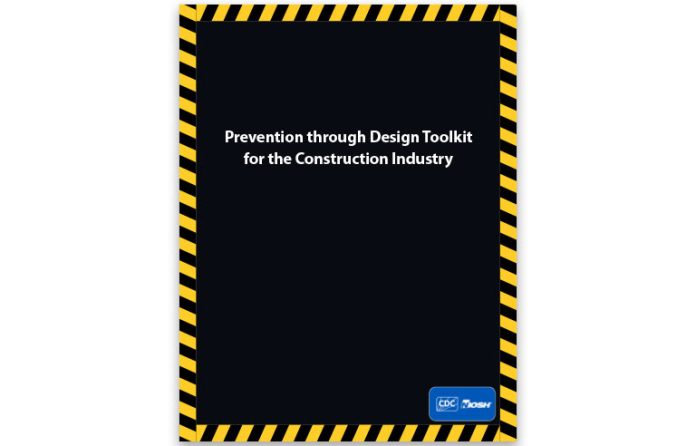
The Prevention through Design Toolkit for the Construction Industry lists nearly 150 different PtD controls to help prevent or reduce falls, struck-by incidents in highway work zones and building construction, and hazards in residential construction. The controls are listed in separate tables, to be used during the planning and design phase to guide architects and design engineers.
Fall prevention components to be addressed include roof openings, roof access, roof edges, window washing systems and outdoor platforms.
In roadway construction zones, the components include pedestrian workers, vehicles and heavy equipment, traffic, and project planning.
For building construction, they include overhead objects and underground hazards, powered industrial trucks, concrete blocks, steel beams and structural elements, and exits/doorways.
Components covered in residential construction include roofing, electrical, solar, mechanical, and trenching and excavation.