
For 26 years, I worked in retail. The last 10 years of that time I spent running a division of the third largest retailer in the United States.
My undergraduate degrees are in education, and I have a Master of Business Administration and a Society for Human Resource Management certification.
How in the heck did I get into safety 10 years ago?
My wife died of cancer, and we had school-age children. I was fortunate enough to be able to step away from work to stabilize our new reality.
After less than a year, a recruiter reached out and asked me if I really lived in the small town we were located in. She requested that I come talk with the owner of a facility that had a few key open positions. The business was the largest metal tool storage manufacturer in the United States. After a discussion, the owner let me pick which position I wanted. It just so happened to be a human resources position, for which I would develop and run the onboarding, training, orientation and retention aspects of a facility that employed roughly 1,000 people.
After four months, turnover had dropped below 10% from 47% and employee training took a quantum leap. It should be shared here that the division of retail I worked in was basically the franchised locations of the company, so I had nearly three decades of experience working with people versus having them work for me.
While on my first vacation after starting with this company, my direct supervisor called me to apologize for something that occurred during a staff meeting. The facilities and maintenance manager had retired and the current environmental, health and safety manager asked to backfill that role. The HR director made the president of the company aware of the new gap in EHS and that a company of its size couldn’t have a hole in the EHS division like this. The president calmly indicated that he would simply place me into that role, given the success I had shown in the previous task.
And that is how I got into safety.
I was aware of the knowledge gap I had going into EHS from retail and business, so I began to build my knowledge base in these areas. I started with OSHA 10-hour and 30-hour training programs, and then added courses on more specific topics such as machine guarding, lockout/tagout and confined spaces. After two years, I earned my Associate Safety Professional certification. I later added the Certified Instructional Trainer certification and, when the time came, the Certified Safety Professional certification.
Our total recordable incident rate dropped to under 3% from close to 9% in the first year and recordable incidents dropped to fewer than 10 a year from an average in the mid-50s, and then to approximately six per year. The company was then acquired by a much larger tool manufacturing company, and the drastic improvement of the EHS department was immediately noticed. My scope of responsibility began to increase. Roughly every eight to 10 months it was expanded until it was 33 locations across 16 countries with approximately 16,000 employees.
Each expansion experienced the same reduction of incidents, so I was asked to share what was driving this success.
My background is in education and developing an environment in which performance is improved through partnership and working with individuals. In my opinion, many safety professionals aren’t adept at interpersonal communication and/or how to teach.
Too often, EHS managers seem to fall into a “safety cop” situation. I feel it’s much more sustainable and effective to teach the “why” of what we’re asking rather than use negative reinforcement.
I also believe that safety pros all too often download or buy content and then read the slides to the team and call the training complete. That’s compliance to the program, not a commitment to it.
When employees learn something, they like to share it. Livening up content and delivery, as well as applying a conversation-based methodology, can help increase “brother’s keeper” situations by helping to make all employees – not just EHS managers and company leadership – vehicles for the effective delivery of safety messages.
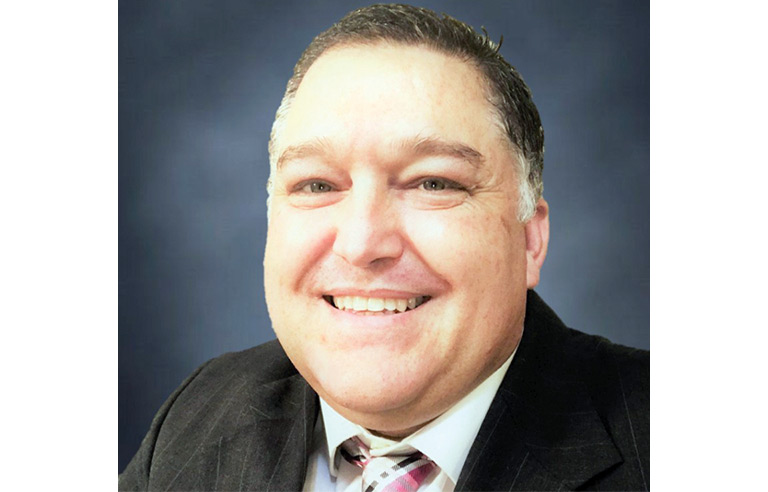
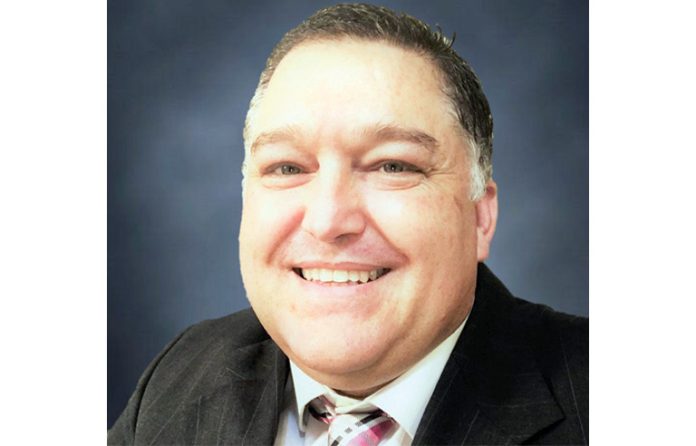
Chris Lamb, MBA, CSP-CIT
Director, Environmental Health & Safety
Verdesian Life Sciences
What’s your story?
Email us at [email protected] with the subject line “My Story.” You may be featured in an upcoming issue of Safety+Health.