

Responding is Andy Reichlin, industrial sales manager, ThermOmegaTech, Warminster, PA.
Maintaining systems with water-bearing equipment can be challenging, especially in cold climates. Freeze protection is critical in applications such as condensate systems, pumps, filtration systems, piping, valves and fittings.
When these types of systems are exposed to freezing temperatures and unprotected, it can cause burst piping, property damage, higher labor costs and disruption to the water supply.
A common misconception is that the system will continue to operate when water is at or below freezing temperatures as long as it’s “moving.” Water expands and freezes at 32° F, regardless of the flow rate.
To find the best freeze protection for your facility, consider factors including system location and the criticality of the water supply.
There are various ways to protect water lines and systems from freeze damage. Pipe insulation, pipe-heating cable systems, electric heat tracing, pipe taping, space heaters, backup generators and freeze protection valves are all suitable protection methods.
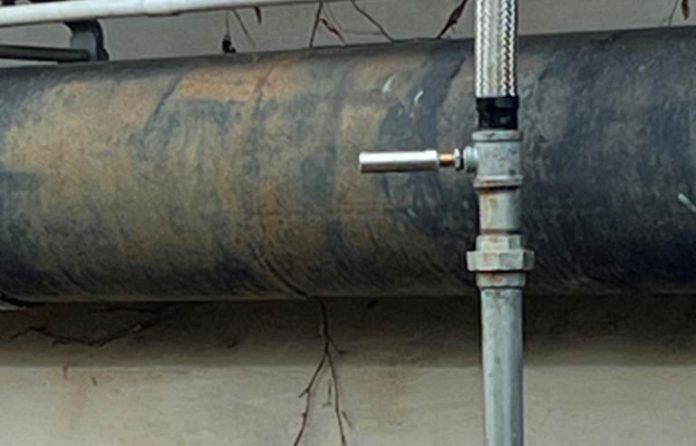
Thermostatic freeze protection valves are a great solution for protecting a facility’s systems. The valves are self-actuating and, therefore, don’t rely on electricity. Systems exposed to extreme temperatures can be safeguarded without labor costs or the risk of losing electricity.
“Installing thermostatic freeze protection valves, which sense water temperature and automatically modulate open to bleed off the cold water in the line when the temperature approaches freezing, is a cost-effective way to protect critical equipment,” said Andy Reichlin, industrial sales manager for ThermOmegaTech.
The core technology in these valves is the thermostatic wax actuator. This actuator is sensitive to temperature changes and can open or close based on a factory-set threshold.
“Thermostatic freeze protection valves automate maintenance,” Reichlin said. “There is no labor to crack open valves or, even worse, forget to address pipes exposed to freezing temperatures. Labor is saved. Downtime from expensive repairs is avoided. And when the temperature warms, the valve will close and regular water flow will resume. Freeze protection valves offer an enhanced level of protection for numerous seasons.”
Editor’s note: This article represents the independent views of the author and should not be considered a National Safety Council endorsement.