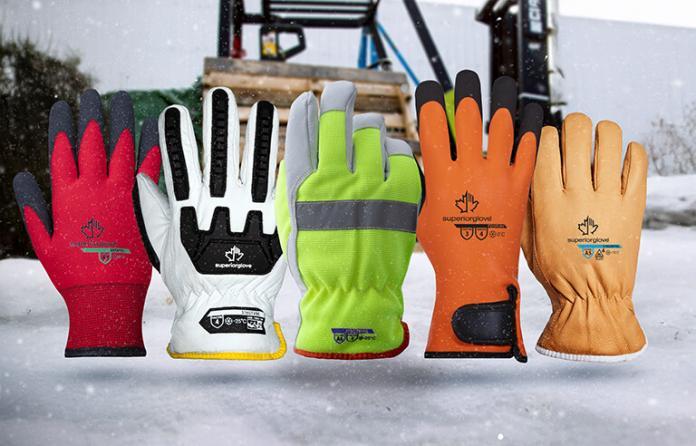
As temperatures drop, staying warm on the job becomes more than a comfort issue – it’s a matter of safety. For workers who spend extended time outdoors or in cold indoor settings, having warm, dry hands is essential to maintaining both productivity and protection. That’s where glove liners play a critical role.
Designed to boost the performance of winter safety gloves, liners provide insulation and water resistance, helping reduce the risk of cold stress injuries. These can include anything from dry, cracked skin to numbness, reduced mobility, and even frostbite or hypothermia in extreme conditions.
In this article, we’ll explore two key functions of glove liners used in the manufacturing of cold protection gloves: insulation and waterproofing.
Insulating liners: keeping hands warm
Insulated glove liners act as a barrier between cold external air and the warmth of the hand. This helps maintain thermal control – keeping body heat in and cold air out. Among the most widely used materials for thermal insulation are:
-
- Thinsulate™ linersThinsulate™ is a high-performance insulator known for its ability to trap air while remaining breathable and moisture resistant. It offers superior warmth in cold conditions without trapping sweat, which is critical for comfort over long periods of wear.
The thickness of Thinsulate™ is measured in grams per square meter. Most standard winter gloves use 100 GSM, which is effective in temperatures as low as -13° F and maintains enough flexibility for hands-on tasks. Heavier-duty gloves may use 200 GSM insulation for even colder environments – though this often means added bulk and reduced dexterity.
- Acrylic or fleece linersFleece and acrylic liners are excellent options for early winter or cooler indoor environments. These materials are lightweight and warmer than cotton or foam while offering more flexibility than thicker insulations. Gloves lined with fleece are ideal for jobs where fine motor control is still a priority and cold exposure is moderate rather than extreme.
Waterproof liners: keeping hands dry
In wet or slushy conditions, dry hands are just as important as warm ones. That’s where membrane liners come in. These impermeable barriers are inserted into gloves to prevent water penetration and maintain comfort in damp environments.
There are two primary construction methods used to integrate waterproof membranes into safety gloves:
-
- Double-layer designGloves made with a double-layer structure include a waterproof exterior and a soft inner liner. This setup keeps the glove lightweight, while the interior lining adds a layer of moisture-wicking comfort. This method is popular for jobs that require mobility and flexibility without sacrificing water resistance.
- Triple-layer design
This method sandwiches the waterproof membrane between an outer shell and an inner liner. The outer layer typically delivers mechanical protection (such as cut or abrasion resistance), while the inner layer – often made of nylon or cotton – ensures breathability and comfort.Triple-layer gloves are typically more durable and breathable than their double-layer counterparts, offering robust protection without compromising comfort. The exact method of attaching the membrane varies by glove type:
- Leather and mechanic-style gloves: The membrane is inserted between layers.
- String knit gloves: The membrane is laminated between the inner and outer layers for a more secure bond.
Learn more
Choosing the right glove liner can make a significant difference in worker comfort, safety and performance. Whether it’s selecting the right insulation for warmth or ensuring hands stay dry with effective waterproofing, understanding liner options helps safety managers and workers make informed decisions.
To explore more about cold-resistant gloves, including key features to look for and how to match glove design to job conditions, check out our blog Cold Protection – Everything You Need to Know.