

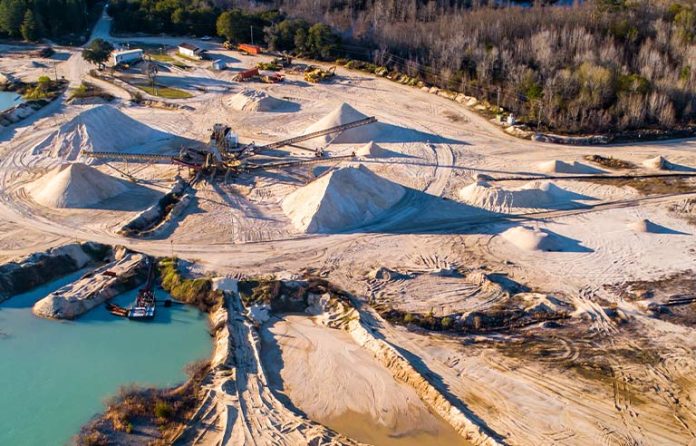
Toronto — For surface miners, working near water exposes them to “a variety of risks – including drowning and slope stability hazards – and requires special planning,” the Infrastructure Health and Safety Association says.
In a new guidance document, IHSA encourages surface mine operators to create a water management program to help identify hazards related to working near water and then implement controls for each.
IHSA offers best practices for safe work in these conditions:
- Provide instruction and training specific to the workplace and its hazards.
- Outline the exact areas where work will happen before beginning a job. Identify environmental conditions that might increase danger, as well as safety controls. Make sure emergency plans are in place.
- Have a competent person inspect ground conditions for slope-stability hazards before beginning any underwater excavation.
- Install guardrails at all docks, wharfs or jetty edges where workers pass within 6½ feet of an edge or where a risk assessment indicates that a fall into water is possible.
- Paint a yellow line on the ground at all berths if guardrails aren’t feasible. The line should be least 6½ feet from the berth edge. Install clear signage and ensure workers wear personal flotation devices.
- Install adequate barriers to keep equipment away from the water’s edge if a risk of mobile equipment falling into water is present.
- Provide safe access and egress between vessels, the shore and work areas. Tell workers to always use gangways and never step over gaps.

