

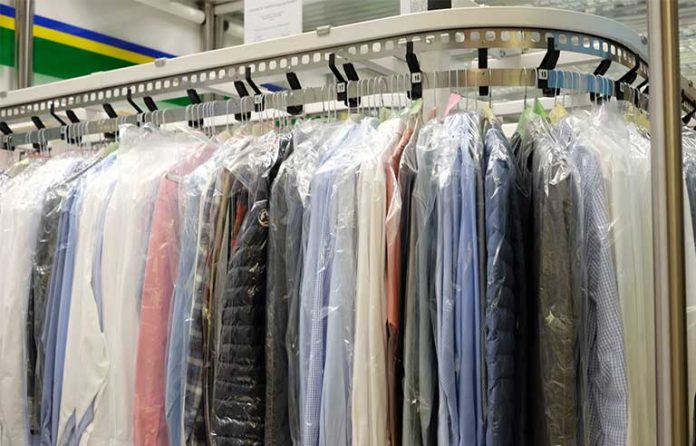
Los Angeles — Exposure to a common chemical used in dry cleaning and certain consumer products may increase the risk for severe liver issues, researchers are cautioning.
A team from the University of Southern California looked at 2017-2020 data from a nationally representative group of more than 1,600 adults participating in the National Health and Nutrition Examination Survey.
About 7% of the participants had detectable levels of tetrachloroethylene, or PCE, in their blood. Among that group, PCE exposure was associated with a three times greater risk for severe liver fibrosis than no PCE exposure. Liver fibrosis is a buildup of scar tissue in the organ that can lead to liver failure, liver cancer and early death.
PCE is used in dry cleaning, spot cleaners, stainless steel polish, and arts and crafts adhesives.
Exposure to PCE wasn’t limited to dry cleaning workers; participants who had their clothing dry cleaned also were at risk of exposure to the chemical. “However, people who work in dry cleaning facilities may also face elevated risk due to prolonged, direct exposure to PCE at work,” lead study author Brian P. Lee, a hepatologist and liver transplant specialist at Keck Medicine of USC, said in a press release.
“We hope our research will help both the public and physicians understand the connection between PCE exposure and significant liver fibrosis. If more people with PCE exposure are screened for liver fibrosis, the disease can be caught earlier and patients may have a better chance of recovering their liver function.”
The study was published in the journal Liver International.