

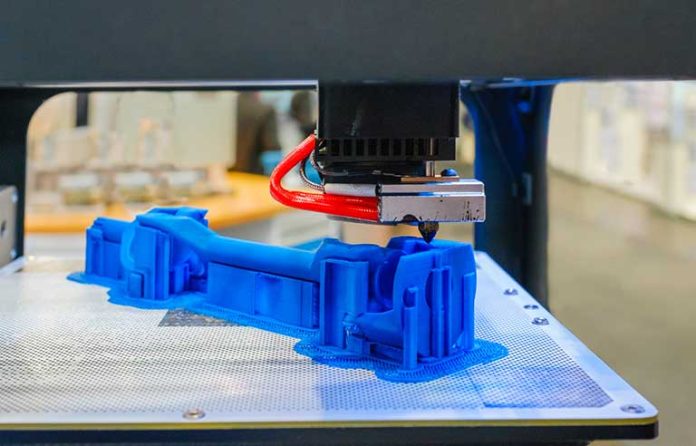
Atlanta — Emissions from 3D printers may contain fine and ultrafine particles that can damage airway cells and negatively affect respiratory health, result of a recent study show.
Researchers from the Chemical Insights Research Institute and Purdue University collected airborne particulate matter from a high school classroom with a 3D printer and an adjacent room without a 3D printer (control room). They then measured metabolic responses to 3D printer emissions using both acrylonitrile butadiene styrene and polylactic acid filaments.
During ABS printing, particles were smaller than those in the control room and fell within the nanoparticle range of 1-100 nanometers. Particles in the PLA printing room were slightly larger and more concentrated than those in the control room.
“Although [small airway epithelial cells] metabolic responses varied depending on the dose, CIRI researchers identified metabolic pathways linked to cellular oxidative stress, DNA damage and inflammation, all of which are implicated in respiratory diseases such as asthma, allergic rhinitis and chronic obstructive pulmonary disease,” a CIRI press release states. “Taken together, these results reveal early molecular events that may drive 3D printer-induced respiratory toxicity.”
Proper printing operation, along with the use of building and engineering controls, are critical to minimizing exposure to pollutant emissions, the researchers note.
CIRI has published a tip sheet that features 10 ways to promote healthier indoor air quality when using a 3D printer. They include:
- Purchase a printer that is ANSI/CAN/UL 2904 certified to produce fewer emissions.
- Always use a filament type and brand that’s specified by the manufacturer.
- Understand the value of incorporating fresh air into the printer environment, via an exhaust fan and/or operable windows.
- When the printer has cooled down after use, remove any filament buildup and clean the printer and surrounding surfaces with a disposable wet cloth.

