

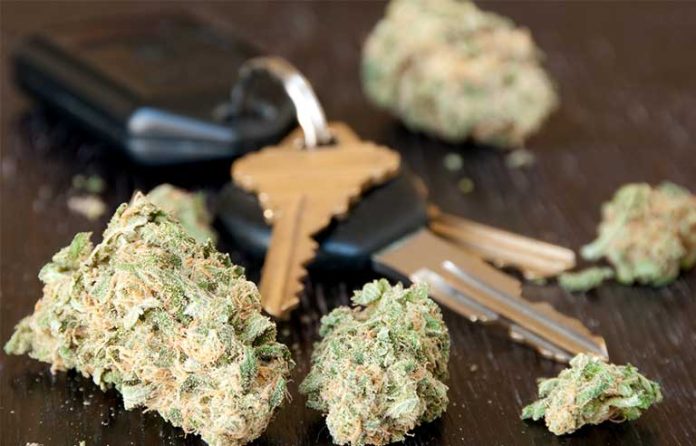
Washington — Although alcohol is a factor in nearly 1 out of 3 traffic deaths, federal and state agencies need to also address driver impairment from cannabis and prescription and over-the-counter drugs.
That’s the finding of a recent report from the National Transportation Safety Board, which analyzed drivers’ use of drugs and the incident risk associated with them.
Using data from the Fatality Analysis Reporting System, along with independent analysis of driver specimens and existing literature, researchers found that alcohol was the most commonly detected drug in impaired driving incidents. Cannabis ranked second.
However, although alcohol most often was detected alone, cannabis typically was detected in combination with alcohol or other drugs.
About half of drivers arrested for impaired driving and 28% of those fatally injured tested positive for more than one category of drug.
“With the rapidly shifting legal status of cannabis, the opioid epidemic and changing substance use trends emerging during the (COVID-19) pandemic, it is more critical than ever to understand the effects of all drugs on traffic safety,” NTSB member Tom Chapman said during a recent webinar exploring the study’s findings.
The report advocates various countermeasures to mitigate alcohol-impaired driving, such as calling on states to lower blood-alcohol content limits to 0.05 grams per deciliter from 0.08, as Utah did in 2018.
NTSB also touts the use of in-vehicle technologies – including passive alcohol impairment detection, advanced driver monitoring and ignition interlocks – that prevent vehicle operation when alcohol is detected.
“We know that countermeasures in this area led to a substantial drop in alcohol-related fatalities in the 1980s and ’90s,” Jana Price, report co-author and NTSB impairment expert, said during the webinar. “We also know that additional proven countermeasures, if fully implemented, can lead to further reductions.”
In addition to addressing alcohol-related impairment and the “growing problems” of impairment by other drugs and multiple-drug-impaired driving, the report identifies safety issues spotlighting the need to:
- Improve drug-impaired driving laws and enforcement.
- Ensure driving safety is considered in the evaluation of prescription and over-the-counter medicines.
- Enhance systems for documenting and tracking the incidence of drug use and driving.
The safety issues outlined in the report influenced multiple NTSB recommendations to states and federal agencies. Among them:
- Require a warning label on cannabis products advising people not to drive after cannabis use because of its impairing effects.
- Complete an assessment using the National Highway Traffic Safety Administration’s Drug-Impaired Driving Criminal Justice Evaluation Tool and, if gaps are identified, apply to NHTSA for support in establishing programs to reduce drug-impaired driving.
“Impaired driving leads to tragedy every day on our nation’s roads, but it doesn’t have to,” NTSB Chair Jennifer Homendy said in a press release. “To create a truly safe system – one where impaired driving is a relic of the past – states and federal agencies must implement our recommendations, and fast. Further complacency is inexcusable.”

