

Washington — Trichloroethylene, as a whole chemical substance, poses “unreasonable risk” to workers under certain conditions, the Environmental Protection Agency states in a newly issued final revised risk determination.
EPA says trichloroethylene – also known as TCE – poses unreasonable risk to workers involved in occupations including:
- Manufacturing
- Vapor and liquid degreasing
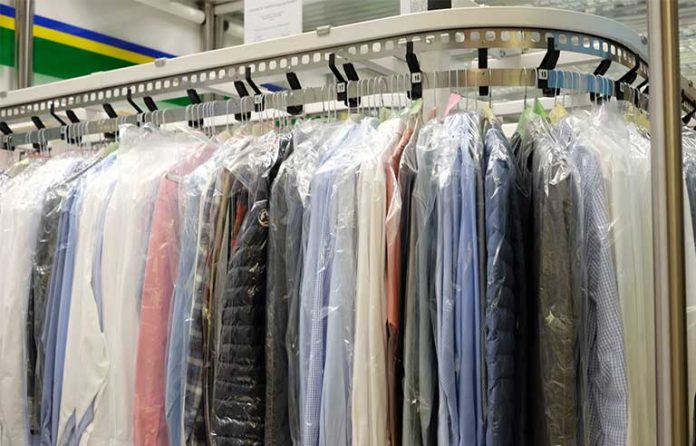
- Spot removing in laundry
- Recycling
TCE is used in dishwashing products and as a solvent in brake and parts cleaning, recycling, and disposal.
In 2014, EPA determined that TCE may cause cancer, developmental and neurological effects, and toxicity to the liver, among other adverse health effects. The substance is among the first 10 chemicals under evaluation for potential health and environmental risks under the Frank R. Lautenberg Chemical Safety for the 21st Century Act.
The revision is consistent with EPA’s “whole substance” approach to determining unreasonable risk – rather than basing determinations on separate conditions of use – as well as revisiting the assumption that personal protective equipment is always provided and worn properly by workers when making risk determinations.

