
Tumwater, WA — A Washington State Department of Labor & Industries analysis of occupational exposures to hazardous substances found that, between 2008 and 2016, more than a quarter of the substances sampled in the state registered twice the recommended severity level – with some well beyond.
Researchers examined 9,941 Washington L&I Division of Occupational Safety and Health industrial hygiene compliance safety and health officer assessments, which included 4,394 exposure samples yielding 133 unique substances. Sampling involved calculating a substance’s exposure severity level, defined in the report as the ratio of the measured concentration of a substance to its established permissible exposure limit.
According to the report, “many professional industrial hygienists consider a severity level equal to or greater than 0.5, or half of the substance PEL, the level at which safety controls are needed to lower workers’ exposures.” Findings showed that 35 of the 133 substances, or 26 percent, measured severity levels greater than 1.0 on at least one occasion. Additionally, 18 other substances had severity levels between 0.5 and 1.0.
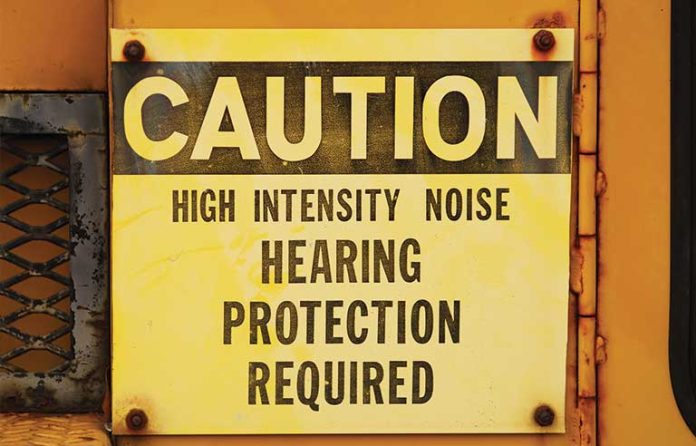
In some instances, respirable silica, noise, dust, nitrous oxide and hexavalent chromium each were measured at more than 50 times their respective PELs, the report states. Maximum severity ranged from 51.3 for a hexavalent chromium sample for painting and wall covering contractors to 130 for a respirable silica sample for construction, mining, and forestry machinery and equipment rental.
Also of note:
- Noise, dust and lead were the most common sampled substances.
- The three most frequently sampled industries were automotive body, paint and interior repair and maintenance; boat building; and sheet metal work manufacturing.
- Among noise exposure samples, the construction industry yielded the highest maximum severity level (100.4). The real estate and rental and leasing industry shared the highest median severity (1.2) with administrative and support and waste management and remediation services.
- Nitrous oxide had the highest median severity among substances (2.5).
Among the researchers’ recommendations:
- Washington DOSH should “closely monitor the amount and type of worker exposure sampling being conducted and consider developing a multi-approach exposure sampling plan,” as well as address outdated PELs and substances without PELs.
- Training teams should work to provide refresher or updated training on new and modified sampling tools and techniques.

