An injury or emergency situation can happen anywhere at any time. Your son might sprain his ankle at soccer practice. Your neighbor may suffer a heart attack while washing his car. You might be involved in a motor vehicle incident on the way to work. Do you know how to react?
Source: National Safety Council’s “First Aid, CPR & AED” course. Learn more about NSC first aid and CPR training – including online and classroom training for learners, and courses and materials for instructors. © 2015 National Safety Council
Consider getting trained in first aid and CPR. “First aid and CPR training gives you the skills you need to handle life’s everyday bumps and bruises, and the confidence to respond quickly and correctly to more serious injuries and life-threatening situations that can occur,” the National Safety Council notes.
Other tips on being prepared for an emergency situation include keeping fully stocked emergency preparedness kits in your home and vehicle that include non-perishable food, water and medications, as well as a battery- powered radio, flashlight and first aid kit.
The 411 on 911
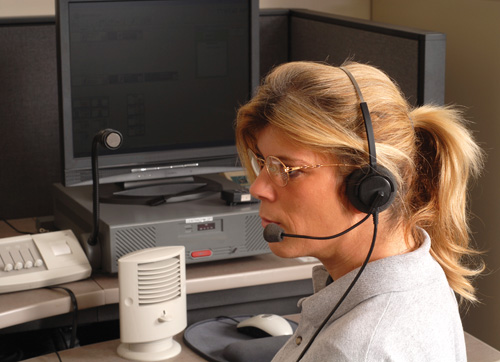
It’s important you know what to say to a dispatcher if you need to call 911. You should clearly state your name and the phone number you’re calling from, as well as your exact location and the number of victims. Let the dispatcher know the nature of the injuries. Try to remain calm, and stay on the line. The dispatcher may provide instructions on how you can help.