
Responding is Tim Turney, global marketing manager, Casella, Bedford, England.
Airborne dust in the workplace remains a significant, yet often underestimated, threat to worker health and safety in the United States. Despite advances in technology and regulation, thousands of new cases of occupational respiratory disease are reported each year, with dust exposure a leading cause in industries such as construction, mining and manufacturing. One of the most harmful of these is respirable crystalline silica.
When materials such as sand, stone or concrete are cut, drilled or crushed, minuscule dust particles are released into the air, including silica dust. These particles, often invisible, can penetrate deep into the lungs, causing irreversible diseases such as silicosis, chronic obstructive pulmonary disease and even kidney disease. The economic burden is substantial, with occupational lung diseases costing billions of dollars annually in health care costs, lost productivity and compensation claims.
OSHA estimates that 2.3 million workers in the United States are exposed to silica, one of the most common and dangerous dust risks.
Regulatory standards and the need for monitoring
To protect workers, OSHA enforces strict permissible exposure limits. For example: 50 micrograms per cubic meter for respirable crystalline silica, averaged over an 8-hour shift. However, compliance isn’t about avoiding fines; it’s about safeguarding lives. Monitoring is the only reliable way to ensure exposure remains below these critical thresholds and control measures are sufficient.
The role of personal monitoring
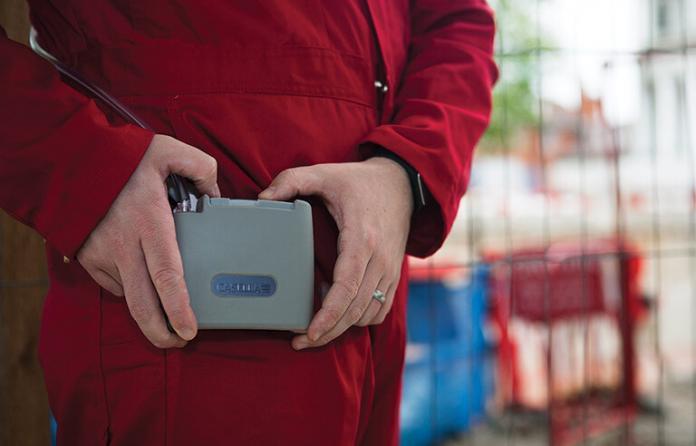
Personal air-sampling pumps and real-time monitoring devices have become essential tools for employers. These devices (now lighter and more connected than ever) provide accurate, individual exposure data in the case of air-sampling pumps and, for real-time instruments, the ability to see where and when exposure is occurring. Monitoring technology not only streamlines compliance but also enables rapid response if dangerous levels are detected.
Monitoring data can reveal high-risk tasks or locations, prompting targeted interventions such as improved ventilation, process changes or enhanced personal protective equipment. When new machinery, materials or processes are introduced, ongoing monitoring ensures controls remain effective and workers aren’t inadvertently put at risk.
Building a culture of safety
Effective monitoring isn’t only about equipment; it’s about people. Workers who understand the risks and reasons for monitoring are more likely to engage with safety programs. NIOSH highlights the importance of education and transparent communication in building trust and ensuring the success of exposure control initiatives.
Conclusion
Airborne dust exposure is a persistent threat. However, with robust monitoring, employers can protect their workforce, comply with regulations and foster a culture of safety. As technology advances, monitoring becomes more accessible and effective, making it possible to prevent disease, improve well-being and, ultimately, save lives.
Editor’s note: This article represents the independent views of the author and should not be considered a National Safety Council endorsement.