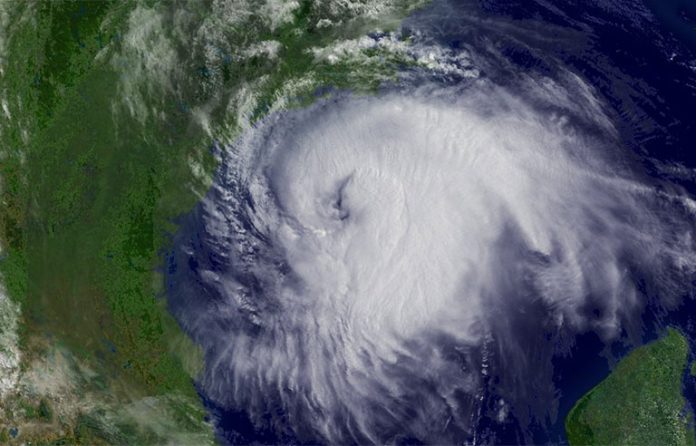
Washington — The National Oceanic and Atmospheric Administration is predicting higher-than-average hurricane activity this year in the Atlantic basin, with as many as five storms potentially becoming major hurricanes.
The forecast of a 60% chance of an “above-normal” Atlantic hurricane season includes:
- 13 to 19 named storms (39 mph winds or higher)
- Six to 10 hurricanes (74 mph winds or higher)
- Three to five major hurricanes (111 mph winds or higher)
The agency is giving only a 10% chance for a below-normal hurricane season.
The Atlantic hurricane season started June 1 and runs through Nov. 30. An average season sees 14 named storms, seven hurricanes and three major hurricanes. Warmer temperatures in the Atlantic Ocean, forecasts for weak wind shear and higher potential activity from the West African Monsoon (a primary starting point for Atlantic hurricanes) “tend to favor tropical storm formation,” NOAA says.
“This outlook is a call to action: Be prepared,” National Weather Service Director Ken Graham said in a press release. “Take proactive steps now to make a plan and gather supplies to ensure you’re ready before a storm threatens.”
OSHA stresses the need for employers to have an evacuation plan in place to ensure “workers can get to safety in case a hurricane may affect the area.”
An effective evacuation plan includes:
- Conditions that will activate the plan
- Chain of command
- Emergency functions and who will perform them
- Specific evacuation procedures, including routes and exits
- Procedures for accounting for workers, customers and visitors
- Equipment for workers
“As we witnessed last year with significant inland flooding from hurricanes Helene and Debby, the impacts of hurricanes can reach far beyond coastal communities,” acting NOAA Administrator Laura Grimm said in the release.