

Arlington, VA — Spurred by numerous fatalities related to the hazards of working near belt conveyors, the Mine Safety and Health Administration has issued a safety alert.
Published on Sept. 3, the alert states that eight fatalities involving belt conveyors have occurred in the industry since Jan. 26, 2017. Six involved miners working near a moving conveyor, and two occurred during maintenance on an idle conveyor.
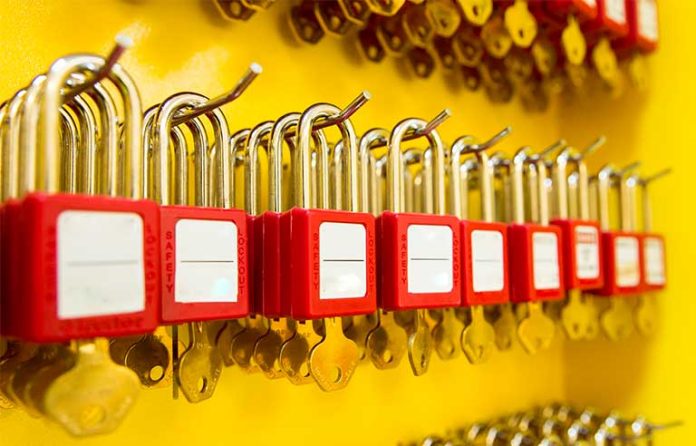
“All of these fatalities could have been prevented with proper lockout/tagout and blocking against motion before working,” the alert states.
MSHA details the most recent incident, which occurred in December and remains under investigation. A miner was fatally injured after removing a splice pin from a mainline conveyor that was caught between the belt and frame of the belt tailpiece.
The agency lists multiple best practices for working safely near belt conveyors, including:
- Identify, isolate and control stored mechanical, electrical, hydraulic and gravitational energy.
- Effectively block the belt conveyor to prevent movement in either direction.
- Relieve belt tension by releasing energy at the takeup/belt storage system. Remember: Some tensile energy might still exist.
- Position belt splice in an area of safe access to avoid pinch points.
- Deenergize electrical power, and lock and tag the main disconnect before beginning maintenance. Permit only the person who installed a lock and tag to remove them – and only after completing the work.
- Never lock out start and stop controls or belt switches, as they don’t disconnect power conductors.

