Responding is Carmen King, associate editor, J. J. Keller & Associates Inc., Neenah, WI.
Although an arc flash and an arc blast are related electrical hazards and can occur during the same incident, they’re not the same. Both events happen when electricity travels through the air from one conductor to another or to the ground, but each presents distinct dangers.
What’s an arc flash?
Arc flashes are sudden, intense bursts of heat and light generated by an electric arc. The temperatures in an arc flash can soar above 35,000º F – nearly four times hotter than the surface of the sun. These events often occur in electrical panels, transformers and other high-voltage equipment, often because of damaged insulation, dust accumulation or corrosion. Other common reasons that arc flashes occur include:
- Improper equipment maintenance
- Short circuits
- Worker error, such as bringing metal objects too close to energized equipment
Although any of these reasons can cause an arc flash, it’s important to know that a combination of factors can contribute to this type of incident.
Arc flash hazards
Arc flashes are associated with serious and potentially life-threatening risks. The amount of heat produced during an arc flash can cause severe burns. Workers may experience electric shock if they come in direct contact with the electrical source during an arc flash. Workers may also suffer respiratory injuries from inhaling toxic fumes.
Because arc flashes produce intense light, nearby workers may suffer eye injuries or blindness, which can be temporary or permanent. During an arc flash, molten metal and sparks are released, creating additional hazards. These hazards include fires, explosions and deaths.
Minimizing arc flash hazards
Arc flashes happen quickly, often lasting less than a second. Because they happen so suddenly, workers have almost no time to respond or get out of harm’s way, which can lead to serious injuries. This brief period, combined with the high temperatures and the release of molten metal and sparks, highlights the importance of strict safety measures and careful work practices when working around energized electrical equipment.
To reduce arc flash hazards, workplaces should:
- Conduct risk assessments to identify hazards and determine appropriate protective measures.
- Inspect electrical systems and equipment regularly.
- Implement proper lockout/tagout procedures.
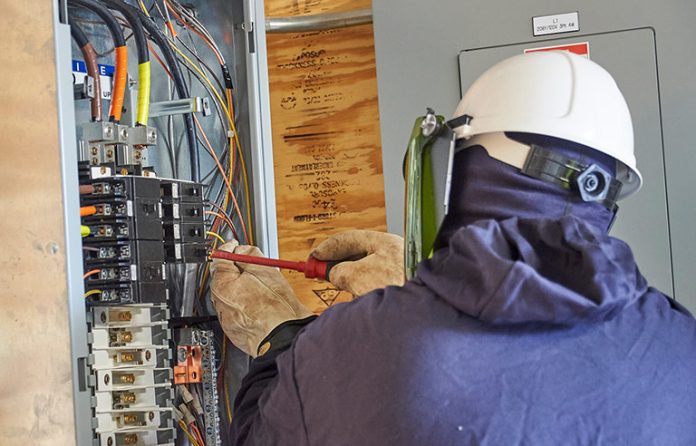
- Ensure workers are provided with and wear arc-rated personal protective equipment, such as faceshields, flame-resistant clothing and insulated gloves.
- Provide training on electrical equipment.
What is an arc blast?
An arc blast, on the other hand, is a violent, high-pressure wave that causes an explosive force. This force heats the air rapidly and vaporizes metal. It’s powerful enough to throw workers across a room or launch metal fragments and debris into the air.
Arc blast hazards
Like arc flashes, arc blasts pose serious hazards. The pressure wave is strong enough to:
- Rupture eardrums, which can lead to hearing loss.
- Fracture bones.
- Cause severe internal injuries, such as concussions or collapsed lungs.
- Damage or destroy equipment.
Minimizing arc blast hazards
Because arc blasts often occur alongside arc flashes, similar measures should be taken to reduce risk. They include:
- Performing hazard assessments.
- Deenergizing equipment whenever possible.
- Following appropriate lockout/tagout procedures.
- Inspecting and maintaining electrical equipment.
- Providing proper training.
- Ensuring workers wear AR PPE when working near energized equipment.
Key to remember: Arc flashes and arc blasts pose serious risks, but safe work practices, engineering controls and protective equipment can reduce hazards.
Editor’s note: This article represents the independent views of the author and should not be considered a National Safety Council endorsement.