
Working outside in the spring months may mean working alongside insects and animals that could pose a threat to workers. OSHA offers the following tips for avoiding such injuries when working outdoors.
Insects, spiders and ticks
- Wear long pants, socks and long-sleeved shirts to protect against stinging and biting insects.
- Use insect repellents that contain DEET or Picaridin.
- Treat bites and stings using over-the-counter products that relive pain and reduce the risk of infection.
- Avoid fire ants. Severe reactions to their bites can cause chest pain, nausea, loss of breath, slurred speech or swelling that requires immediate medical attention.
Rodents and animals
- Both dead and live animals can spread diseases such as rat bite fever and rabies.
- Always avoid contact with rats and other wild or stray animals. If you cannot avoid contact, wear protective gloves and wash your hands frequently.
- Dispose of dead animals as soon as possible.
- If you are bitten or scratched by an animal, seek medical attention immediately.
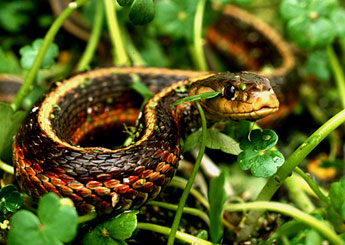
Snakes
- When moving debris, avoid placing your hands underneath objects whenever possible.
- Wear heavy gloves.
- Watch for snakes sunning on fallen tree limbs or other debris.
- If you see a moving snake, step back and allow it to pass. A snake’s striking distance is about one-half of the total length of the snake.
- Wear boots that are at least 10 inches high.
- If bitten, note the color and shape of the snake’s head to help with treatment.
- Keep bite victims calm and still to slow the spread of venom. Seek medical attention as soon as possible.
Working outside in the spring months may mean working alongside insects and animals that could pose a threat to workers. OSHA offers the following tips for avoiding such injuries when working outdoors.
- Digital Partners -
Insects, spiders and ticks
- Wear long pants, socks and long-sleeved shirts to protect against stinging and biting insects.
- Use insect repellents that contain DEET or Picaridin.
- Treat bites and stings using over-the-counter products that relive pain and reduce the risk of infection.
- Avoid fire ants. Severe reactions to their bites can cause chest pain, nausea, loss of breath, slurred speech or swelling that requires immediate medical attention.
Rodents and animals
- Both dead and live animals can spread diseases such as rat bite fever and rabies.
- Always avoid contact with rats and other wild or stray animals. If you cannot avoid contact, wear protective gloves and wash your hands frequently.
- Dispose of dead animals as soon as possible.
- If you are bitten or scratched by an animal, seek medical attention immediately.
Snakes
- When moving debris, avoid placing your hands underneath objects whenever possible.
- Wear heavy gloves.
- Watch for snakes sunning on fallen tree limbs or other debris.
- If you see a moving snake, step back and allow it to pass. A snake’s striking distance is about one-half of the total length of the snake.
- Wear boots that are at least 10 inches high.
- If bitten, note the color and shape of the snake’s head to help with treatment.
- Keep bite victims calm and still to slow the spread of venom. Seek medical attention as soon as possible.