Washington — The Environmental Protection Agency wants to ban most commercial use – and all consumer use – of the chemical substance perchloroethylene.
Also known as tetrachloroethylene or PCE, the chemical has been linked to cancer and other health problems. A 2017 study published in the journal BMJ Open found that occupational exposure to PCE may increase women’s risk of head and neck cancer. Additionally, EPA found that PCE may be associated with neurological, kidney, liver and immunological adverse effects.
In a final revised risk determination published in December, EPA found that PCE poses “unreasonable” risk of injury to human health under multiple conditions of use, including:
- Paint and coating removal
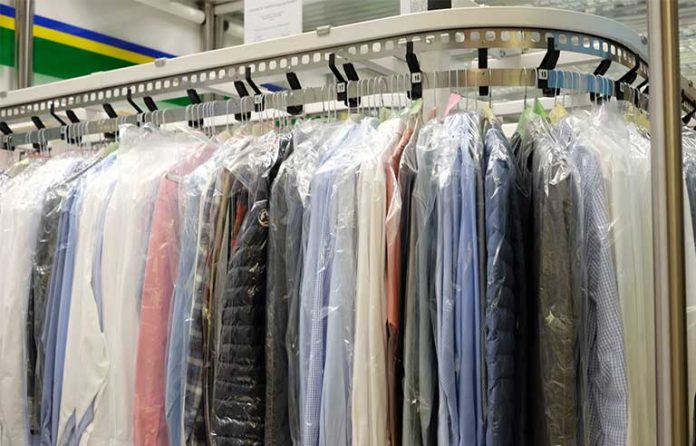
- Dry cleaning
- Pesticide, fertilizer and other agricultural chemical manufacturing
- Spot cleaning in textile processing
- Wood furniture manufacturing
- Adhesive and sealant processing
- Vapor degreasing
Under the proposal, EPA would phase out commercial use of the substance within two years and, within 10 years, remove its use from dry cleaning. However, the agency would still permit processing of PCE to manufacture certain hydrocarbons for refrigerants – under “strict workplace controls.”
The proposal also calls for the chemical’s continued use in petrochemical manufacturing, as well as in various aircraft and aerospace applications.
“We know that exposure to PCE is dangerous for people’s health, and today’s rule is an important first step to keeping communities and workers safe,” Michal Freedhoff, assistant administrator of the EPA Office of Chemical Safety and Pollution Prevention, said in a press release. “We’ve proposed to ban the uses we know can’t continue safely, and we’ve made sure that stringent controls are in place to protect workers for the uses that remain.”
Comments on the proposal are due July 17.