Washington — Thorough cleaning and inspection of chemical vessels after a confined space entry is an essential part of incident prevention, the Chemical Safety Board stresses in a final report on a July 2023 explosion and fire.
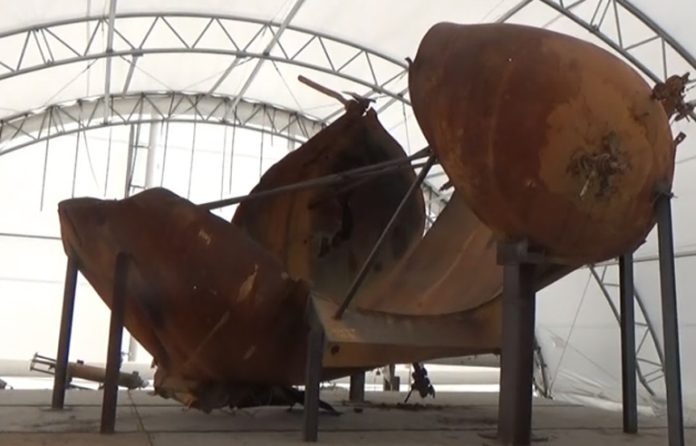
CSB investigated the incident, which occurred at the Dow Louisiana Operations Glycol II plant in Plaquemine, LA. The explosion and fire resulted in the release of ethylene oxide, a toxic gas that’s often used to sterilize medical equipment and has been linked to cancer and neurological problems.
Two months prior to the incident, work lights had been “inadvertently left behind” in a reflux drum after workers performed maintenance and inspection. The lights eventually degraded, CSB found, creating metal debris that entered pressure relief piping and mixed with the air. The debris punctured an adjacent tank holding EtO, causing an ignition.
“Inadequate vessel closure practices allowed the reflux drum to be sealed and restarted without positive confirmation that it was clean and free of foreign materials,” CSB determined during its investigation.
In a press release, CSB Chair Steve Owens warned that, “When dealing with a highly hazardous chemical like ethylene oxide, even a seemingly small mistake can have enormous consequences.”
To prevent future incidents, the board recommends that the National Fire Protection Agency and American Society of Safety Professionals update standards and guidance to ensure that “vessels that have undergone confined space entry are left clean and ready for startup after the entries are completed.”
Other lessons for the industry:
- Facility workers need to make sure any equipment that enters the vessel and isn’t necessary for its operation also leaves the vessel.
- Employers should ensure information vital to facility operation, such as the condition of an inert atmosphere, is collected and acted on to reduce the risk of an ignition or reactive incident.
- Organizations should consider the impact of new venting and possible overpressure release when designing original pressure relief systems or changing existing ones.
“Companies must ensure that equipment is clean and verified before startup, that inerting systems are actively monitored, and that pressure relief systems are designed to prevent flame propagation,” Mark Wingard, CSB supervisory investigator, said in the release.