
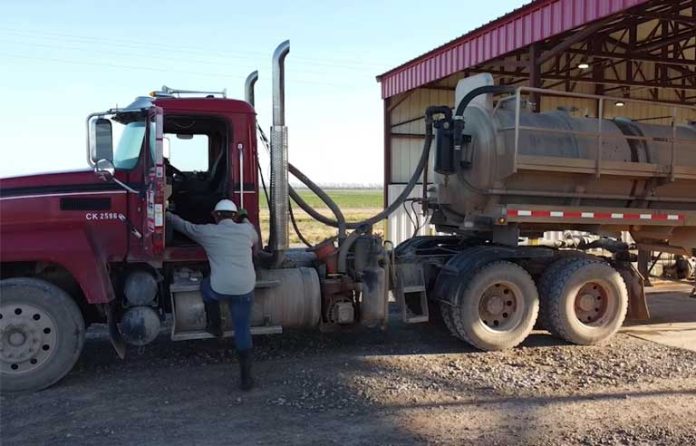
Washington — A new video emphasizes safe work practices for truck drivers transferring process fluids such as oil and gas from wells to other locations.
Developed by NIOSH, the video notes that from 2016 to 2020, at least 12 workers died while transferring fluids at well sites. The deaths resulted from cardiac events, combustion-related explosions, struck-by vehicle incidents, exposure to hydrogen sulfide and heatstroke.
During fluid transfers, flammable atmospheres present a hazard to workers, the agency warns. In addition, when fluid tanks are under pressure, hydrocarbon gases and vapors can escape, creating potentially toxic and oxygen-deficient surroundings that may cause damage to a worker’s eyes, lungs, central nervous system and heart.
In the 11-minute video, NIOSH encourages employers to select and implement effective controls from the Hierarchy of Controls. Engineering controls include safely venting or containing process fluid vapors by using a vapor recovery unit, as well as using conducting hoses and closed connections for fluid transfers. Administrative controls include worker training and workplace policies. Employers also should train workers on the proper use of personal, multiuse gas monitors and how to confirm the devices are functioning properly and placed within the worker’s breathing zone.
“Oil and process fluids can be transferred and transported safely and with minimal risks,” the video says. “But to do so, employers and workers must understand the hazards, know the risks, and be able to apply the appropriate controls under the appropriate circumstances to control the hazards and mitigate the risks involved. Doing so each time will save lives.”

