
One million.
That’s how many women are working in construction in the United States, according to CPWR – The Center for Construction Research and Training.
An employer may need to limit a pregnant worker’s exposure to multiple chemical hazards on a jobsite, CPWR notes. Examples include radiation, lead, solvents, pesticides, phthalates and asbestos.
“Chemicals that can harm adults often have similar or more severe effects on a developing fetus,” the center says. “This includes endocrine disruptors (chemicals that interfere with normal hormonal function), carcinogens (agents that can cause cellular changes leading to cancer and possible birth defects or other harm to a fetus) and neurotoxicants (which often harm a developing brain and nervous system).”
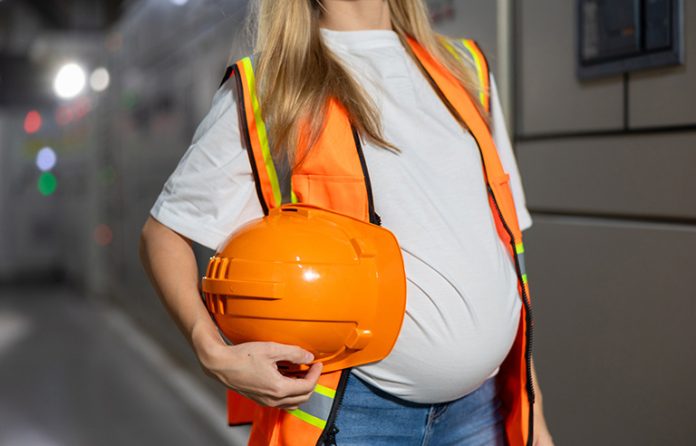
In addition, construction employers should be prepared to provide pregnant workers with accommodations. They may include:
- A reduction in tasks that include frequent lifting or lifting in awkward positions
- Moving the work area so it’s away from loud noises
- A selection of personal protective equipment and clothing in multiple size options
- Onsite drinking water
- Additional work and bathroom breaks
March 1-7 is observed as Women in Construction Week. Go to nawic.org/wic-week to learn more.