By: Superior Glove, leading safety glove innovator
In many industrial environments, cut hazards are simply part of the job. Gloves are a critical line of defense, but they’re only one piece of the protection strategy. The reality is, exposure doesn’t stop at the wrists. Arms, shoulders and the torso are often just as likely to come into contact with sharp edges during everyday tasks.
That’s where cut-resistant apparel comes in. By extending protection to the upper body, it helps address real-world risks that aren’t always covered by hand protection alone.
The importance of cut-resistance apparel
On the floor, work rarely happens in a straight line. Workers reach, carry, brace and maneuver around materials and equipment – often in tight or awkward spaces. That movement increases the chances of incidental contact with sharp edges in places beyond the hands.
- Handling sharp materials where forearms or the torso may be exposed to scraping or slicing
- Working in confined, overhead, or tight spaces where sleeves and upper-body garments can brush against sharp edges
- Situations where a slip, shift or unexpected movement brings arms, shoulders or the chest into contact with hazards
Because of this, many industries rely on cut-resistant apparel as part of their personal protective equipment programs, including:
- Metal fabrication
- Glass manufacturing and handling
- Automotive assembly
- Aerospace
- Recycling and waste management
But protection against cut hazards alone isn’t enough. If apparel is too restrictive, too hot or interferes with movement, it’s less likely to be worn consistently. Comfort and functionality play a direct role in compliance, which makes design and material selection just as important as protection levels.
Protection customized for the job
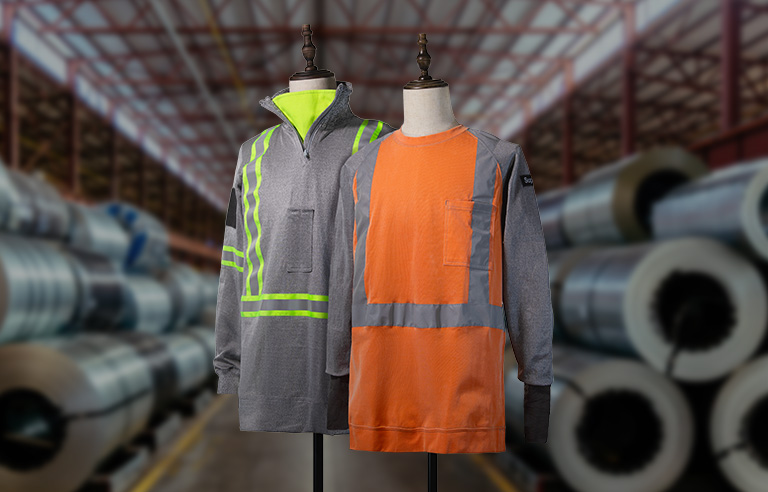
Cut-resistant apparel is most effective when it reflects the realities of the job. Superior® Top Layers are designed with that in mind, offering customizable protection that can be tailored to specific tasks and environments.
Made with TenActiv™ engineered yarn, these garments deliver ANSI-rated cut resistance across the upper body – from neck to waist – while maintaining flexibility and comfort. A range of customization options allows safety managers to tailor protection where it’s needed most:
Zoned cut protection. Apply cut resistance to key areas such as the collar, arms or torso based on the specific risks of the task.
High visibility. Incorporate high-visibility materials and reflective striping to improve visibility in low-light or high-traffic environments.
Cool mesh ventilation. Add breathable mesh panels in areas such as the back to promote airflow, reduce heat buildup and support all-day wear.
Additional design elements including custom embroidery, collar styles, thumb loops, pockets, closure types, and zip-up or pullover options are also available to allow garments to be further aligned with job requirements and worker preferences.
Supporting a more complete PPE approach
Cut-resistant apparel helps bridge the gap between hand protection and full upper-body coverage. By addressing how work actually gets done – and where risks really occur – it supports a more complete approach to cut protection.
When protection is both effective and wearable, it becomes easier to integrate into daily routines, helping reduce injuries while supporting consistent PPE use across the operation.
Learn more
Explore Superior® Top Layers customization options and features and create your own custom safety solution. Get Started!
Synopsis:
Cut hazards don’t stop at the wrist. This article explores where injuries really happen and how extending protection beyond gloves can help reduce risk and improve personal protective equipment compliance on the job.