

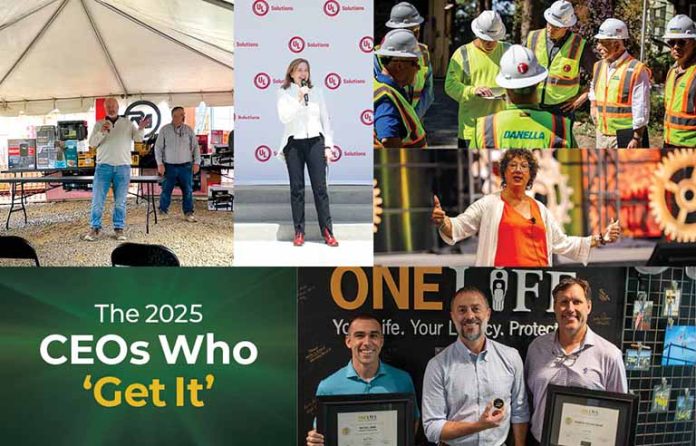

|
CHOOSE A PROFILE
|
BROWSE ALL PROFILES
|
Tell us why on the submission form and your CEO could appear among the 2026 selections.
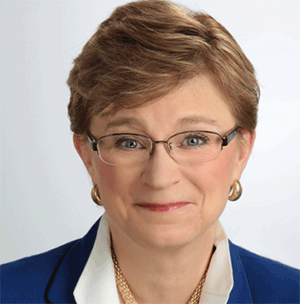
Introduction by
Lorraine M. Martin
President and CEO
National Safety Council
This past year I’ve frequently returned to an important – and often overlooked – aspect of safety leadership: living safety out loud. Those who value safety above all are the same people who talk about safety, act safely and encourage others to do things safely every day.
Impactful leaders understand that safety is about people. They not only implement new technologies, adapt innovative ideas and test fresh solutions, they also place an emphasis on communicating why safety matters and listening to employee concerns. That’s what it means to be a CEO who “gets it.”
These six CEOs aren’t quiet about their passion for safety. They live the value loudly – both talking the talk and walking the walk. Through both their words and actions, they prove daily that nothing is more important to them than the safety, health and well-being of their people.
A CEO who “gets it” doesn’t delegate when it comes to safety. Bob Fullington, with Roy Anderson Corp., conducts regular “morale events” to promote well-being and safety engagement. He also frequently visits jobsites and leads stand-downs. Similarly, James D. Danella, with Danella Cos. Inc., has daily safety-focused conference calls and personally reaches out to any employee who’s injured on the job.
A strong leader is flexible and open to evolving practices and employee feedback. Take Matt Brewer at Choate Construction Co., who has expanded his company’s safety definition by ensuring access to mental well-being resources for employees, as well as offering free first aid and CPR training to workers and their families. In addition, Matt continuously invests in the newest safety technologies that help reduce risk on the job.
Like Matt, Mike Jansen of Faith Technologies Inc. understands that improvement requires adaptability. Mike spearheaded the elimination of hazardous fixed-blade knives on jobsites, as well as a “Ladders Last” effort that reduces the need for ladders through better pre-job planning.
Finally, a CEO who “gets it” knows safety isn’t something to be checked off a list. It must infuse every aspect of operations and always remain top of mind. At
UL Solutions, Jennifer Scanlon has implemented global training programs to ensure managers, workers and leaders are learning and thinking about how to reduce risks, recognize hazards and stay as safe as possible. North of the border, Christl A. Aggus, formerly of Health and Safety Professionals Canada, has spent her career improving the well-being of many of Canada’s workers as she helped design and implement safety management systems for various businesses.
By engaging new technologies and solutions, communicating with employees, and getting loud about their passion for workplace safety, these six outstanding leaders are helping live out the National Safety Council mission of saving lives. They’re setting the bar for their fellow CEOs to follow.
On behalf of NSC, congratulations to the 2025
honorees.
Browse individual CEO profiles by clicking on a photo below or by pressing the navigation buttons at the top of each page.
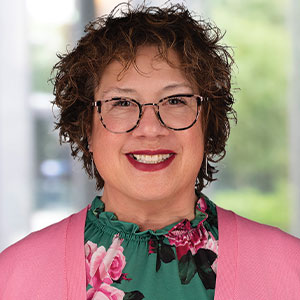 Christl A. Aggus
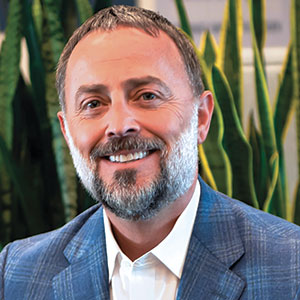 Matt Brewer
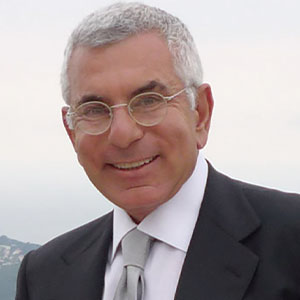 James D. Danella
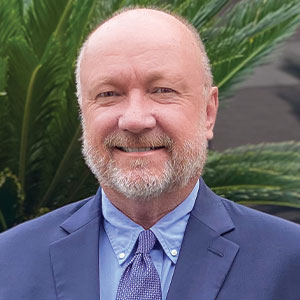
Bob Fullington
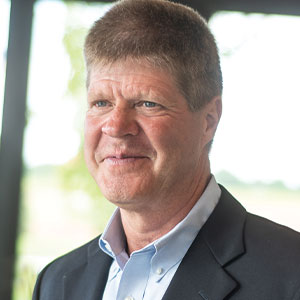 Mike Jansen
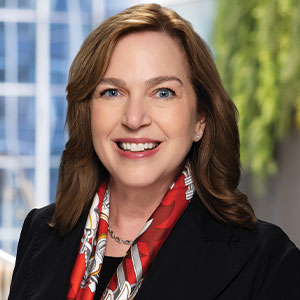 Jennifer Scanlon
CEOs Who “Get It” through the years
Browse CEO picks from the class of 2015 through the present.
Christl A. Aggus
CEO
Health and Safety Professionals Canada*
Toronto, Ontario
*Aggus currently is CEO of Principle Safety in Edmonton, Alberta.
Health and Safety Professionals Canada is a 75-year-old organization that serves professional development opportunities to its membership across the country. The Canadian Health and Safety Certificate program and a vibrant online community are managed with direction from an elected board, born from the membership. It has four full-time employees.
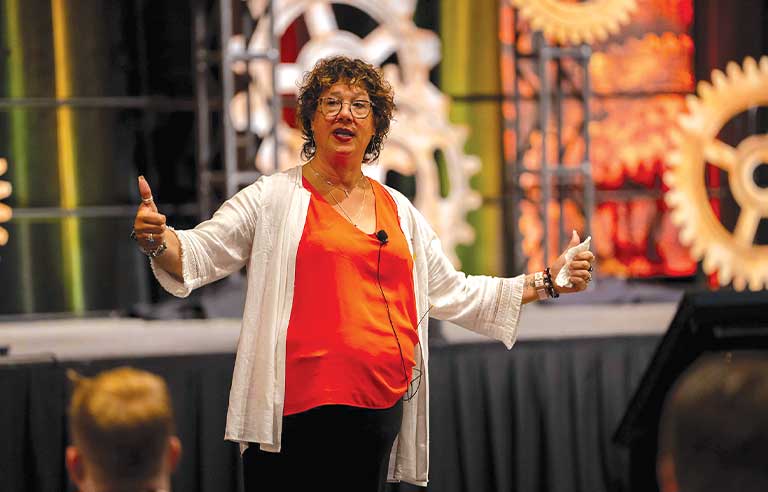
Describe your personal journey to becoming a CEO who “gets it.”
I’ve always been a doer – often choosing to do the work, rather than delegate it. For an entrepreneur, that’s a common statement. The real lesson came when the demand for my services exceeded my ability to deliver – I needed to train and trust, to delegate tasks to consultants I hired. The experiences and lessons are unique for each person because we all bring our own individualism to the journey. To say my experiences were easy or without frustrations would be a disservice to all those mentors who took my frantic phone calls. Overcoming my own demons was the first step in being able to help my clients, my members and my staff be their best.
The journey began when I set down the new foundations for my own business. I worked to develop the business model that looked at internal responsibility and focused on bringing value to my clients through a social stream. The model was quite new when COVID-19 hit hard. My professional network association was struggling and the issues needed to be addressed. I worked to calm down and build a board to tackle the issues, set a strategic plan into motion, and start talking one-on-one to my members. The joy came from actually hearing them and understanding the challenges aren’t all the same – they’re predicated on experiences the members share, many of which weren’t flattering to the organization. The experience of having the members expose old, open wounds is one I won’t ever forget. They were correct – they hadn’t been heard in many years. Sharing the experience with specialists who were able to guide the process and help to separate the fact from the emotion was the best advice I took. The next step was to ensure my team members had strengths different from my own, who had perspectives different from my own and experiences that showed progressive thinking – specifically in how we incorporate people into the world of work. My job became more about helping my team members achieve their goals both personally and professionally.
What’s the biggest obstacle to safety at your organization?
The biggest obstacle would have to be complacency. As health and safety professionals, we don’t often follow the advice we give our clients.
Pushback – we learn by pushing back. Bringing an open mindset to a brainstorming session allows us to examine and reexamine how we’re perceived by others. It also allows us to predict positive outcomes through shifts and pivots in thinking and projection. We don’t always appreciate the pushback sessions at the time, but we’ve come to value them and each other as a growth tool. Being able to measure our outputs through client management systems, or through growth in membership and dialogue in our online communities, shows that communication without judgment is an effective way for our team to overcome obstacles.
Why is safety a core value at your organization?
Safety is a core value because we put people at the center of all we do. Our management systems are built to enhance the professionalism of the worker through training and reward. Our system policies are written to reflect how people are the backbone of the organization and how their achievements are what gets measured both at the bottom line and at the end of the day when we return to our families.
Diversity and inclusion naturally happen when you have a truly people-centric focus. Workers who feel appreciated contribute to both their communities and their employer. Safety is a pathway for the organization to instill itself into the economic fabric.
How do you instill a sense of safety on an ongoing basis?
I’m big on conversation, listening to what an employee is saying and asking questions to dig deeper and promote thought. I lead by example, never passing up an opportunity to teach or learn. I’ve taken the time to get to know my employees and use everyday conversations to impress upon them the ripple effect of injury. I thank them for working with integrity and diligence so they can realize the joys that a safe working environment can provide. And I do it consistently.
How does your organization measure safety?
This question is difficult to answer. We have multiple variations on a similar process. Audit. Lagging indicators are often the most visual, so we use the lagging indicators to explain how the leading indicator is functioning. For example: When we speak about how much time is “wasted” in meetings, we can show the costs of an injury (previous), we can show the costs of implementing an effective solution to the problem, and soon we will be able to measure this in cultural terms – such as worker well-being.
Mindful, authentic and purposeful supervisor interaction is where I see room for improvement.
The time spent developing relationships and maintaining those relationships isn’t seen as valuable in the C-suite. We may need to monetize it.
What role do off-the-job safety, mental health and well-being play in your organization’s overall safety program?
It varies from organization to organization. In my own, we’re all consultants who are extremely passionate – we always have a safety moment! My role means that I must lead by example. This can be tough some days, but knowing this allows me to better coach within my organizations. The role of off-the-job safety and psychosocial well-being are the foundation of solid business relationships.
Trust, compassion, kindness and fairness doesn’t mean everything is without challenges – it’s the challenges that make us grow.
I believe coming out of a pandemic, globally, we’re embracing compassion and focusing on a better balance. This includes championing the rights of others.
In most client systems, we use an internal responsibility sensibility – health and safety are everyone’s responsibility.
Matt Brewer
President & CEO
Choate Construction Co.
Charleston, SC
Known for their proven results and partnership-driven approach, Choate Construction Co’s employee-owners provide nationally recognized commercial construction services for their clients and industry partners. With offices in Atlanta; Charleston; Charlotte, NC; Nashville, TN; Raleigh, NC; Savannah, GA; and Tampa, FL, Choate Construction offers the benefits of a nationwide contractor with the dedicated touch of a local firm. Choate’s specialized personnel consistently deliver successful projects across a variety of market sectors, including industrial, health care, corporate, retail and mixed-use, and more. The company has approximately 550 workers.
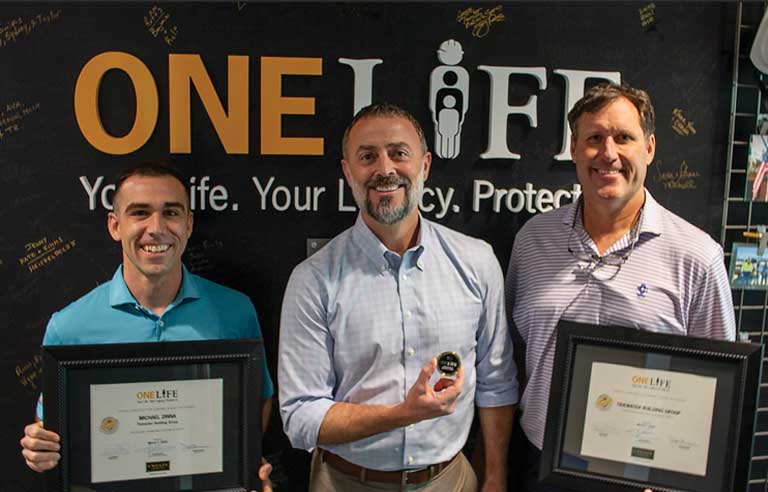
Describe your personal journey to becoming a CEO who “gets it.”
My journey to prioritizing safety began during my time serving in the Marine Corps. In the military, you learn safety isn’t just about protecting yourself – it’s about looking out for your fellow man. I’ve witnessed how one misstep or overlooked hazard could alter a life forever – not just for the individual but for their families as well. That responsibility we shared for each other’s well-being left a profound impact on me and ultimately shaped how I view leadership.
Once I transitioned into the construction industry, I carried those lessons with me. Safety is a shared commitment – one that demands vigilance, accountability and teamwork at every level of an organization. It isn’t solely about compliance or checking boxes. It’s about creating a culture where every team member feels empowered to speak up, act responsibly and look out for one another. Whether on the battlefield or a jobsite, the mission is only successful if everyone comes home safely.
What’s the biggest obstacle to safety at your organization?
In a high-risk industry such as construction, complacency is one of the greatest challenges. When employees become comfortable in the routines, it’s easy to underestimate potential hazards. Additionally, the fast-paced nature of construction can sometimes put pressure on safety protocols. To counter this, we invest in continuous education on industry best practices, specific training programs we’ve developed using insights from data collected on our jobs and fostering an environment where safety is considered a nonnegotiable for every team member – no matter the deadline.
In every meeting I’m personally involved in and otherwise, safety is at the forefront of the discussions and a main theme of our benchmark assessments, staff meetings, etc. I also meet with our corporate safety director on a biweekly basis to have open conversations where I can learn about our teams’ individual experiences onsite and their thoughts on how our safety operations are going, in addition to assessing areas for improvement.
Our team practices proactivity and consistent communication through regular safety huddles onsite, hazard identification training, and leadership visibility and buy-in on our sites. We also make sure to celebrate safety wins and acknowledge those who consistently live out our “OneLife” safety identity. Addressing near misses as learning opportunities is another effective way we keep safety top of mind for everyone.
Why is safety a core value at your organization?
Safety is a core value because our people are our most valuable asset. No project, milestone or profit margin outweighs the well-being of those who trust us with their lives every day. For us, safety is more than a policy – it’s a moral commitment to protect our team, their families and the communities we serve. We want our teams to want to work safely – not just for themselves, but for their legacy, their spouses, children and even future grandchildren; for the people who depend on them to return home.
When safety is a shared value, it becomes ingrained in every decision we make, from planning and design to execution and closeout. It’s the foundation of our company’s operations and the reason we strive to lead by example in an industry that demands nothing less than excellence in this area.
Beyond the technical trainings and protocols enforcement, the individual investment to safety is a critical component of our success. By regularly driving home the message of our “OneLife” program – to protect our life and legacy and those of our co-workers – each employee has a personal investment to making sure everyone onsite returns home safely to their families and loved ones. This emotional piece of our safety practices touches the heart, and it’s something everyone can get behind.
How do you instill a sense of safety on an ongoing basis?
We instill safety through education, communication and empowerment. Regular training sessions keep employees informed about the latest safety standards and techniques, while daily site safety meetings reinforce vigilance. Leadership also plays a critical role by modeling safe behavior and engaging with teams to identify and address risks proactively. Our safety team has also created a “OneLife” badge for all employees and new hires to wear on their safety vests or display at the office, featuring a picture chosen by the employee that represents their “why” – often depicting families, pets and loved ones to serve as a reminder of the importance of remaining vigilant day after day.
We empower employees to speak up if they notice unsafe conditions, and we ensure they have the tools and authority to act. This open-door approach builds trust and makes safety a shared responsibility, not just a management directive. Part of this empowerment includes recognizing and celebrating individuals who are leading the charge in safety onsite. One way this is accomplished is through Choate’s OneLife Challenge Coin, which I’ve had the honor of presenting to individuals who demonstrate an unrelenting commitment to creating and maintaining a safe working environment for all.
Safety is also an integral component of our employee-owners performance review and career development process. Throughout the year, senior leadership meets with their teams regularly, assesses their alignment and exposure to our safety management practices, and ensures the team remains on top of these practices to grow and develop in their career. Every position has a unique list of safety requirements related to its level and scope of work, providing a blueprint for how to be successful in construction management with safety at the forefront.
How does your organization measure safety?
We measure safety using both lagging indicators, such as recordable incident rates and lost-time injuries, and leading indicators, including safety audits, near-miss reporting and training completion rates. These metrics help us identify trends, benchmark progress and focus our efforts on prevention. We also conduct regular safety surveys, which allow us to understand how our employee-owners and trade partners measure our programs’ effectiveness and areas for improvement.
Although our safety management teams have done an outstanding job of making sure key metrics such as incidents and injuries are well below the industry average, we’re continuously pursuing ways to further improve our safety practices. We’re working to enhance our use of technology, such as wearable devices and predictive analytics, to gain deeper insights into potential risks. Additionally, we’re focused on continuing to inspire continued employee investment in our safety practices and innovations, as their participation and investment is critical to achieving our vision of zero incidents and at-risk conditions.
If we as an industry can continue to prioritize Prevention through Design, we can further eliminate and reduce work-related hazards and illnesses and minimize risks associated with working in construction. PtD involves collaboration with design partners early in the process to catch potential hazards, identify safer alternative materials or construction methods, and effectively engineer out potential risks. Although PtD has gained traction in recent years, widespread adoption will be the key to creating a safer industry.
What role do off-the-job safety and mental health and well-being play in your organization’s overall safety program?
Stress, fatigue and mental health challenges can impact focus and decision-making, increasing the risk of incidents. That’s why our wellness initiatives, employee assistance programs, safety stand-downs dedicated to the topic of mental health, and continuous sharing of resources and peer support networks are integral parts of our overall safety strategy. By prioritizing mental health, we’ve created an environment where employees feel supported both on and off the job.
Safety doesn’t stop when employees leave the jobsite. We’ve invested in our benefits package to offer free therapy sessions for our employees and their families, and additional tools to ensure our teams have access to vital resources for protecting their mental well-being. This proactive tool is just one example of how our teams go beyond physical safety and prioritize care of the whole self.
James D. Danella
Chair & CEO
Danella Cos. Inc.
Plymouth Meeting, PA
Founded in 1972, Danella Cos. has grown from two small contracts into one of the leading utility contractors in North America. With a strong focus across the East Coast and Midwest, Danella and its 1,642 employees support projects throughout the United States and parts of Canada, demonstrating its ability to deliver high-quality safety and services across diverse regions. Danella specializes in building and maintaining critical infrastructure, including gas, electric, water, telecommunications and railroad systems, while also providing expertise in storm restoration and heavy construction equipment rentals.
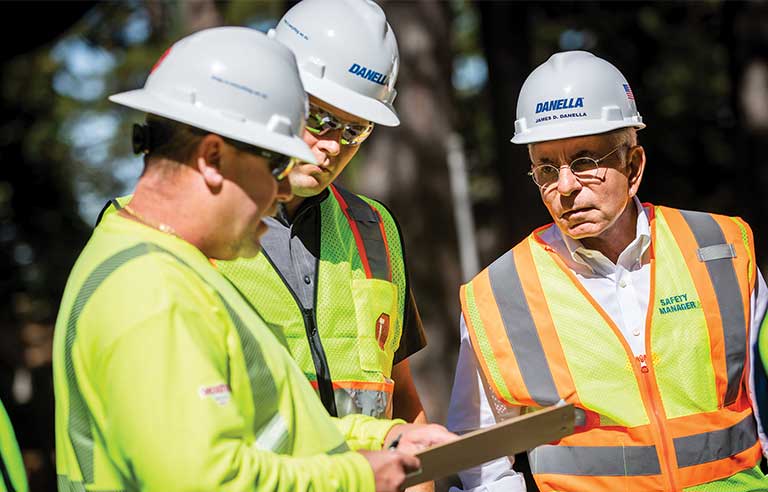
Describe your personal journey to becoming a CEO who “gets it.”
My journey has been defined by learning from others. I’ve been fortunate to have extraordinary people in this organization whose dedication and insights have shaped the company and its safety culture.
I’ve always believed that safety is not just a priority – it’s a shared responsibility and something we owe to one another.
As a leader, I often ask myself: Are we doing everything possible to ensure every employee knows how deeply we care about and prioritize their safety and well-being?
That question guides our focus as an organization at Danella.
Whenever we take on new projects or operations, Danella’s first priority is equipping the team with the resources, manpower and training it needs to succeed safely.
What’s the biggest obstacle to safety at your organization?
At Danella, safety is never static – we recognize that we need to constantly evolve to meet new challenges, incorporate better practices and stay ahead of risks. To meet these demands, continuing education is a cornerstone of our safety program. It ensures we’re not only learning and adapting as an organization, but also equipping leadership with the tools and knowledge to effectively deliver training and critical information to every employee.
To overcome these obstacles, we double down on our “human performance” journey, which has helped us focus on recognizing precursors and avoiding error traps. Programs such as Stop Work Authority are a key part of this approach, empowering every employee with the right – and the responsibility – to stop a job if they feel it’s unsafe or are uncertain about the proper procedure to make it safe.
Why is safety a core value at your organization?
As Theodore Roosevelt said, “People don’t care how much you know until they know how much you care.” At Danella, our commitment to safety across the organization is how we demonstrate that care and protect our greatest asset: our people. Building and maintaining this company requires great people who not only care about their work but also about each other and our shared success.
We believe safety is something we owe one another. It’s not just a corporate objective but a personal commitment that each of us upholds. Simply put, if we can’t be safe, we can’t be successful.
How do you instill a sense of safety on an ongoing basis?
I believe safety isn’t the absence of events but the presence of defenses. Instilling a sense of safety begins with leadership and is reinforced through consistent, visible actions such as field visits. They’re one of the most important ways we connect with our workforce and demonstrate our commitment to their safety.
These visits allow us to see firsthand what employees experience, ensure they have the tools and resources needed to stay safe, and direct conversation.
Personally, I love field visits – they’re what get me up in the morning. Watching the work being done and understanding the challenges our men and women face every day inspires me. They battle changing conditions and maintain an unwavering pride in everything they do. That pride begins with the basics, including maintaining clean yards and well-kept trucks.
Our fleet and equipment reflect our commitment to quality, and the message is clear: Take care of things and do it the right way – the safest way.
How does your organization measure safety?
For me, measuring safety is about understanding where our risks are and taking proactive steps to address them before they can impact our people. We look at a combination of leading and lagging indicators to give us a complete picture. Examples of leading indicators include:
- Tracking quantity and – even more important – the quality of pre-job checklists
- Good-catch reports
- Skills-based training
- Driver scores
We’re also part of the American Contractors Insurance Group, which provides an invaluable peer group to benchmark against other top-tier contractors. The honesty and collaboration within that group constantly push us to find areas for improvement.
What role do off-the-job safety and mental health and well-being play in your organization’s overall safety program?
Safety doesn’t end when the workday is over. Off-the-job safety and mental health are just as critical as what happens onsite.
The construction industry faces staggering challenges in these areas. The statistics around suicide and mental health issues are sobering – among the highest rates of any profession.
If you were to walk into a room of construction workers and ask how many people know someone impacted by suicide, the number of hands raised would be eye-opening for you.
This is a conversation that needs more time and attention – not just at Danella, but across the industry. Part of being an organization that truly cares is focusing on the total well-being of our employees – not just during their shift, but in all aspects of their lives.
We’ve brought in guest speakers to talk about mental health, widely shared literature and resources, and encouraged open conversations with workers to reduce stigma. We want every employee to feel empowered and supported.
To me, safety means protecting and supporting, in every possible way, the people who make Danella what it is.
Bob Fullington
President
Roy Anderson Corp.
Gulfport, MS
Roy Anderson Corp. has provided safe, quality commercial construction since 1955. RAC provides preconstruction services, general contracting, construction management and design-build services for many industries. Its 70 employees are experienced in everything from airports, shipyards, power generation plants and port facilities to hospitals, hotels, gaming venues, health care and highrises.
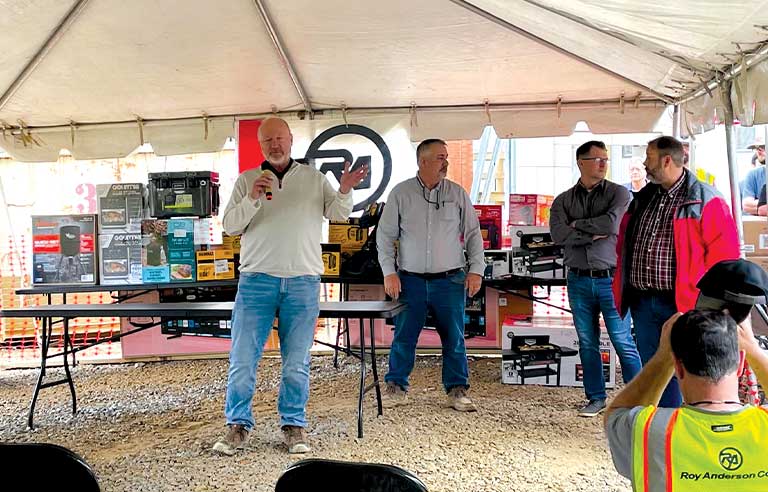
Describe your personal journey to becoming a CEO who “gets it.”
I began my career in the construction industry as a concrete laborer during the summer after my senior year of high school. Throughout my college years, I gained experience in various construction roles during summer breaks. After earning my degree, I continued working in the field as a drywall and ceiling mechanic. Over time, I transitioned into office-based roles and advanced through several companies, ultimately reaching my current position.
It’s through this hands-on field experience that I’ve gained the insight and knowledge that influences my work today. Having faced the everyday challenges and hazards of a typical construction site, I have a deep understanding of the risks involved. Early in my career, I learned the importance of approaching each task with a clear understanding of the required process, particularly when it comes to safety. I’ve had the opportunity to work with companies that prioritize strong safety practices, as well as those where safety programs weren’t given the attention they deserve.I began my career in the construction industry as a concrete laborer during the summer after my senior year of high school. Throughout my college years, I gained experience in various construction roles during summer breaks. After earning my degree, I continued working in the field as a drywall and ceiling mechanic. Over time, I transitioned into office-based roles and advanced through several companies, ultimately reaching my current position.
It’s through this hands-on field experience that I’ve gained the insight and knowledge that influences my work today. Having faced the everyday challenges and hazards of a typical construction site, I have a deep understanding of the risks involved. Early in my career, I learned the importance of approaching each task with a clear understanding of the required process, particularly when it comes to safety. I’ve had the opportunity to work with companies that prioritize strong safety practices, as well as those where safety programs weren’t given the attention they deserve.
What’s the biggest obstacle to safety at your organization?
The rapid pace of the construction industry, combined with a shortage of skilled workers, has presented challenges that have required innovative solutions. Construction has a very diverse workforce, which in some cases creates language barriers that can impede safety orientations, toolbox talks and training efforts. We’ve implemented several adjustments to address this, including hiring bilingual employees to assist with translation and using technology such as translator apps. Although these apps can occasionally lead to entertaining conversations, they’ve proven invaluable in ensuring all team members are fully aligned with our safety protocols and training initiatives.
Along with these challenges, another huge obstacle is the transient nature of the workforce. Because, as we say, “Unless you want to be the maintenance person on what we just built, you have to go somewhere else and build something else.” This not only adds to the language barriers, but also to the influx of new workers who may have never worked alongside each other before. It does take time and effort for everyone to adjust to each other; however, our project teams are encouraged to be flexible and work with everyone for positive outcomes for all. In our industry, we are “each other’s keeper.”
Why is safety a core value at your organization?
RAC understands that safety is about people, as they’re the lifeline of our business. The protection of people, property and the environment is a core value of our business philosophy. We believe that safety isn’t just “good business” – it’s the right thing to do.
And it’s because of our people that we maintain our involvement in safety. We can build great projects and win multiple awards; however, we can’t do that without our people, including our trade partners. It’s because of them that we can consistently win awards and have great safety performance records. We wear those awards proudly as badges of honor and share our successes with our workers and trade partners.
But it isn’t just the awards. It’s knowing that our folks understand our commitment to their safety and that no concern is too small to bring to us. It’s through everyone’s efforts that we have developed processes to ensure everyone is comfortable in voicing their concerns and opinions, and that they know they’re listened to.
How do you instill a sense of safety on an ongoing basis?
Leading by example is the most effective way to foster a sense of safety and, over time, cultivate a companywide safety culture. As a leader, it’s essential to consistently demonstrate the principles for which I advocate, both in and out of the office, as well as on all project sites. By prioritizing safety in our personal lives, we naturally embed these practices into every aspect of our professional activities.
I don’t believe in our teams acting as “safety cops,” but as coaches and mentors, working with our partners to develop safe plans of action. By supporting this method and providing the resources needed, we remove the “fear” of safety. This involvement results in increased communication and participation between all parties, and a willingness to ask questions and report hazards and near misses.
Our leadership team has embraced the “open-door” practices in which I believe. By cultivating this method, nobody is afraid to approach us and even have casual conversations. These conversations are instrumental in getting to know everyone and convey that they’re part of the team and not just “employees.” I believe in “doing what you say you will do.”
Worker involvement is key to our success. By involving everyone in the safety program and actively listening, we achieve success and forge new paths into safety.
One example of involvement is that we consistently field-test new personal protective equipment and gather feedback from the workers who use it. By involving workers in the selection process, we foster greater buy-in, resulting in enhanced safety on the job. This ongoing “try it” program has proven successful in improving PPE compliance not only among RAC employees but also with our trade partners.
How does your organization measure safety?
We’ve successfully completed several OSHA partnership projects, which have allowed us to collaborate closely with agency experts. These partnerships provide valuable insights that we incorporate into our safety protocols and observational practices, enhancing safety across all our projects.
Through our OSHA partnership experiences, RAC established an active observation program involving all team members. These observations focus on identifying potential hazards, near misses and “good catches” – which we refer to as “Thumbs up!” behaviors. We document positive trends and best practices, which our safety team then shares across all projects. Any at-risk behaviors are promptly corrected, and the information is reviewed by project management, safety teams and senior leadership. Based on these findings, we refine and update companywide practices and policies for consistency across all projects. This process fosters continuous learning and improvement.
Lessons learned and best practices are shared weekly during project subcontractor and staff meetings, and with senior management during regular review sessions. All near misses are treated as incidents, with protocols developed to adjust task performance accordingly. This information is disseminated across projects and incorporated into site-specific safety plans and our safety and health management program, as necessary.
We leverage leading indicator data to assess training needs, evaluate supervisory skills and measure field-level engagement in our hazard recognition programs such as the “Thumbs up!” incentive program. Additionally, safety suggestions are reviewed and used to update and enhance our programs. This continuous feedback loop ensures ongoing improvement and strengthens our safety culture.
What role do off-the-job safety and mental health and well-being play in your organization’s overall safety program?
At RAC, we’re committed to ensuring every individual is included in the successes of our projects and the company as a whole. I make a concerted effort to engage with every RAC team member, both in the office and on the jobsites. The success of RAC is a direct result of the contributions of each and every team member. From my role as president to the jobsite superintendents and laborers, every individual plays a crucial part in our collective success. It’s important that everyone understands the intrinsic value they bring to the company.
We regularly host “morale days” in the office, with activities such as family days, chili cook-offs and lunch-and-learn activities. Even though I took second place last year, it has prompted me to improve my chili cooking skills and, this year, we may have a barbecue contest!
On the project sites, we hold regular stand-downs and milestone celebrations involving everyone onsite. These boost participation and encourage teamwork, communication and engagement. We also acknowledge our workers on social media and in newsletters, celebrating not only work achievements but also family milestones such as children’s graduations. This fosters communication and engagement for everyone, regardless of whether they’re on the same project. We host parties and baby showers in the office as appropriate.
RAC knows that we need our people to succeed. And, to succeed, our workers must experience a well-balanced and comfortable work environment. We believe in maintaining a work-life balance to promote the well-being of all our employees, and practicing the tenets of total human health helps us to achieve this. RAC understands that when workers feel overwhelmed, it can lead to depression, anxiety, anger or worse. When they don’t have a good work-life balance, these feelings can translate to the workplace through poor performance and inattention and result in injuries and illnesses. We promote a flexible workplace to assist our employees, and even our trade subcontractor employees, in alleviating common workplace stressors.
Mike Jansen
CEO
Faith Technologies Inc.
Menasha, WI
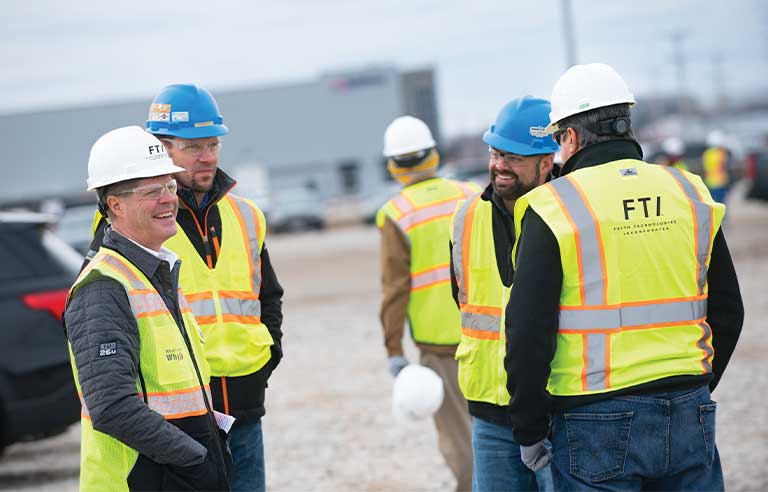
Faith Technologies Inc. is a dynamic organization made up of 3,500 construction, engineering, manufacturing and renewable energy experts. The company creates success for its partners and team members through innovation and expertise, rethinking how energy is designed, applied and consumed, and providing solutions that go beyond the ideas of today. With expertise across all its divisions – Faith Technologies, EnTech Solutions and Excellerate – Faith Technologies is one connected company, bringing its partners’ visions to life to ensure a sustainable future.
Describe your personal journey to becoming a CEO who “gets it.”
I began my career as an electrical apprentice more than 40 years ago. At that time, safety wasn’t being addressed. Organizations were focused on growth and profits over all else. OSHA was just established in 1971 to address workplace safety, after which attention was paid to things such as polychlorinated biphenyl and asbestos exposure and other hazards we faced. Fall protection didn’t exist. Unfortunately, I witnessed or was close to terrible incidents in which people were hurt or killed. I pledged to myself that, as a leader, I wouldn’t allow these types of things to happen.
Early in the trades, we felt that we had to make the decision to be productive or safe. As my leadership responsibilities expanded, it was important that we establish parameters and employ the technology and tools that allowed us to be both productive and safe.
As an organization, we’ve made great strides in our safety efforts, and one of the greatest contributors to this is our culture. We’ve come a long way, but there’s still more we can do.
What’s the biggest obstacle to safety at your organization?
One of the biggest obstacles to safety is the ability for people to make decisions that could potentially be unsafe. We do all we can to provide the tools, technology and training to enable our team members to work safely. However, that split second when a person makes a choice that could lead to an incident can only be overcome by culture.
There’s a saying, “Culture eats strategy for breakfast.” At FTI, we developed a “culture of care” to support the total well-being of our team members, creating a supportive, inclusive and healthy environment. We also recognize the importance of caring for others, the people around you, and being our brothers’ and sisters’ keepers. This culture enables people to make the right decisions that affect their safety and the safety of others. With a safe and healthy culture, the business strategy will follow.
Why is safety a core value at at your organization?
At FTI, our first core value is an uncompromised focus on keeping people safe. Our team members are the reason for our success, and ensuring they can do their jobs safely every day is paramount.
As I mentioned, we know that safety and productivity go hand in hand – you can and must have both to continue to achieve organizational success. And this success isn’t just for the company and owners. Our core purpose is creating world-class opportunities to succeed – for our organization, team members, and customers and partners.
How do you instill a sense of safety on an ongoing basis?
As CEO, I spend about 80% of my time on fostering culture – the business strategy follows. Safety isn’t achieved simply by developing and enforcing policies. We’ve developed a “culture of care” that helps support the well-being of our team members and encourages everyone to bring their whole self to work – mind, body and soul. We live this culture at every level of the organization, maintaining an environment that’s safe and welcoming for all team members and creates a sense of belonging.
Organizational culture directly ties with team members’ feelings of belonging. When team members feel they belong at work, they perform better and are more committed to the organization. We’re diligent about not allowing “mini cultures” to occur, which can be challenging with team members spread across hundreds of jobsites across the country. Ensuring our leaders have the tools they need to uphold our values is critical.
How does your organization measure safety?
Safety and productivity are directly related. Our approach to productivity is focused on proper planning, efficient communication and effective coordination, and all of these combined also positively affect our safety.
In recent years, approximately 90% of our safety incidents have occurred during secondary or waste-time activities, rather than primary time or essential tasks. In other words, we’re safer when we’re focused on driving value to our customers. Often these value-creating activities receive more focus and attention when conducting planning and pre-task analysis. Knowing this, we ensure that we not underestimate the risks associated with our secondary activities such as material handling, pre-task setup and demobilization activities.
More than 34,000 safety audits were performed across FTI in 2024. Highly effective audits ensure the safety of our jobsites and team members. We set aside time each day to give undivided attention to assessing the safety of our sites. From there, we ensure findings are actionable, and we follow through on them.
We also follow the Hierarchy of Controls, focusing on eliminating hazards first and foremost. With thorough task planning, we engineer out potential hazards. Thorough, job-specific personal protective equipment is employed as the final critical measure.
As a company, we measure safety with common industry standards such as total recordable incident rate; lost time recordable incident rate; days away, restricted or transferred; and experience modification rate. But we also measure injury cost by work hours as well. We understand that there are national averages our industries follow and measure by, but with our organization being well below these numbers, the “path to zero” is what we strive for throughout the organization. We won’t stop until our goal of zero injuries is achieved on all projects with all team members.
What role do off-the-job safety and mental health and well-being play in your organization’s overall safety program?
In the trades industries that we represent, there’s a higher-than-average rate of suicide among workers. We know that we must be diligent in our efforts to support the mental health of our teams and help break the long-standing stigma of “toughness” that has permeated for so long. Our team members’ mental health is critically important to their being able to do their job safely.
As part of our daily operational risk management process, we also incorporate mental health check-ins. On any given day, a team member may be dealing with personal factors that could affect their focus, and we give them the opportunity to safely say so, to ask their leader to reassign them if needed. We’re working to break down the stigma associated with mental health so that discussions can occur openly. We’ve dedicated mental well-being training for team members and leaders to prepare them for conversations and/or situations around mental health, while providing strategies to safely respond to mental health crisis situations.
We also incorporated a “time to recharge” benefit, which is two hours of paid time off per month for every team member. It can be used for personal time, appointments, time with family, or anything they may need to support their physical or mental health. Since introducing this benefit in 2021, more than 92% of our team members have used it, with more than 120,000 hours used.
In the past year, we also transitioned to an enhanced employee assistance program that provides expanded services to team members and the family members in their household, with quicker access to mental health care.
Jennifer Scanlon
President and CEO
UL Solutions
Northbrook, IL
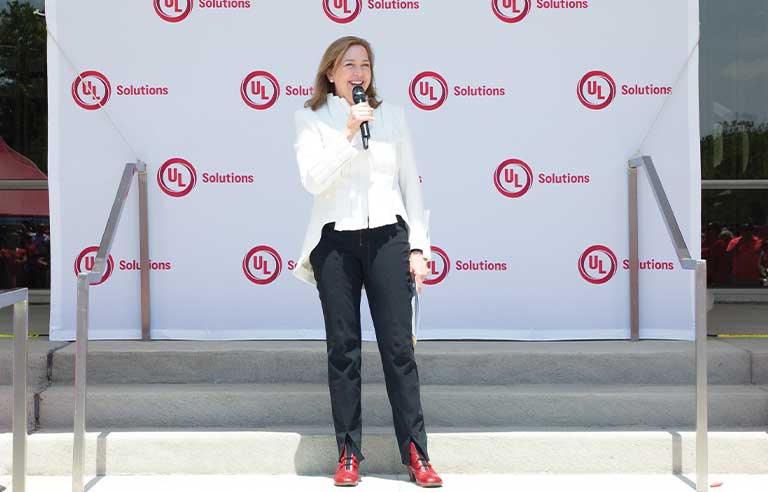
A global leader in applied safety science, UL Solutions transforms safety, security and sustainability challenges into opportunities for more than 80,000 customers in more than 110 countries. UL Solutions delivers testing, inspection and certification services, together with software products and advisory offerings, that support its customers’ product innovation and business growth. The UL mark serves as a recognized symbol of trust in customers’ products and reflects an unwavering commitment to advancing the organization’s safety mission. UL Solutions employs 15,000 workers.
Describe your personal journey to becoming a CEO who “gets it.”
Ever since I was a teen, safety has played a central role in my life. As a certified Red Cross lifeguard, I spent seven summers warning kids to “walk – don’t run” on slippery pool decks. On a few occasions, I pulled swimmers out of the water when they were in over their heads. During my time as a lifeguard, I noticed the UL mark on flotation devices, and I associated the brand with safety and trust. My Red Cross safety lessons and that early recognition of the UL mark helped shape me into the leader I am today.
Throughout my career, I’ve had a fierce devotion to safety – particularly strategies to protect employees and customers. That devotion, in fact, led to my decision to accept the role of president and CEO at UL Solutions. I’m proud to say that we’re a global leader in applied safety science, and we’re driven by our mission of working for a safer world. We know that safety starts here – with us.
Our global “Safety Starts Here” program acknowledges that we each have the ability and responsibility to help protect our co-workers, stakeholders and communities. This initiative is key to our company culture. It examines safety practices across all facilities and then implements improvement plans led by the environmental, health and safety group, along with leaders from across the organization.
What’s the biggest obstacle to safety at your organization?
At UL Solutions, safety is the focal point of everything we do – we strive to be our customers’ most trusted safety, security and sustainability partner. Our leaders stress that safety always comes first. No task is so urgent that we can’t take the time to do it safely.
This is critical because we frequently work on the leading edge of technology. We constantly analyze existing risks and devise techniques to mitigate them – while striving to anticipate new, unforeseen challenges associated with evolving technology. This is true for the built environment, energy storage systems, cybersecurity and many other areas in which we operate.
We face the constant challenge of trying to anticipate the dangers of tomorrow. Our 80,000 customers around the world rely on us to apply safety science to innovation. We recognize that safety is essential for innovation.
To maintain a focus on safety, we start every major internal meeting with a safety moment – a brief reminder that applies to everyone. Our leaders conduct “Gemba walks” and consistently facilitate strong communications with employees and customers. Our employees use safety stand-downs, stop-work authority and many other tools to promote workplace safety.
Safety always comes first. Whether our employees are climbing wind turbine towers or visiting chemical manufacturing laboratories, they remain steadfastly focused on our mission of working for a safer world.
Why is safety a core value at your organization?
At UL Solutions, safety is not only our business, it’s our mission. Our 15,000 employees around the world are driven by our mission of working for a safer world. When I visit our various labs and offices, I consistently see staff members embodying our mission.
Safety is the foundation and the North Star for all our operations. And we maintain the same steadfast dedication to safety for our employees that we do for our customers.
With a 130-year legacy and founded to do something for humanity, UL Solutions has expanded from our original focus on electricity – which was a new technology at the time. Today, we address an array of safety challenges related to well-being, sustainability and security. We provide testing, inspection and certification services, and complementary software and advisory offerings, as our customers’ most trusted safety, security and sustainability partner.
We’re known for our UL mark, which serves as a recognized symbol of trust in our customers’ products and reflects our unwavering commitment to advancing our safety mission. We help our customers innovate, launch new products and services, navigate global markets and complex supply chains, and grow sustainably and responsibly into the future.
As I often say to our team, “Safety is the ultimate expression of responsibility and respect for fellow colleagues.”
How do you instill a sense of safety on an ongoing basis?
Every day, it’s my responsibility to lead with safety always being top of mind. And it gives me great satisfaction to see that my team shares this philosophy.
One particularly meaningful example is the way that UL Solutions employees – at all levels, around the world – have enthusiastically embraced the safety moment. We launched this tremendously successful initiative as part of the “Safety Starts Here” program, and it has evolved into a cornerstone of our corporate culture. Every significant internal meeting at UL Solutions begins with a safety moment. The presenter briefly covers a topic – ranging from heart health tips to cyber scam warnings – so that safety remains everyone’s top priority.
Another powerful initiative is the “Safety Mindset” module, which is required for all employees. This training helps employees develop situational awareness to proactively identify, manage and prevent risks involving daily work activities.
Additionally, our “Lead Safe” Lab and Operations Safety Leadership Training is a global initiative that helps managers focus on EHS principles on a daily basis. Topics include the impact of safety performance, hazard recognition and job safety analysis.
Our employees heavily rely on our incident management platform called “Shield.” They’re encouraged to submit safety observations, near misses, and incidents related to EHS and/or security (including cybersecurity). Importantly, learnings from incidents are shared for everyone’s benefit. The “Shield” system has enhanced our incident investigation process and impact, and we tie its data to what we consider our company’s key results.
Our global initiative 5S (sort, set in order, shine, standardize and sustain) translates across our global culture, helping to ensure safety data is carefully tracked and measured at every lab and office location. Sites conduct self-assessments, EHS specialists conduct site visits and third-party EHS audits are regularly completed.
How does your organization measure safety?
As a safety science company, analyzing data is at the heart of what we do. Our strategy and planning are data driven.
We meticulously track leading indicators such as EHS performance, impact of EHS training, change related to 5S inspections, and learnings from workplace observations and near misses. EHS questions are incorporated into our employee engagement surveys so that they’re tracked and acted on.
Maintaining safety requires an unwavering focus. As new technologies are developed, the risk landscape changes. Therefore, we must remain perpetually vigilant. We share best practices with peers and listen closely to our employees, always striving to anticipate where the next challenge will arise. All these efforts reinforce our mission of working for a safer world.
What role do off-the-job safety and mental health and well-being play in your overall safety program?
Throughout our organization, we promote health and safety for every employee at every location. We strive for all employees to achieve physical, mental, emotional, financial and social health. We offer significant volunteer time off benefits that are embraced by our employees.
When personal challenges arise, we want employees to know that assistance is available and easily accessible. We offer free counseling services via our employee assistance program. This provides services for employees, their spouse or domestic partner, and members of their household, all of whom can access independent, confidential assistance and referral services for a variety of concerns – 24 hours a day, seven days a week and 365 days a year.
Some of these EAP issues include behavioral and mental health, parenting, adoption, child care, senior care, education guidance, financial services referrals, legal consulting and identity theft.
Additionally, I previously described our safety moment, which precedes each major internal meeting at UL Solutions. These safety moments often cover topics that are relevant to an employee’s time away from work, including kitchen safety, healthy sleep habits and cyclist safety tips.
We also facilitate events that promote the well-being of employees’ families, such as a presentation during Cybersecurity Month on cybersecurity tips to protect children.
We offer a global employee intranet site called Healthy Minds, which provides access to resources for improving health, safety and well-being, and supporting ongoing mental health. The site is updated regularly with events, actions and resources. Topics covered have included nutrition, grief and loss, autism, anxiety, and social media.
At UL Solutions, we view all these offerings as key investments in our most valuable resource: our people.

