
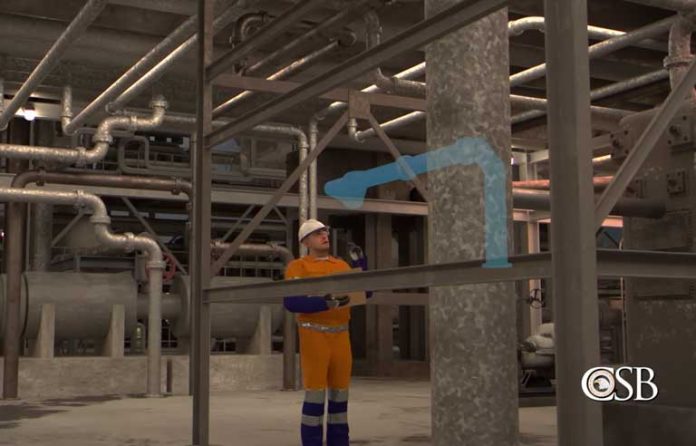
Washington — Chemical facilities should create processes to control or eliminate “dead legs” – stagnant sections of piping that may be susceptible to corrosion or hazardous materials, the Chemical Safety Board says.
The board has released a video on a November 2019 fire and explosion at the TPC Group chemical plant in Port Neches, TX.
The incident occurred after vapor that had formed at the base of a butadiene finishing tower ignited.
CSB, which completed a final report on the incident in December, found that the facility inadequately managed the buildup of hazardous “popcorn polymer,” which had accumulated inside a dead leg for at least 114 days. The buildup triggered a rupture in the piping, which released the flammable butadiene and caused an explosion.
The employer failed to create and implement emergency shutdown procedures and didn’t inspect and test process vessel and piping components.
“Had TPC’s procedures specifically identified the potential for a dead leg to form when the primary pump was offline, personnel may have taken action to prevent accumulation of popcorn polymer, such as prioritizing repair of the pump, purging the piping or adding popcorn polymer inhibitor to the dead leg,” Butch Griffin, CSB lead investigator, says in the video.
CSB calls on facilities to support efforts to control dead legs and prevent popcorn polymer buildup by establishing an effective safety management system that can identify deviations in operation.

