

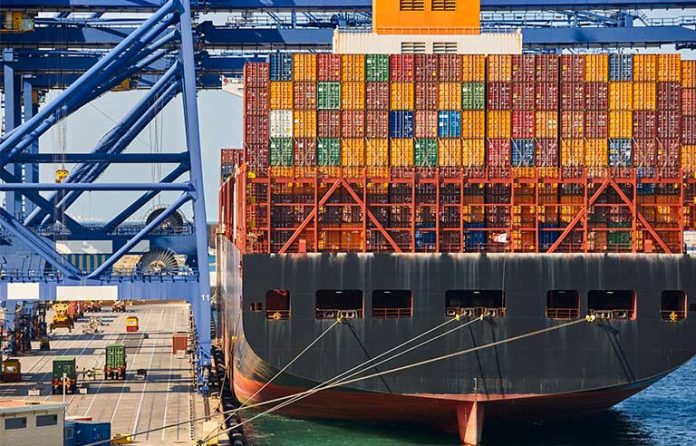
Washington — A new fact sheet from OSHA highlights the hazards longshore workers face when lashing containers and cargo aboard vessels in marine terminals.
Workers in the industry often lift and maneuver heavy gear in tight spaces – which can have low headroom – and work around moving equipment. They also work from elevated locations and deal with poor lighting and adverse weather conditions. Because of this, they risk being struck by and/or crushed by equipment or falling objects; improper handling of gear; and slips, trips and falls.
OSHA emphasizes that employers need to assess working conditions. Under the agency’s standards on marine terminals and longshoring, workers must be provided:
- Safe accessibility and work areas, such as vessels with properly rigged and trimmed gangways; safe traffic control patterns; and clear, dry walking-working surfaces.
- Proper protective equipment and systems, including minimum light intensity of 5 lumens in walking, working and climbing areas; appropriate personal protective equipment for the job; and equipment that’s in good working condition.
- The ability to promptly rescue and retrieve other workers from the water in the event that protective systems fail.
- A heat illness plan that includes acclimatization, medical monitoring, training and resources.
OSHA encourages employers to properly train longshore workers on safe lashing duties that address vessel conditions, work environments and various types of tasks required of the job.

