

Washington – The National Transportation Safety Board has released two safety alerts and a pair of videos cautioning airline pilots and mechanics about the dangers of carbon monoxide emissions.
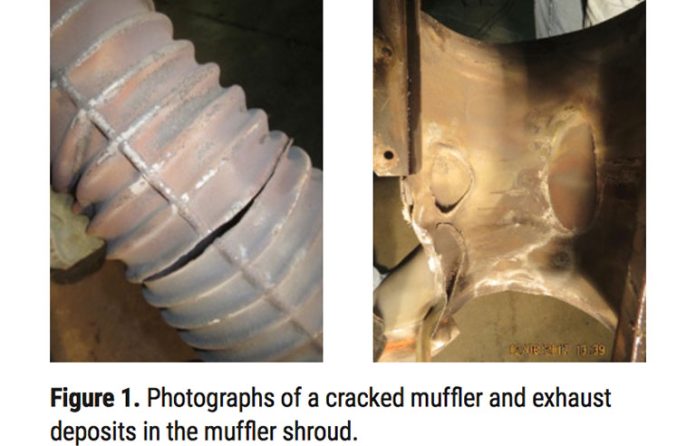
The air in many cockpits and passenger areas in airplanes with internal combustion engines is heated by engine exhaust, meaning leaky or faulty exhaust systems can poison the air with carbon monoxide, NTSB states.
A Sept. 7 post on NTSB’s blog, Safety Compass, detailed an investigator’s experience with a fatal small plane crash caused when the pilot was overcome by the odorless, colorless gas. The alerts provide more examples.
NTSB recommends that pilots and mechanics inspect exhaust systems, air ducting, firewalls, and door and window seals at each 100-hour or annual inspection. In addition, carbon monoxide detectors on instrument panels should be installed, as well as detectors with aural alerts and flash notifications, which are more likely to alert a pilot to a potentially lethal situation.
If a pilot feels the onset of carbon monoxide poisoning – headache, nausea, impaired judgment, disorientation and/or dizziness – he or she should open windows, turn off heat, land as soon as possible and seek medical attention.

