

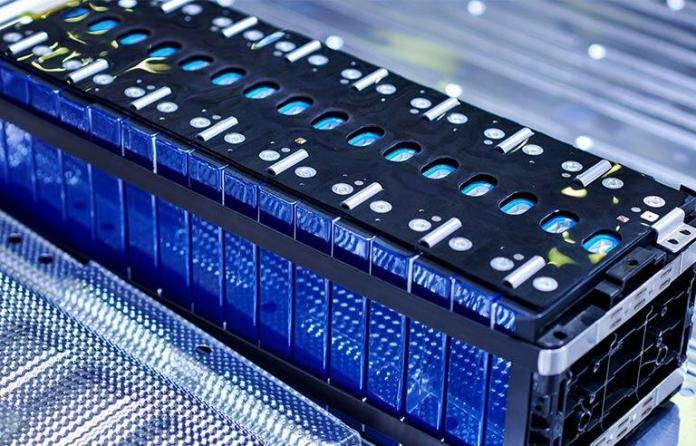
Houston — A new research initiative from the University of Houston and Underwriters Laboratories is set to examine potential toxic emissions from small-scale lithium-ion battery manufacturing.
The study objectives:
- Develop emission sampling methods tailored for small-scale battery manufacturing
- Characterize emissions from battery manufacturing processes with various materials
- Potentially create a data-driven feedback loop that “guides changes in battery formulation”
“The manufacturing of Li-ion batteries could pose emerging health and environmental concerns stemming from emissions of toxic gases, handling of materials and management of process wastes,” a technical brief states. “Specifically, solvents like N-methyl-2-pyrrolidone (NMP), toluene and isobutyl isobutyrate (IBIB), which are used for solid-state battery production, may generate volatile organic compound (VOC) emissions during handling and processing.
“Additionally, fine metal and carbon powders are used in the manufacturing of electrodes and electrolytes, which may contribute to dust, heavy metals and particulate matter (PM) in the air. Exposure to VOCs, PM and metals is associated with various adverse health outcomes, meaning the processes of Li-ion battery manufacturing may present health concerns.”

